
This challenge is set forth by No Story Too Small, and this week’s theme is “King.”
Women of my Culpepper line are traced back to King Charlemagne, so I could have taken the easy way and simply wrote about him, but let’s take a road less traveled, shall we?
My 12th great grandfather was John Culpepper of Wigsell. He had four sons: Thomas, William, John (my 11th great), and Alexander. The eldest son, Thomas, had a couple sons, but none with greater ties to THREE Kings than:
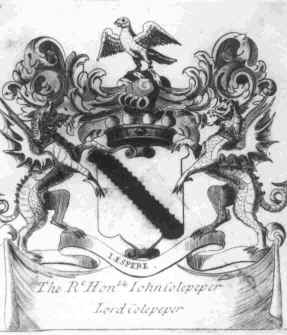
Lord John Culpepper, First Baron of Thoresway
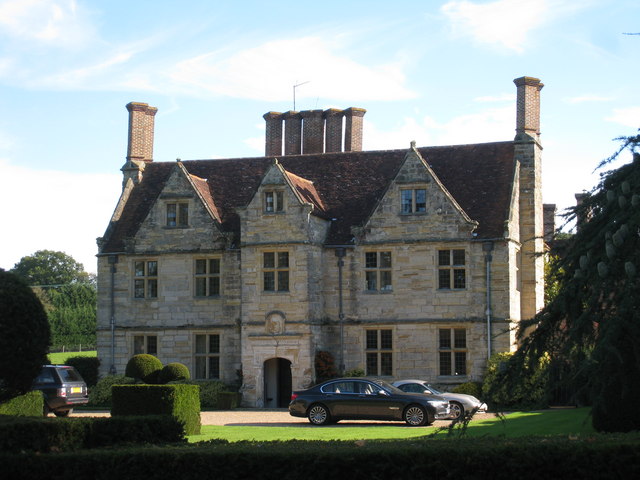 Lord Culpepper was born in 7 Aug 1599 in Wigsell Manor (photo), Sussex, England. His mother died in February of the following year and his father died in 1613 when he was a young lad of 14. He attended Oxford University and graduated in 1616, and then attended Middle Temple law school. In 1621, he was knighted by King James. He sold his inherited Wigsell Manor to an uncle to finance his jaunts around the country. After King James died in 1625 and King Charles I took over, Lord Culpepper finally settled down a bit and married Philipa Snelling in 1628, but the young lady died two years later. He remarried in 1631. This young lady was his distant cousin Judith Culpepper (granddaughter of the uncle who bought Wigsell). They had nine children, many of whom died in infancy.
On January 2, 1642, he was sworn in by the Privy Council and appointed Chancellor of the Exchequer. The following year, he became Master of the Rolls. In 1644, at the onset of the English civil war, King Charles made him a baron.
When the war began, Lord Culpepper was the one who protected the king’s heir (Prince Charles) and took him from England for his own safekeeping. The war ended badly for the monarchy as King Charles was charged with treason and beheaded in 1649. Parliament, under the leadership of Oliver Cromwell, governed the country as the “English Commonwealth” for the next decade.
When Cromwell died, Parliament signed a proclamation that Prince Charles was the rightful king and had been so since his father’s death. They postdated all documents and acted as if the last ten years had never happened. Lord Culpepper had been guarding the prince in France and Denmark all this time and escorted him into London in May of 1660 as King Charles II. For his service, Lord Culpepper received all the prestige and glory he was due, including getting all the Culpepper property back that Parliament had seized at the end of the war and being given a large portion of Virginia in the new world.
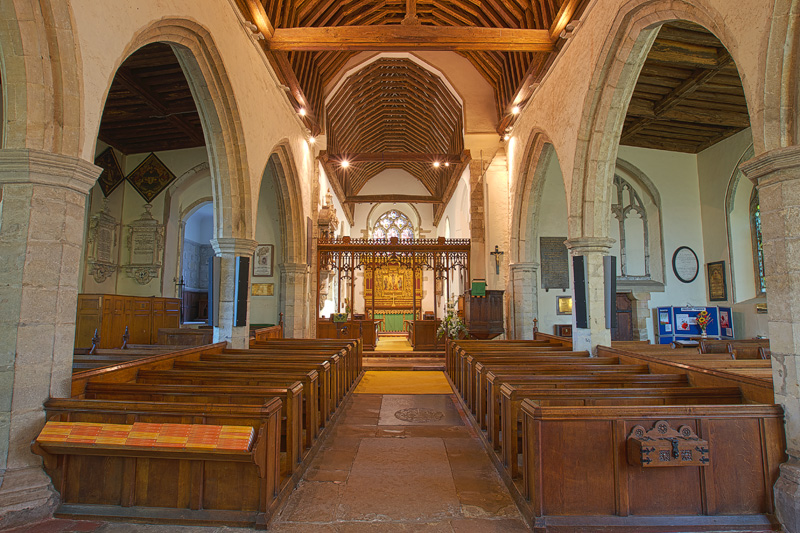 Shortly after putting the king on his rightful throne, Lord John Culpepper died on 11 July 1660. The inscription placed by his children on his tomb in All Saints Church in Hollingbourne reads:
“To the lasting memory of John, Lord Culpeper, Baron of Thoresway, Master of the Rolles and Privy Counsellor to two Kings, Charles the First and Charles the Second. For equal fidelity to the King and Kingdome he was most exemplary. And in an exile of above ten years was a constant attendant and upright Minister to the Prince last mentioned. With him he returned tryumphant into England on the 29th of May 1660; but died the 11th of July next following in the 61st year of his age to the irreparable loss of his family. He commended his soul to God his faithful Creator, and ordered his body here to expect a blessed Resurrection. His Patent of Honour from King Charles the First dated the 21st of October 1644 may serve for his immortal Epitaph.”

 Lori Crane