52 Ancestors # 34 Alma Saterfiel

52ancestors-2015

This challenge is brought forth by No Story Too Small and this week’s challenge is “Non-population.”

Non-population refers to using a schedule that is not a populating-counting survey, such as an agricultural schedule. I’ve searched and searched, but all of the information I possess about my ancestors besides their personal records or land records involves them being counted for something. So… I’ve decided to forego the real meaning and twist the challenge into something I can do. I’ve decided to write about someone who created no population – someone who either never had children or perhaps died young – I’ve opted for Alma Saterfiel.

alma saterfiel

Alma was born to Mary Eudora Culpepper and William Bartley Saterfiel on 28 Jul 1907 in Lauderdale County, Mississippi. (Eudora was my great grandfather’s sister.) Alma was the last child of Eudora and William’s union, following two girls and three boys. She died at the age of four on Valentine’s Day 1912. She is laid to rest at Zion Cemetery in Kemper County, Mississippi with her father and her grandparents.

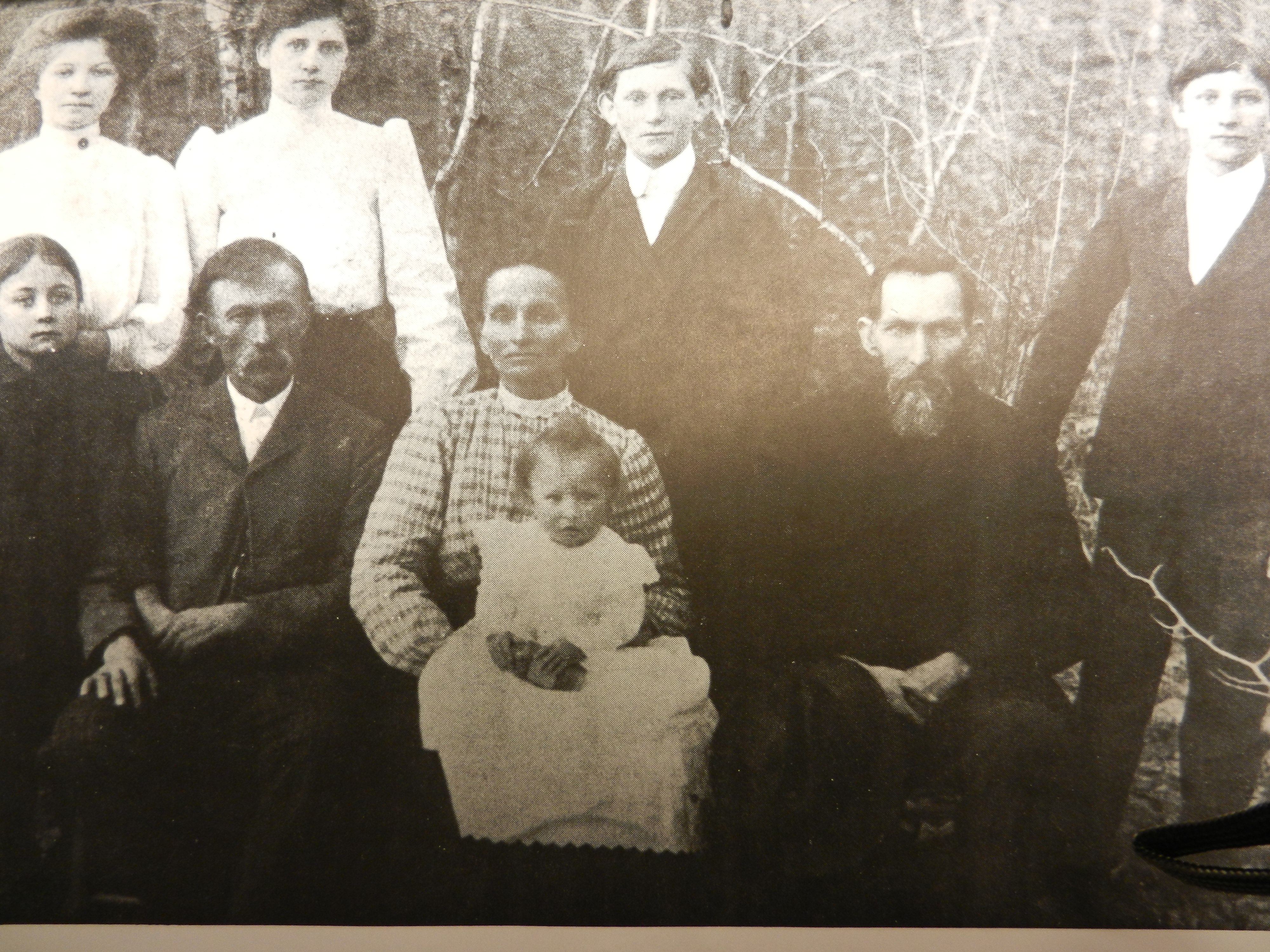
Her family is pictured below in a photograph taken in 1909.

Front row left to right: Dewey Oliver Saterfiel 1901-1968, Will B Saterfiel 1862-1925, Mary Eudora Culpepper Saterfiel 1871-1950, Alma 1907-1912, grandfather Joel B Culpepper 1848-1911.

Back row left to right: Evie Mae Saterfiel 891-1957, Indeola Saterfiel 1893-1956, Willie Carlos Saterfiel 1898-1955, Adie Joseph Saterfiel 1895-1954.

Joel B, Will B and baby Alma are buried at Zion Cemetery, Kemper Co, MS. All others are buried at Pine Grove Cemetery in Lauderdale, MS.

culpepper mary eudora culpepper saterfiel family

Saturday Snippet of Elly Hays

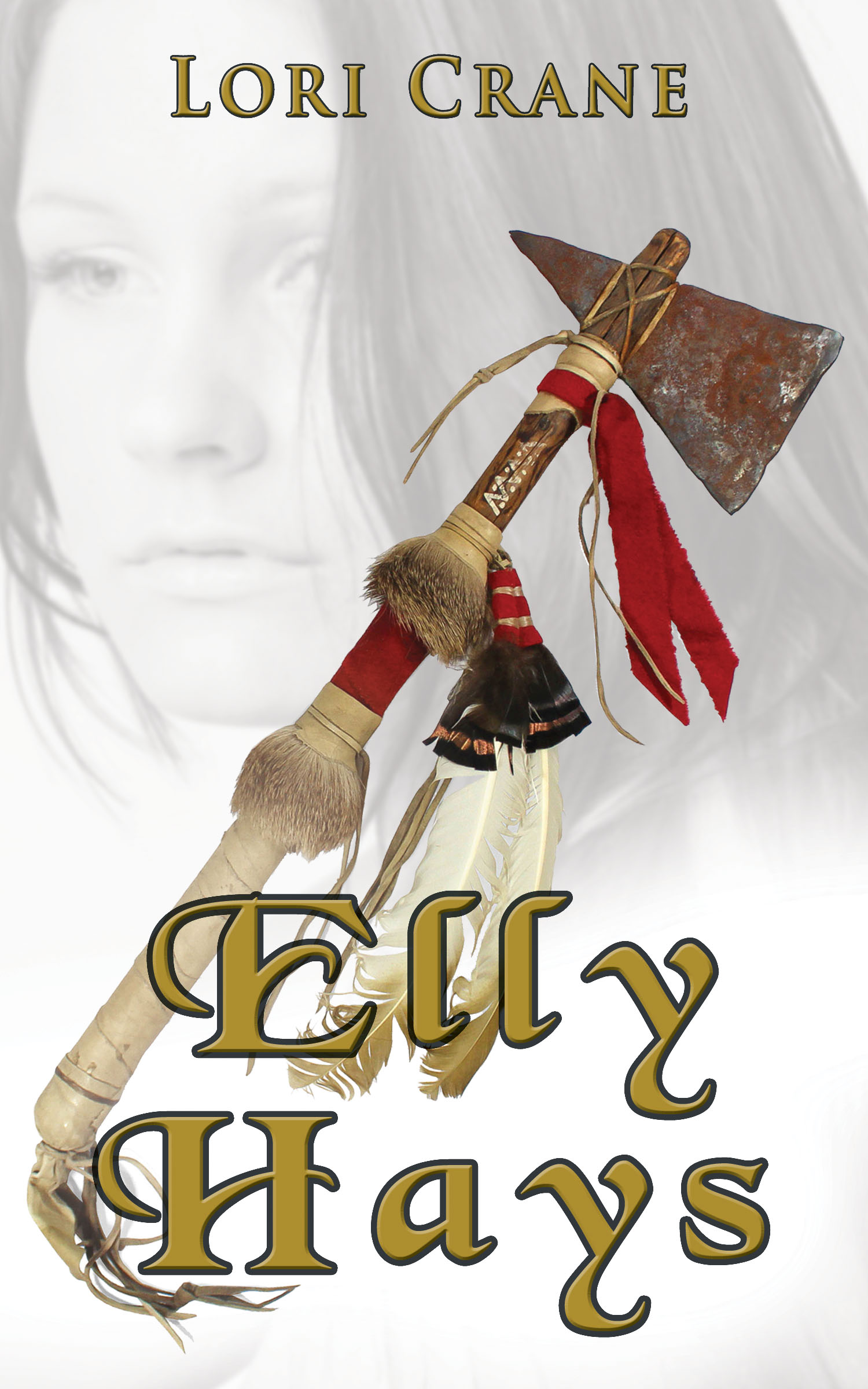
elly cover_webElly Hays is based on real people and real events. She was my 5th great-grandmother, Elizabeth Hays Rodgers. I wrote about her granddaughter in Okatibbee Creek and about her great-granddaughter in An Orphan’s Heart, but I began to wonder where the strength of these women came from, so I backed up in the family tree and found Elly. She lived in the Mississippi Territory, today known as Alabama, in the early 1800s – through a most frightening time when the South was the unsettled frontier and the Creek Indians fought against the Americans for the rights to the land. Not only is this her story, but we also get to see it through the eyes of the Creek warrior, Tafv (pronounced TAH-fuh.)

Elly Hays is told in alternating chapters of Elly’s point of view and Tafv’s point of view, and from the first few chapters, you can sense their will be an epic clash between a warrior with nothing to lose and a young mother on the verge of losing everything.

Below is a snippet of the first meeting between Elly and Tafv’s brother Eto.

*******

She angrily plopped down on a rock and yanked dirty stockings from the basket. She dunked them in the water and began scrubbing them hard enough to put holes in them. She could feel her ears buzzing and her shortness of breath and realized she needed to calm down. She stopped scrubbing, closed her eyes, and took a deep breath through her nose, trying to slow her heart. She concentrated on releasing the tension in her shoulders and the knot in her stomach. She felt guilty for losing her temper with her husband, but frustration was taking over her life. Every day brought new problems—life-and-death problems. Her mounting anger was overriding her fear of the Indians and her love for her husband.

She opened her eyes when she heard him clear his throat behind her, and she turned to apologize for her harsh tone of voice. But when she saw the black eyes looking back at her that did not belong to James, she stopped and gasped. They belonged to an Indian, sitting tall on a brown and white painted horse. She hadn’t heard him approach. She jumped to her feet, wondering where she could run.

The Indian was bare-chested, wearing only tan animal hide pants and moccasins. His hair was short, shaved on the sides and sticking up higher on top. Most of the Indians she had seen had this same haircut. His face was covered with lines of red and black paint, and he wore a headband tied around his head with strips of animal fur hanging on either side of his face. His headband was not adorned with any feathers. This was not the same Indian she had seen before.

He stared at her for a long time and did not move. She glanced across the swift creek to the left and right, but there was nowhere to run. She would never be able to outrun a horse. Her heart beat wildly as beads of sweat broke out on her brow. She remained frozen.

“I came to warn you,” the Indian said in a monotone.

Elly was surprised by his English.

He sat motionless, waiting for her response.

She finally blurted out, “Warn me about what? That you want us to leave? We already got that warning.” She could feel her temper escalating again. All of the tension she had felt the last few months, all of the worry for her children, all of the stress of building a new life, was about to explode in this Indian’s face.

“Yes, I’m here to warn you that you need to leave, but not for the reason you are thinking.” He looked down at the reins in his hands, as if trying to gather his thoughts and find the correct words. “My brother and I were the ones who killed your animals.”

Elly threw a wet stocking on the ground. She hadn’t realized she was still holding it, and it had dripped down her blue linen skirt, causing the front of her dress to become dark in color. “You? You did that? How am I supposed to feed my children?” she raised her voice, her temper becoming stronger than her fear.

“This is the least of your worries. When your husband chased us away, my brother’s boy fell from his horse and snapped his neck.” His eyes carried a tint of sadness. “The boy is dead.”

Elly felt her heart soften for a young boy she didn’t even know. Her anger began to subside, as if it were being washed away by the babbling creek beside her. “I’m…I’m very sorry to hear that,” she stammered, wringing her wet hands together.

“You must understand, my brother is the great warrior of our village. He has vowed revenge on your husband and your family for the death of his son.”

Elly’s eyes widened as the Indian continued.

“He told our Great Chief your husband killed his son, and the Great Chief has given him permission to slaughter your family.”

Elly was shocked by the revelation and quickly shook her head. “No. My…my husband would never kill a boy. He’s never killed anyone, for any reason.”

“Our great warrior does not know this.”

“Please tell him. Tell him my husband didn’t kill his son.” She took a step forward as she begged.

The Indian shook his head and looked at her with compassion. “I cannot tell him anything. I can only warn you. You must leave now…before it’s too late.”

Elly placed her hand over her mouth as tears stung her eyes. Her body began to tremble, and she turned her face toward the creek so the Indian would not see her cry. After a moment, she composed herself, wiped her cheek with the back of her hand, and turned back toward the Indian, but he was gone. She looked left and right through the trees, but it seemed he had simply vanished as quickly as he had appeared.

************

3booksElly Hays is available in paperback and Kindle at Amazon.

Elly Hays received Honorable Mention in the 2013 Great Midwest Book Festival, it was on the short list of “50 self-published books worth reading 2013/14” at Indie Author Land, and the cover was a semi-finalist in the 2014 Authorsdb Book Cover Contest. It is the third book of the Okatibbee Creek Series, following Okatibbee Creek and An Orphan’s Heart.

52 Ancestors – Defective, Dependent, & Delinquent

52ancestors-2015

This challenge is set forth by No Story Too Small and this week’s theme is “Defective, Dependent, & Delinquent.”

According to No Story Too Small:  In 1880, there was a special census schedule for “Defective, Dependent, and Delinquent Classes” — the blind, deaf, paupers, homeless children, prisoners, insane, and idiotic.

I don’t have a direct ancestor listed on this special census (that I’ve found), but I have an aunt, the sister of my great grandmother, who went through quite an ordeal, one that ultimately led to her demise.

ora blanks bates

Ora Alice Blanks was born in 1889 to William Henry Blanks III and Martha Lettie “Mattie” Carpenter. She was the second youngest of six girls. To understand her fragile state, one must understand her parents.

Her father was born in 1846. By the age of thirteen, his mother and father had both died. He served in the Civil War 1861-1865 and after the war, at the age of 21, he married Mattie. Mattie’s childhood was even worse. She was fourteen when her father was killed in the war. Typhoid swept through her family at the same time, killing her baby brother, her maternal grandparents, and a host of aunts, uncles, and cousins. She lost seventeen family members in that year. Yes, you read that right. Seventeen. In one year. I imagine the trauma of losing loved ones at such young ages was hard on both William and Mattie and may have been the bond that united them, but how do you think they functioned as emotionally-damaged parents?

blanks ora blanks shellie bates family 1917Ora and her sisters grew up in Mississippi, and at the young age of sixteen in 1905, Ora married Shelly Houston Bates. A year into the marriage, they had a son. Four years later, another son. And four years after that, a daughter. Two years later in July 1916, they had their fourth child, William Lenard Bates. This is a photo of the family just before disaster struck.

On 29 May 1917, ten-month-old baby William died of enterocolitis, an inflammation of the digestive tract and intestines.

The family moved to Alabama to get a new start because Ora was taking the death so hard. She was seen by a physician. I don’t know what kind of medication was prescribed in 1917, but it may have hastened Ora’s decline. She died 2 Sept 1917, just over three months after her baby, and her death certificate states she died of acute melancholia and convulsions.

Her obituary is as follows:

LAUREL DAILY LEADER September 5, 1917

Death of Mrs. Bates Mourned in Laurel–

The heads of many relatives and friends are bowed in grief at the news of the death of Mrs. Ora Bates of this city. This sad occurrence took place Sunday morning at 8 o’clock, following a nervous breakdown. Three months ago she was taken to Selma, Ala., where all hoped that the change would be of benefit to her. It was in this city that the sad end came, bringing sorrow to her husband, Mr. S. H. Bates, and her three small children, besides a multitude of relatives and friends. The kindness of the Selma Grove of the Woodmen Circle, No. 48, was generously tendered and was appreciated beyond words, Mrs. Bates being a prominent member of the Laurel Grove. Her body was brought to Laurel on Monday afternoon and was met by a devoted delegation of the Laurel Grove of the Woodmen Circle. These ladies accompanied the remains of their much loved member to the Bates home and did all in their power to be of help and comfort at this time when it was so needed. The funeral services followed yesterday afternoon at 4 o’clock, with the interment at the Hickory Grove cemetery. Deepest sympathy is extended especially to Mr. Bates in the loss of his lovely young wife, who was only 26 years of age.

Ora Blanks Bates headstone


Saturday Snippet of An Orphan’s Heart

AOH%20cover_webThe second book in the Okatibbee Creek Series is the tale of one of the orphans lost in the shuffle in Okatibbee Creek, Martha Ellen Rodgers Meek, simply known as Ellen. In An Orphan’s Heart, nine-year-old Ellen’s family has been decimated by the civil war and a typhoid epidemic that swept through the county. She and her siblings are now forced to live with other family members, and Ellen finds herself longing for the love of her mother. She is relocated from Mississippi to Alabama, and upon reaching maturity, she decides to go back to Mississippi. Things are certainly not the same as they were in her childhood. She eventually travels to the great plains of Texas to visit her brothers, and immediately upon her arrival, she meets the man of her dreams and plans for a bright future – but has everything torn from her in a shattering turn of events.

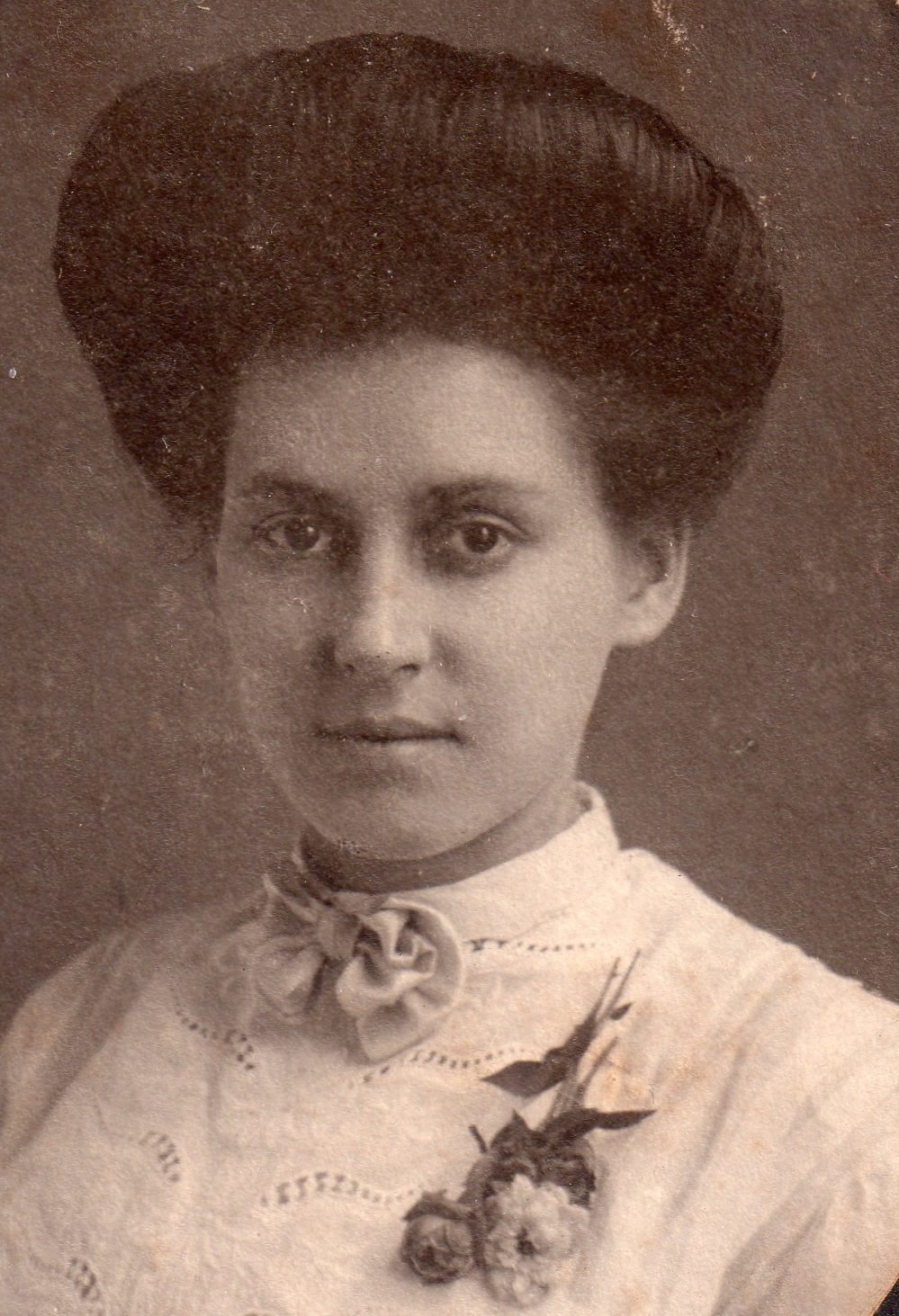
An Orphan’s Heart is based on a true story. The names are real. The events are real. The story is told in first person, present tense. The photo at the bottom of this page is the real Martha Ellen Rodgers Meek, taken sometime around 1880.

Below is a snippet of when Ellen met handsome Sam Meek. The electricity was evident from the first moment.

**************

The inside of the house is as charming as the outside. A blazing fire warms the room, and the air smells of freshly made coffee. Mollie introduces me to their daughters: Minnie, who is five, and Willie Jo, who is two. What cute little girls! Judging by their nightdresses, they were about to go to bed. They both run up and wrap their arms around my neck as I bend down to say hello.

“Aunt Ellen, how long did it take you to get here?” Minnie asks.

“A couple of days. I traveled on three different trains.”

“Did you bring us any presents?” Willie Jo asks.

I laugh. I didn’t even consider doing so, but I pull two pieces of candy from my bag and they’re happy with that.

I’m so wrapped up in the little girls, I don’t even notice him sitting quietly at the table.

“Ellen, I’d like to introduce you to my brother. This is Sam Meek.”

The man rises from the table to greet me, and I’m immediately taken aback by his rugged good looks and warm smile. Our eyes meet and lock. Suddenly I feel as if I’m drowning in a pool of green—the richest green of a mountainside, the darkest green of the deepest water. Everyone and everything else disappears.

He offers me his hand as I rise from the floor. “It’s very nice to meet you.”

“And you, sir.” I take his hand and feel electricity flow through every vein in my body. I pull my hand away, and just as quickly regret the action. I wish to feel that sensation again, but there is no way to touch him again now. I glance down and admire his tan forearm, half covered by his rolled-up sleeve. “I am very sorry about the loss of your mother,” I offer as I try to compose myself.

He doesn’t respond for a moment, and stares deeply into my eyes. “Thank you. It’s very sad for all of us.” He doesn’t pull his eyes away.

Mollie brings some coffee to the table, breaking the spell Sam Meek has created, and she motions for us to have a seat.

“Would you like something to eat?” she asks.

“No, thank you.” I shake my head, finding it hard to look away from the exquisite creature in front of me.

“Sam?”

“No, I’m fine, but thank you,” he says, not breaking our gaze. “I’ll have to get to sleep in a little bit. I’m exhausted.”

I sink into the chair but have no idea if I’m actually sitting. The thought of him leaving the room is disheartening, and I’m surprised a man I just met is having this kind of effect on me.

“So, how was your trip?” He turns toward his coffee cup as Mollie fills it.

“It was amazing. When I was younger, I traveled through a small town in Alabama that had a train station. I was so enchanted by the women in their fancy hats coming and going, I vowed to myself I would someday travel on a train to a distant place.” I smile. “And here I am.”

“Sounds nice.” He takes a sip of his coffee, watching me over the brim of his steaming cup. His voice sounds like silk.

I watch the way he sips. I watch his strong, callused hands place the cup back down on the table. I watch his tongue lick a stray drop from his lips. I watch his tanned throat as he swallows.

“Did you sleep on the train or did you stop somewhere?”

“I spent the night in Mobile and New Orleans, but the rest of the trip was on a sleeper train that had bunks. The rocking motion of the train was actually very soothing.” I sip the strong, bitter coffee, then glance at him as I place the cup back on the table.

“Well, I’m glad you had a good journey.” He stands. “I’m sorry to interrupt our coffee and conversation, but I really need to get some sleep. I can hardly keep my eyes open. It’s going to be a long day tomorrow with the funeral and all.” He grabs his hat from the side table. “Relatives have been coming into town all day.” He nods to me. “It was a pleasure to meet you, ma’am. I’d love to speak with you more about your journey, and I’ll see you again tomorrow.”

“Nice to meet you, too, Mr. Meek.” His movements are like a stallion running through a field, like an eagle catching its prey, like a…

“Please, call me Sam.” He grins, showing the slightest dimple under his dark stubble. His eyes sparkle in the firelight.

I nod and smile. I can’t stop staring at him.

He bids a good evening to Mollie and Willie, and just as instantly as he appeared, he is gone.

My heart is pounding in my ears. My palms are sweating. I can’t seem to catch my breath. I wish I could follow him. I look down at my coffee cup and shake my head. When I look up, Mollie and Willie are both staring at me, and I blush.

************

James daughter Martha Ellen Rodgers MeekAn Orphan’s Heart is available in paperback and Kindle at Amazon.

An Orphan’s Heart was a finalist in the 2014 Eric Hoffer Awards. The cover was also named a top-ten finalist in the 2013 Authorsdb Book Cover Contest. It was also awarded a Five-Star Review at Readers’ Favorite. It is the second book in the Okatibbee Creek Series. The first book is Okatibbee Creek. The third is Elly Hays.

52 Ancestors #32 – 32

52ancestors-2015

This challenge is set forth by No Story Too Small and this week’s theme is “32.”

For those of you don’t do genealogy, you have 2 parents, 4 grandparents, 8 great grandparents, 16 2nd great-grandparents, and 32 3rd great-grandparents. The family tree grows exponentially.

This generation of 32 people in my past have been on my mind a lot lately due to the feeding frenzy of liberals trying to erase the history of the Confederacy. Personally, I don’t have a problem with the Confederate flag, but I understand that hate groups have adopted it and it may no longer represent the South throughout the rest of the United States. Perhaps it is time for a discussion about where it should and should not be flown.

I do, however, have a problem with the hatred that these history-erasing people, including some of my very own friends, are spewing and the way vandals are destroying flags, graves, statues, and monuments. You’ll see why in a moment. I’ve decided to not write about only one of my 32 grandmas and grandpas, but all of them.

Jeremiah William Crane, born 1828 Alabama

Sarah Frances Grimes, born 1824 Alabama

Amos Windham Mercer, born 1799 South Carolina

Amanda Merron, born 1829 Florida

Archibald White, born 1808 North Carolina

Elizabeth B Farrish, born 1824 Alabama

Leonard H Morrow, born 1812 Tennessee

Silvia Truss, born 1814 North Carolina

Robert Theodore Pickett, born 1836 Mississippi

Lucy Ann Rackley, born 1834 Alabama

William Thomas Fisher, born 1819 Alabama*

Elizabeth Ann Butler, born 1834 North Carolina

Green Keene, born 1834 South Carolina

Sarah Tabitha unknown, born 1833 Alabama

William Lafayette Brown, born 1836 Mississippi*

Sarah Ann Elvira Dollar, born 1836 Alabama

Rev. Joseph M. Culpepper, born 1822 Georgia**

Nancy Yarbrough, born 1822 Georgia

William Henry Blanks II, born 1800 Georgia

Nancy Narcissus Young, born 1800 North Carolina

Rice Benjamin Carpenter, born 1828 Alabama**

Mary Ann Rodgers, born 1828 Mississippi

George Washington Spencer, born 1829 Alabama*

Nancy Virginia “Ginny” Holdcroft, born 1839 Mississippi

James C Howington, born 1823 North Carolina*

Amelia Ann Elizabeth Smith, born 1827 Alabama

Of the six missing names; two were in Dublin, Ireland, their son (my 2nd great) arrived on the shores of Florida in 1861; two were Choctaw Indians in the Choctaw Territory of Mississippi but I don’t know their names; and the final two are unaccounted for as I have not been able to trace them, but their daughter (my 2nd great), was born in Alabama in 1848, so they certainly lived in the South.

Notice anything?? Yes, 26 (28 if you count the Choctaws, 30 if you count the folks living in Alabama) of my 32 3rd great-grandparents were born in the Confederate States, and EVERY ONE of my 16 2nd greats lived there also. From the records I have: six of the men above fought with the Confederacy (noted by *) – two died in battle (noted by **). Three of my 2nd greats (sons of the above) fought with the Confederacy, not to mention the countless brothers and other sons who served and sometimes died. Mary Ann Rodgers named above lost three brothers, three brothers-in-law, and her husband.

Off the top of my head, eight to ten of these families were in America during the Revolution, fighting for freedom – the freedom to say and do as you please. You have the freedom to be “offended” by the Confederate flag. It was given to you by MY ancestors who have been struggling since the 1600s to build a great country, even before it was a country.

Here’s where I have a problem. You don’t have the freedom nor the “right” to desecrate Confederate graves, statues, monuments, Confederate cemeteries, or the flags within their boundaries, and you certainly don’t have the freedom to take away my heritage. You will never accomplish that. You will never change how I feel about the men who fought in the Confederate Army. They are AMERICAN soldiers. They will always have my deepest respect for being willing to die for what they believed in, whether you agree with their cause or not. My heritage will not be erased. It will not disappear. Do you want to know why? Because I will fight to keep it alive in my family, my community, my descendants, and my heart. I will fight with the same veracity shown by my grandparents when they fought for their freedom. After all, their blood runs in my veins, too.

7872_561759593863541_1656188250_n


Saturday Snippet of Okatibbee Creek

okatibbee creek cover front JPEGOkatibbee Creek is the story of Mary Ann Rodgers Carpenter Jolly and her trials and tribulations in Mississippi during the Civil War. As her brothers and husband went off to war, a devastating typhoid epidemic swept through the county and decimated what was left of her family. Following the loss of so many loved ones, including both parents, she took in her orphaned nieces and nephews and focused on survival. When the war finally ended, she had to pick up the pieces of her shattered life and begin anew. But how?

Okatibbee Creek is a real place. The characters are real. The events are real. The book will leave you crying and cheering. It is written in first person, present tense, diary-style, allowing you to see inside of Mary Ann’s heart and experience every emotion she felt.

The following is a snippet of the scene when Mary Ann received word that her husband had been killed in the war.

**********

When I reach the bottom of the stairs, I see him. I do not recognize his face, but I recognize his clothing. He is a Confederate soldier. He is standing in the open doorway of the store with the gray, cloudy sky at his back. He is dressed in a wrinkled gray uniform with a dirty yellow cummerbund. His trousers have holes in them, with mud caked around the bottoms of his pant legs. His jacket is missing some buttons, and he looks quite thin and weary. He is wearing shoes that are covered in red Mississippi mud and probably have no soles on the bottom. He is holding his tattered hat and a piece of paper in his dirty hands.

“Hello, sir, what can I do for you?” I ask as I approach.

“Hello, ma’am.” He nods. “Are you Mrs. Carpenter?”

“Yes, I am. And who are you, may I ask?”

“Private Joseph Brown, ma’am. Captain asked me to deliver the latest casualty list to you in person.” He holds the folded piece of paper toward me and looks down at the floor, like a child in trouble for doing something wrong.

“Why are you delivering this? It usually comes by a mail carrier,” I ask as I reach for the paper. I look at the boy’s face. He nervously avoids my eyes and keeps staring at the floor.

“Why are you delivering this to me?” I repeat.

“I promised I would. I’m sorry, ma’am. Goodbye, ma’am,” he murmurs, and backs out the open door.

I look at the piece of paper in my hand for a long time, wondering if I can open it. I don’t know whose names are on this paper, but I suspect the worst, and I don’t want to read it. My eyes sting with tears as I dread a simple piece of paper. I try to unfold it, but my hands are shaking, so I stop and hold it to my chest. I take a deep breath.

Martha Jane stands behind me, not saying a word or making a sound.

“Martha Jane, will you please go upstairs and mind the children for a few minutes?” I ask her.

She nods and quietly heads up the stairs.

I walk outside across the wooden porch and down the two stone steps onto the ground. I walk across the dirt road that is now filled with puddles of red mud from the rain. I keep walking straight ahead. I walk into the overgrown field across the road. I walk with purpose, with determination, like I have somewhere important to go. I want to run. I want to run away and never come back. I keep walking.

In the middle of the field, the thunder sounds above my head. I stop and look up at the ominous clouds that are almost as threatening as the piece of paper I hold in my hand. My hands are shaking as I slowly unfold it and smooth it open. My stomach feels like it has a hole in it. My eyes fill with tears. My hands are now trembling so violently, I almost can’t read it. The name at the top is the only name I see.

“Carpenter, Rice Benjamin: killed in battle 31 December, 41st Mississippi Infantry, Co C.”

Drops of water fall onto the page, but I can’t tell if they are raindrops or teardrops. Even God Himself is crying.

*********

Rodgers, Mary Ann Rodgers Carpenter JollyOkatibbee Creek is available in paperback, Kindle, and audiobook at Amazon. CLICK HERE. It is the first of three Okatibbee Creek Series books, but they are stand-alone stories. The second is An Orphan’s Heart. The third is Elly Hays.

Okatibbee Creek was the bronze medal winner of the 2013 eLit Book Awards in literary fiction. It also received honorable mention in the 2013 Great Midwest Book Festival for regional fiction and was a nominee in the 2013 Global eBook Awards for historical fiction. It was also awarded Five-Stars at Readers’ Favorite.

52 Ancestors – 31 Culpepper Line

52ancestors-2015

This challenge has been set forth by No Story Too Small and this week’s theme is “Easy.”

Well, “easy” is easy!

I became interested in genealogy as a teenager when I found my mother’s family had been traced all the way back to John Culpepper, born 1140 in Kent, England. Since the Culpepper men were traced, it was a lot of fun to branch off into wives and siblings and cousins, and I eventually traced one of the Culpepper wives back to King Charlemagne. I’ve been hooked ever since!

Let’s see if I can put together a quick synopsis of the Culpepper men in a countdown to me.

26. John Culpepper 1140 Kent – ?

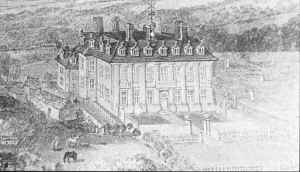
3d75316f-cd6a-4886-863b-652ad38e658925. Sir Thomas the Recognitor Culpepper 1170 Kent – Sussex His home was Bayhall Manor (photo). He was the recognitores magnae assise during the reign of King John.

24. John Spencer Culpepper, Esquire 1200 Bayhall – 1230 London

23. Sir Thomas of Brenchly and Bayhall Culpepper 1230 Kent – 1309 London

22. Sir Thomas of Bayhall in Pembury Culpepper 1260 – 1321 Sussex

21. Sir John of Hardreshull and Bayhall Culpepper 1305 Kent – 1370 Kent Sheriff during the reign of King Richard II

wigsell20. Sir Thomas of Bayhall, Hardreshull, and Exton Culpepper 1356 Warwickshire – 1428 Kent Given the home of Great Wigsell (photo) as a wedding gift from his father. (He is also an ancestor of my husbands – ugh – see the blog linked to Sir Thomas’s name.)

19. Walter of Goudhurst, Hardreshull, and Bayhall Culpepper 1398 Kent – 24 Nov 1462 Kent

18. Sir John Culpepper 1430 Kent – 22 Dec 1480 Kent

17. Walter Culpepper 1465 Kent – 1514 Sussex

16. William Culpepper 1509 Kent – 6 Dec 1559 Sussex

15. John Culpepper of Wigsell 1530 Sussex – 20 Oct 1612 Sussex

14. John Culpepper of Astwood 1565 Sussex – 20 Dec 1635 Kent

13. John Culpepper the Merchant 20 Oct 1606 Kent – ? Probably died in the Virginia Colony Subject of my Culpepper Saga book series.

12. Henry Culpepper 1630 Kent – 1675 Norfolk, Virginia

11. Robert Culpepper 1664 Virginia – 1742 Virginia

10. Joseph B Culpepper 1698 Virginia – 22 May 1745 Edgecombe, North Carolina

9. Joseph Culpepper Jr 1731 NC – 1822 Morgan, Georgia Revolutionary War soldier serving in Georgia.

8. Joseph Culpepper III 1765 NC – 5 May 1816 Jackson Co, Georgia Revolutionary War soldier, 3rd SC regiment.

7. Simon Culpepper 1794 Franklin, Georgia – 28 Apr 1851 Lauderdale Co, Mississippi

6. Rev. Joseph M Culpepper 1822 Jackson Co, Georgia – 15 Aug 1862 Columbus, Mississippi Baptist minister who served in the civil war but is said to have died in the pulpit while preaching.

culpepper Joel B Culpepper5. Joel Bluett Culpepper (photo) Jan 1845 Mississippi – 11 Jan 1911 Jefferson Davis Home for Confederate Soldiers in Biloxi, Mississippi. Joel served in the civil war Co. K 63rd Alabama infantry. He was captured and held at Fort Massachusetts on Ship Island until the end of the war. Under his rights as a Confederate veteran, he spent the last ten months of his life at Beauvoir.


culpepper Sam Culpepper4. William Samuel Culpepper (photo) 8 Jun 1873 Alabama – 10 Dec 1939 Mississippi Sam was a sawyer and followed the sawmill business, being away from home for months at a time. He loved music and was a strict but loving father.


3. Earl Wilmar Culpepper 24 Dec 1914 Mississippi – 5 Mar 1994 Mississippi Earl worked at Burnley Shirt Factory in Meridian, MS and loved music. He could play any instrument he picked up. He died of pneumonia following a stroke at the age of 79.

2. Linda Faye Culpepper 25 Aug 1944 Mississippi – 12 Jul 2001 Michigan Linda was a cardiac nurse. She died of internal injuries after falling from the balcony of her home.

1. Me!


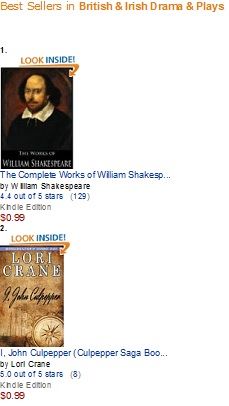
#2 Behind William Freakin’ Shakespeare!

My book I, JOHN CULPEPPER is sitting at #2 behind William Shakespeare…YES, THE William Shakespeare. If for some crazy reason I pass him, I will consider it my best. day. ever. 🙂  Pick it up HERE for $0.99 and make it happen!

Untitled

Release Day for John Culpepper, Esquire!!

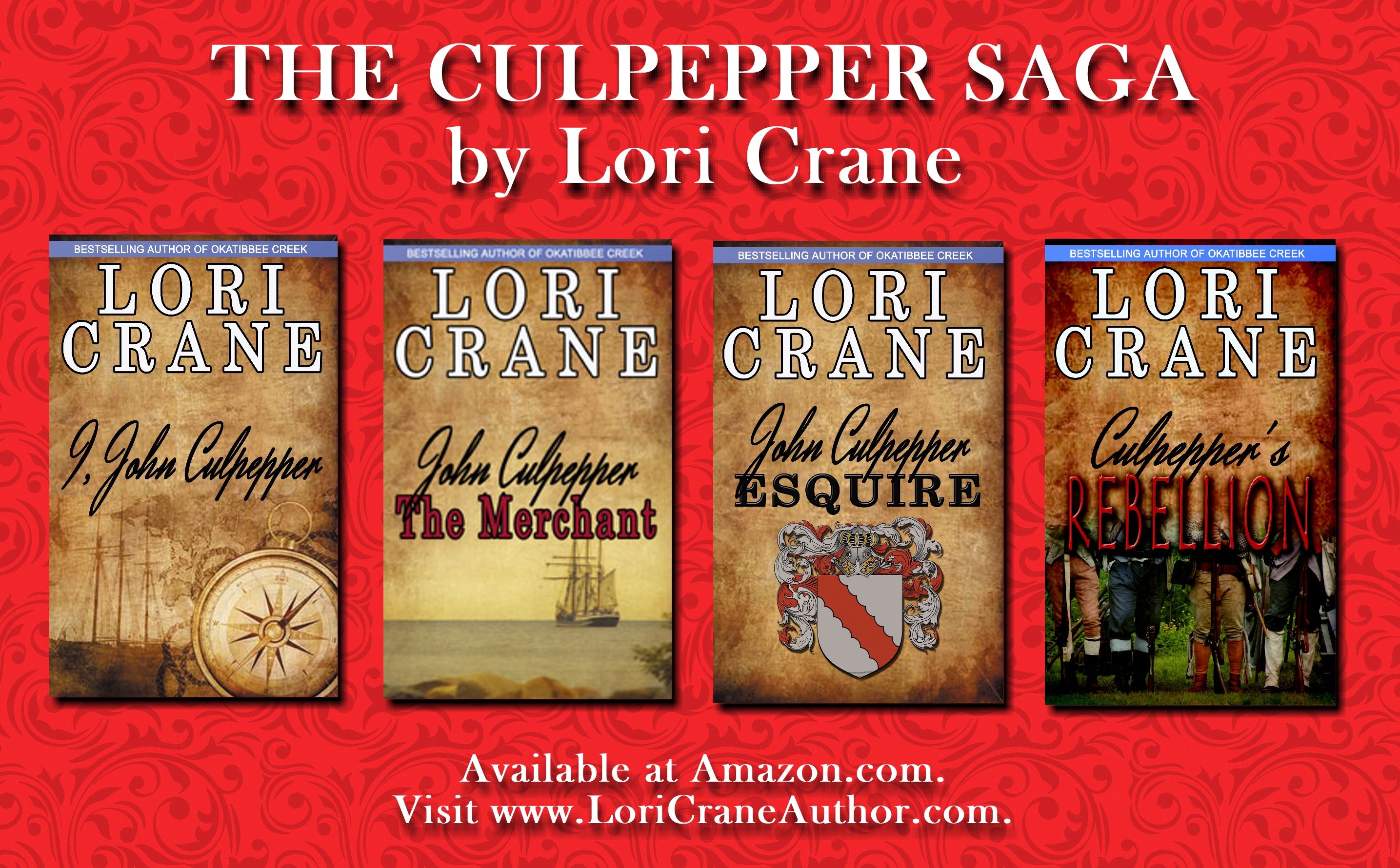
JC Esquire (1)Today is the release day for my new book, John Culpepper, Esquire!  It is the third in the Culpepper Saga, but is also a stand-alone story. The saga is the life story of the progenitor of the modern-day American Culpeppers and my 10th great-grandfather.

The first book, I, John Culpepper, (on sale for $0.99 through 7/28) tells the story of John’s childhood in England, growing up with a wretched father whom he didn’t see eye to eye with. John always wanted to sail a ship but his father demanded he go to law school or face being disowned.

The second book, John Culpepper the Merchant, continues the tale as John tries to run his merchant business and raise his family while his homeland descends into a bloody and deadly civil war. By the end of the war, John’s ship is the only rescue for his family, now considered traitors.

In this third book, John finally gets his family to safety in Virginia, but their new start isn’t all it’s cracked up to be. Here’s the synopsis:

**********

John Culpepper was a prominent figure in colonial Virginia, a merchant in Jamestown for two decades and a resident since the disastrous civil war that shook England to its core. The Culpepper family, decimated by the war, had known great defeat, but none as heartbreaking as the tragic event that abruptly left John in the position of family patriarch.

He struggled with this newly acquired role, marrying off his nieces to eligible colonialists, sending some of the boys back to England, purchasing a ship for his sons against their mother’s wishes.

Upon the collapse of the English Commonwealth, members of John’s family escorted the exiled prince back to London to be crowned as King Charles II. Would the Culpepper family finally reclaim the power and prestige it had once possessed? And how would John hold his family together on two continents?

**********

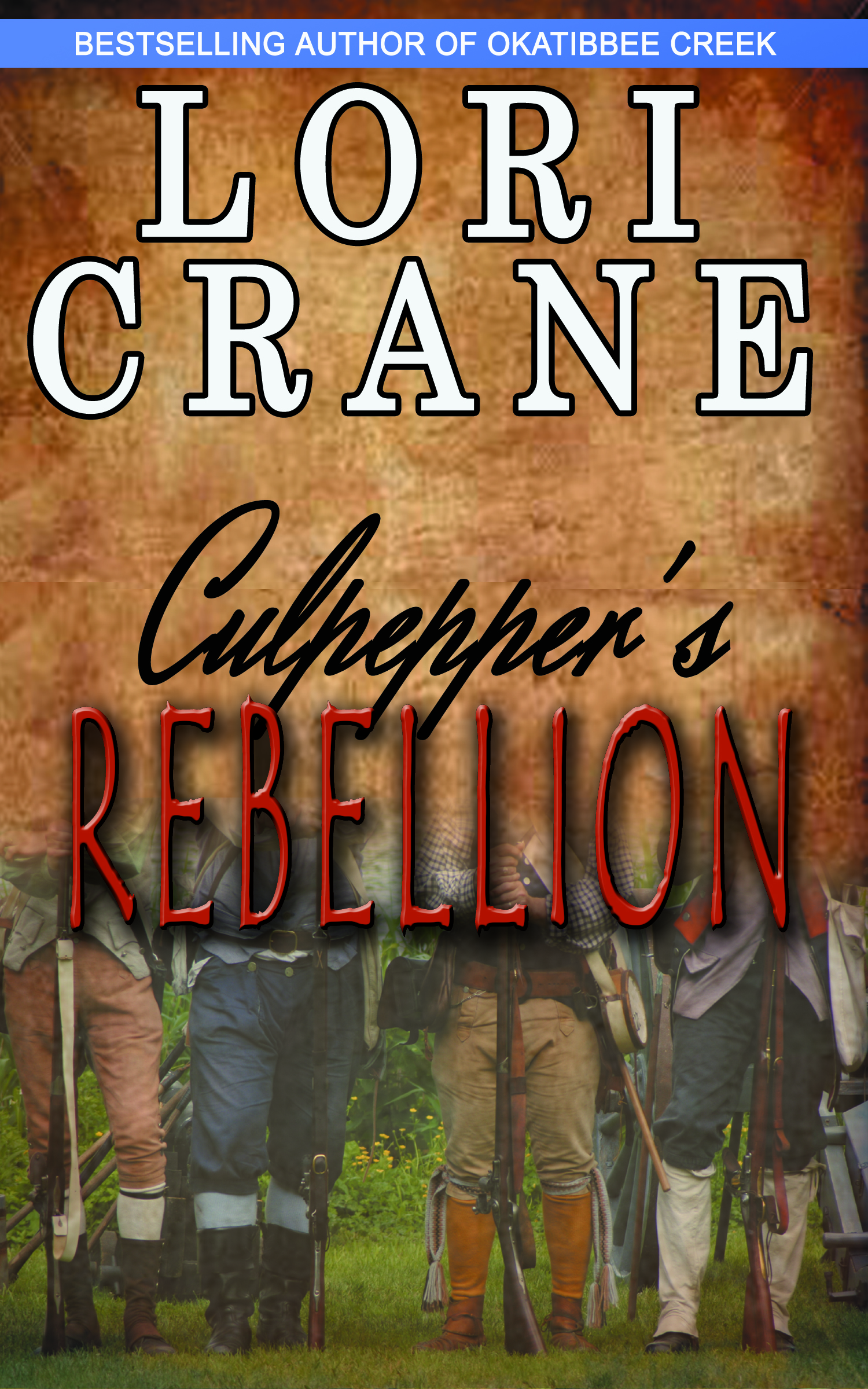
The fourth book in the series, Culpepper’s Rebellion, will take John down a horrible and desperate road, where the law training he despised so much in his youth becomes the only thing standing between his youngest son’s life and death. It will be released in late October 2015.

There will also be a subsequent Culpepper book that is not part of the saga, but will refer back to the characters. The Culpepper-Fairfax Scandal will be released in early 2016.

The Merchant ebookLadyCatherineJC Esquire (1)

culpepper saga-001Thomas_Fairfax 5th baron of cameron, catherine culpeppers husbandCulpepper4Culpepper_1

52 Ancestors #23 Florence J Smith Howington

52ancestors-2015

This challenge is set forth by No Story Too Small and this week’s theme is “Challenging.”

john thomas howington florence j smith marriage recordThe most challenging ancestor for me to trace is not only challenging and frustrating, but darned near impossible.

Florence J Smith Howington was my 2nd great-grandmother. The only thing I know for sure is she married John Thomas Howington in Newton County, Mississippi on 1 Aug 1892. The marriage record (photo, click to enlarge) says she was sixteen years old, making her birth around 1876, although the 1900 U.S. census says she’s white and 28. The 1910 census says she’s 36. Her husband was married previously in 1880 to Ellen Raynor who died in 1891. There is no record of any children. Once John and Florence married, they had eight children between 1893 and 1910, the eldest being my great grandmother Mary Elizabeth Howington.

howington, john thomasJohn Thomas Howington died in 1913 and Florence never remarried. She died at the age of 93 in 1969. There is a blank spot in the Pine Grove Cemetery in Collinsville, Mississippi next to John’s headstone (photo). If Florence is buried there, she has no marker.

The frustrating thing about tracing her is that I was always told I had a grandmother who was of Choctaw Indian descent, and if that’s true, she has to be the one. The Choctaw were run out of Mississippi at the signing of the Treaty of Dancing Rabbit Creek in the 1830s. They migrated to Oklahoma. The ones who stayed changed their names to assimilate into the white European culture. Of course, there would be no prior record of them, and seeing as they probably couldn’t read or write English, there wouldn’t be a record of their name change.

There are a lot of Smiths listed in the Choctaw registries in Mississippi from 1847-1933, but I haven’t been able to trace Florence without knowing at least one of her parent’s names. There are also census records of Choctaw families residing east of the Mississippi River and in the states of Mississippi, Louisiana, and Alabama. One such record is a census called the “Cooper Roll,” made by Douglas H. Cooper, US Agent for Choctaws, in conformity with the order of  the Commissioner of Indian Affairs dated 23 May 1855.

The following is part of the Cooper Roll naming the Chunkee Clan (Chunky is the town in Newton County, Mississippi where Florence lived.) Obviously the names were spelled phonetically. I have no clue which one, if any, could be Florence’s family, but seeing that the list was made twenty years before her birth, I wonder if one of the names is her grandfather.

Alsh-fra-sa-hubbee (?)
On-tah-cha
A-no-la-honnah
Nok-ne-to-nubbee
Me-ha-tut-tubbee
File-ka-tubbee
Hit h-la-ho-ka
Oka-fa-mah
Lal-a-tubbee
In-co-chubbee
Tak-lam-bee (or Tok-lam-bee)
Me-lo-tubbee
Ho-tubbee
Lou-a-chubbee
I-ath-le-fiah
Anah-chi-hat-tah Co-chin-tubbee
Mok-ah-ho-ka
Ston-a-chubbee
Me-hah-tubbee
Co-mo-tubbee
Con-chi-ho-ka
File-kah-tubbee
Tub-bish
Me-asho-cubbee
Ish-tah-ah-ho-nah
Ho-ti-lubbee
Eah-hoka-tubbe e
Co-chubbee
Pa-la-tubbee
Emah note:..and off hunting about 20 families; and about the same number living near Harrisons who refused to give their names.