52 Ancestors #21 Sharpshooters and Soldiers

52ancestors-2015

This challenge is set forth by No Story Too Small,

and this week’s challenge is “Military.”

images

I can’t only honor one of my ancestors. I need to honor all of them.

My grandfathers who served in the United States military

An * denotes he died in service.

Joel Bluett Culpepper – Confederate Army

William Thomas Fisher – Confederate Army

William Lafayette Brown Jr – Confederate Army

Rev. Joseph M Culpepper – Confederate Army *

Rice Benjamin Carpenter – Confederate Army *

George Washington Spencer – Confederate Army

James C Howington – Confederate Army

William Henry Blanks III – Confederate Army

Hays Rodgers – War of 1812

William Henry Blanks I – American Revolution

Joseph Culpepper Jr – American Revolution

Thomas Young – American Revolution

John B Rice – American Revolution

James Rodgers Sr – American Revolution

Captain Jacob Prickett – American Revolution

My uncles who served in the United States military

George M Graham – Confederate Army

Timothy Rodgers – Confederate Army *

Wilson Rodgers – Confederate Army *

Hays Rodgers Jr – Confederate Army

John W Rodgers – Confederate Army *

Howell Joel “Hobby” Wedgeworth – Confederate Army

Benjamin M Culpepper – Confederate Army

Hilliard Carpenter – Confederate Army *

James Monroe Chatham – Confederate Army *

Rev. James Lafayette Blanks – Confederate Army

Richard Lane Blanks – Confederate Army

John Henry Brown – Confederate Army

Absolom Rodgers – War of 1812

…and so very many more. Sleep well, soldiers. Your job is done.

New Release! “John Culpepper the Merchant”

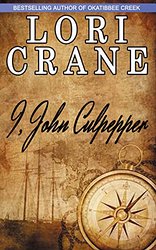
51hHerBrPbL._UY250_If you’ve been following along, I’ve been writing a four-book series on 17th century John Culpepper who was my 10th great-grandfather. He was born in 1606 in Kent, England and was trained as a lawyer in his youth, but his greatest desire was to command a ship. Against his father’s wishes, when he was in his twenties, he purchased a ship, and his father never spoke to him again. His childhood story is told in the first book of the series, “I, John Culpepper.”

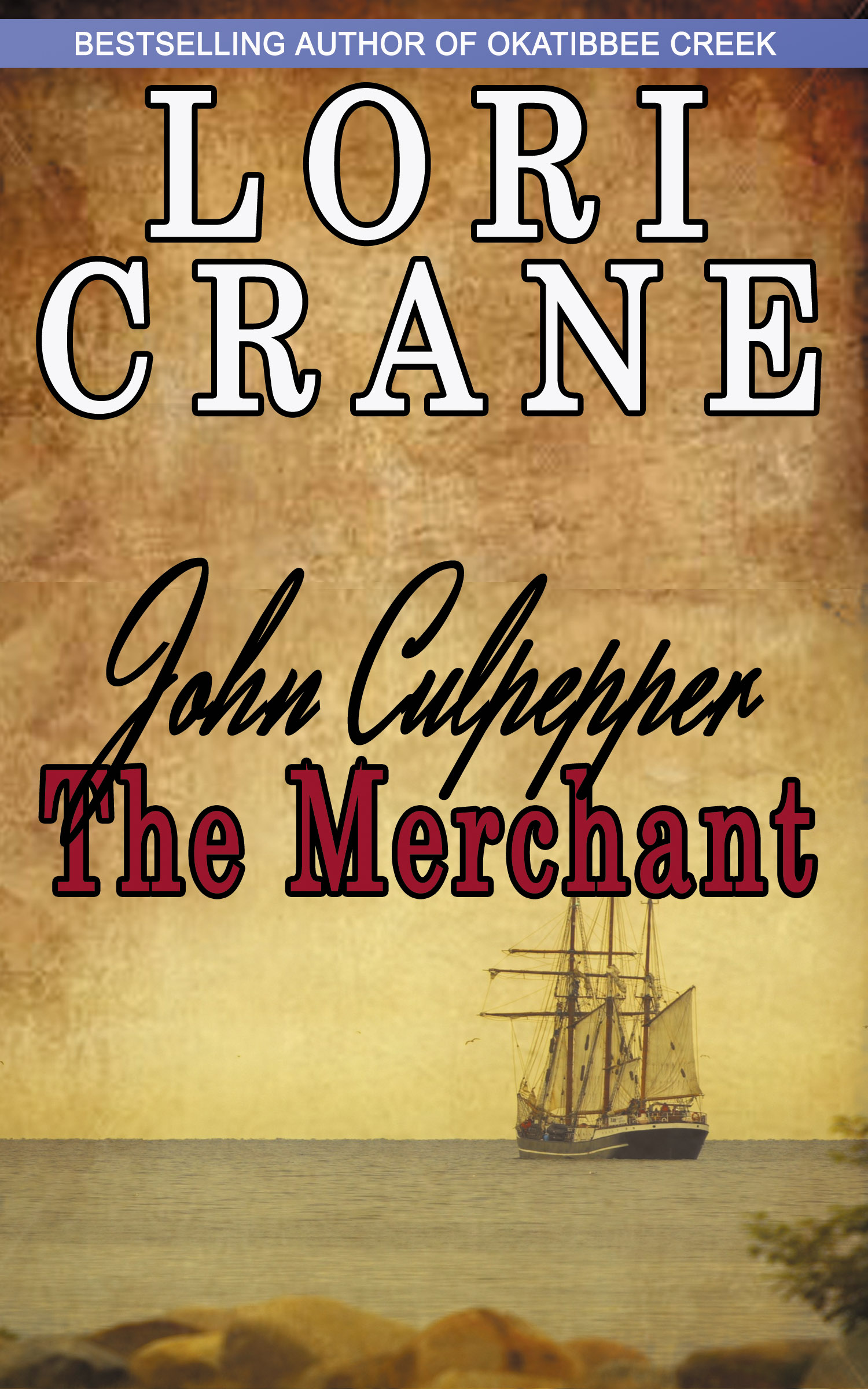
The Merchant ebookMy new release, the second book “John Culpepper the Merchant,” begins in 1642 and follows John to the colony of Virginia, but it more-or-less leaves him there as England finds itself in an uproar. The King had been angering his citizens with his religious antics since he took the throne in 1625, and the citizens had had enough. Parliament began fighting back and effectively split the country in two – the parliamentarians vs. the royalists. As civil war raged on, John returned over and over, but by the time he reached his wife and family, the fighting had usually died down. By the time he returned to Virginia, it had started back up again.

While everyone hoped the bloodshed would soon end, the members of Parliament, namely Oliver Cromwell, had other plans. He wanted to take over the country, he wanted the king dead, he would stop at nothing. After the king’s surrender, kidnapping, trial, and ultimately, his execution, the royalists found themselves at the mercy of Cromwell, and John had only one choice. He had to return to England under the cloak of darkness and rescue his family from certain death. It’s a good thing he had a ship and didn’t listen to his father.

“John Culpepper the Merchant” is available in Kindle and paperback at Amazon.

The third book in the series, “John Culpepper, Esquire,” will be released July 2015.

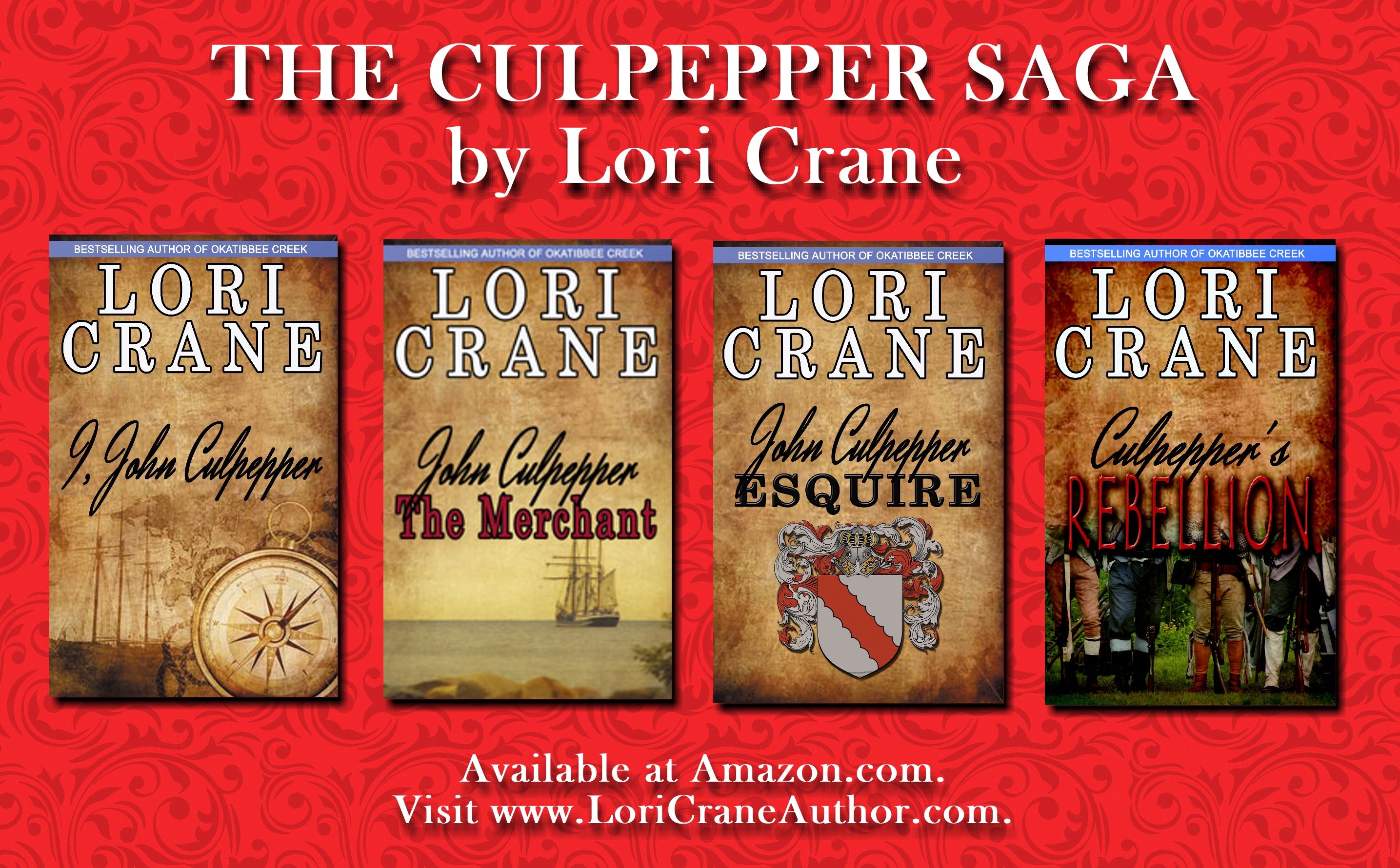
For pictures, paintings, and documents of the people and places in the series, visit the Culpepper Saga Facebook page.

culpepper saga-001

It’s Monday! What are you reading? Cover Reveal!

2a2It’s Monday! What are you reading?

I’ve been reading “John Culpepper the Merchant” by Lori Crane. LOL!

It’s my book, so I guess I’m cheating a little bit on posting it for this blog, but if I don’t make sure it’s error free before release, someone will lose their marbles, and we don’t want that to happen. So…I’ve been in final edit, proofread, flip-flop mode, wavering between thinking it’s-not-ready-for-release and it’s-the-best-book-ever. Truthfully, it’s probably somewhere in the middle, but as all my author friends know, that’s what we do. Flip-flopping is our most time-consuming hobby. 🙂

The Merchant ebookI’d also like to show off the new cover. Isn’t it so cool? My cover designer is amazing!

The book will be out in a few days and I’m tickled pink!

Blurb

For hundreds of years, the Culpepper family backed the monarchy, but when King Charles disbanded Parliament, married a Catholic princess, and appointed an archbishop who was a Catholic supporter, the royalist Culpeppers found themselves at odds with their friends and neighbors.

Years earlier, against his family’s wishes, John had purchased a merchant ship, sailed to Virginia, and spent most of his time there. While on American soil, he received word of the uprisings that followed the king’s actions.

When civil war began, John feared for the safety of his family in England. He was horrified when the king was captured, convicted of high treason, and beheaded. Would John’s family be next? The only way to rescue them would be with his ship, under the cloak of darkness. Would he succeed, or would they all be caught and tried as traitors?

John Culpepper the Merchant is the second book in the Culpepper saga and is the story of the progenitor of the modern-day American Culpeppers. He was the author’s tenth great-grandfather.

52 Ancestors #20 Horace Pappy Crane

52ancestors-2015

This challenge is set forth by No Story Too Small,

and this week’s challenge is “Black Sheep.”

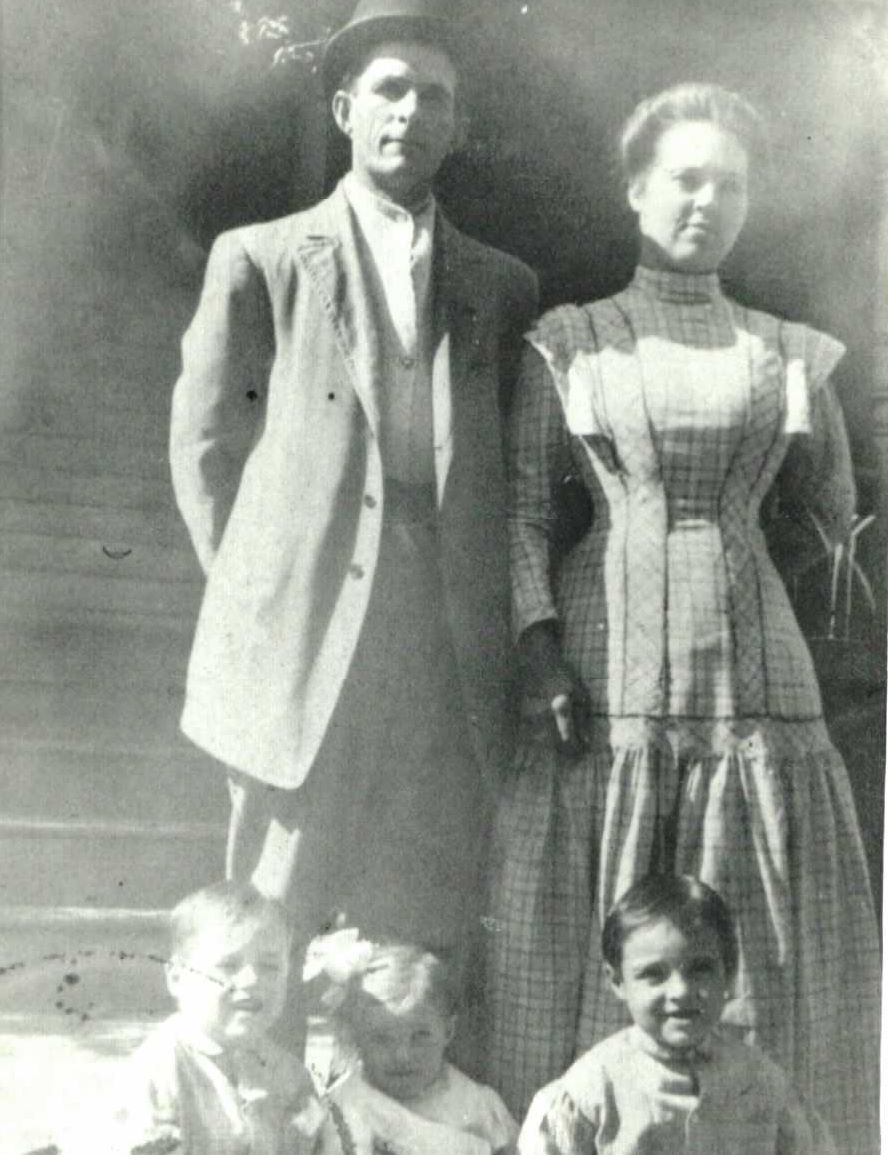
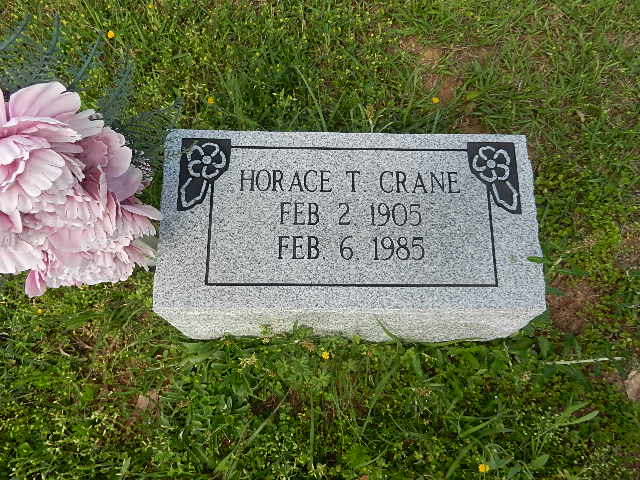
This topic made me laugh as the first person to come to mind was my great uncle Horace “Pappy” Crane. Uncle Horace was born 2 February 1905 to Amos Bolivar Crane and Mary Elizabeth “Minnie” White in Lauderdale County, Mississippi. He was the second of six children. In the following photograph, he is on the bottom far left. The boy on the far right is my grandfather Andrew Franklin Crane.

Amos Crane and Minnie White with Horace, Minnie Ellen, and Frank

Uncle Horace’s claim to fame was driving car #58 in Nascar and surviving a roll-over crash at Daytona in 1960.

This funny black sheep story about him has been pieced together from various relatives and may be a little fuzzy as I have no documentation of the events.

Uncle Horace lived in a modest home in Mississippi and sold off the acres of his property to a builder. The sale did not include his own home, of course. The builder constructed beautiful, expensive homes on the land and eventually came to Uncle Horace to ask when he was going to rebuild. Uncle Horace didn’t realize it at the time, but he had apparently signed a paper stating he would tear down his shack and build a larger, more expensive home in its place. Well, he didn’t have the money to build a new home, so he figured he could make it happen through insurance money and he burnt his own home down.

The arrest happened when the arson investigators found the home was set ablaze with the same mixture of fuel he used to race with. Ooops.

Fortunately for him, he only received probation for the arson, but a while later, he got into a drunken fight in a bar and had a pistol on him – which was against his probation. He spent time behind bars for violating probation.

Uncle Horace was the family character everyone has stories about, and the above tale is just the tip of the iceberg. He was very loved. He died 6 February 1985 and is laid to rest at Pleasant Hill Cemetery in Zero, Lauderdale County, Mississippi.

crane, horace t

52 Ancestors #19 Martha Ellen Rodgers

52ancestors-2015

This challenge is set forth by No Story Too Small,

and this week’s challenge is “There’s a Way” which I’ve translated into “travel.”

Years ago I came across a cousin born 4 April 1853. Her father and my 3rd great-grandma were siblings. She was the middle child of five born to James Rodgers and Martha Sanderford in Lauderdale County, Mississippi. When the Civil War began in ’62, her father was too old to serve, so he safely stayed home with her. Yet, things don’t always turn out for the best. The winter of ’62/63 saw a typhoid epidemic in the county and her parents died within days of each other. She was nine. Her name was Martha Ellen Rodgers, known simply as Ellen.

James daughter Martha Ellen Rodgers Meek

Due to all of her uncles fighting the war, she and her siblings moved in with her aunt Mary. Mary had four children of her own and her husband had just been killed in the war 31 December 1862. I can imagine how devastated the family was at that time, and probably hungry and scared.

When the war ended, Ellen was transferred to the custody of her only surviving uncle, Hays Rodgers, who packed up the family and moved to Alabama. The journey there would have been by ox-pulled wagons and would have taken a week. For someone who had never been more than a mile from her childhood home, this must have been quite an adventure. There was also another aunt living in Alabama at the time, Elizabeth, and at some point, Ellen moved in with her.

When I found Ellen had returned to Mississippi alone in 1875, I didn’t understand why, but soon found out that Aunt Elizabeth died that year at the young age of 36. I assume Ellen returned home to stay with her aunt Mary, as she was only 22 years old. The only way to travel from AL to MS at the time was by wagon train as most of the railroad lines were still under repair from their destruction by Sherman’s army. Traveling alone with a bunch of people in a wagon train must have been quite an experience.

The next record of Ellen is found ten years later in 1885. She appears in Texas and is married to Sam Houston Meek. How did she end up there? I found her two brothers had moved there at the end of the war with some other family members (apparently the children were separated), and she probably went out to visit them. One of her brothers was married to Sam’s sister, which explains how she met Sam. From my research, I found the travel from MS to TX would have involved three trains and about ten days. Imagine a young woman traveling alone on three different trains across the 1800s wild west.

Ellen and Sam were only married five years. She died in childbirth at the age of 37. She is buried at Pleasantville Cemetery in Nolanville, Bell County, Texas.

Her story is told in detail in my book An Orphan’s Heart.

rodgers martha ellen rodgers meek, dau of james rodgers

52 Ancestors #18 James Rodgers Sr.

52ancestors-2015

This challenge is set forth by No Story Too Small,

and this week’s challenge is “Where there’s a will.”

I find it interesting that in the case of wills left by men, they always contain land, money, and sometimes slaves. When we see a will left by a woman, it contains things more intimate in nature – books, sheets, dishes. The following are wills left by my 6th great-grandparents, James Rodgers Sr (1734 MA – 1794 TN) and his wife, Margaret Woods Rodgers (1746 VA – 1811 TN). I highlighted the items so you don’t have to read the whole things. 🙂

last-will-and-testament

Will of James Rodgers

In the Name of God, Amen. I, James Rodgers Junr. of Green County and Western Territory south of the Ohio, being very sick and weak in body but of perfect mind and memory, thanks be given unto God, calling unto mind the mortality of my body and knowing that it is appointed for all men once to die, do make and ordain this my last Will and Testament. That is to say, principally, and first of all, I give and recommend my soul into the hand of Almighty God that gave it, and my body I recommend to the Earth, to be buried in a decent Christian manner at the discretion of my Executors. And as touching such wordly estate wherewith it hath pleased God in bless me in this life, I give and dispose of the same in the following manner, Viz, after defraying funeral expenses and discharging all just debts, I will bequeath unto my dearly beloved wife Margaret, a Negro girl named Esther, one sorrel mare seven or eight years old with saddle and bridle, two cows, one bed and beddings, wit the third of all my movable property, to her, her heirs and assignees forever. I likewise will that she shall have the use of the Plantation I now live on during her widowhood, for the support of her and her children, with all necessary farming utensils. 


Item. I likewise will and bequeath to my son Joseph one hundred and fifty acres of land to be cut of the upper end of my Plantation with five pounds of Virginia currency to be paid in cash.

Item. I will and bequeath to my son John, and my son Samuel, the plantation I now live on in the following manner, and my son John to have upper end joining my son Joseph, and my son Samuel the lower end, to be divided equally betwixt them in quantity and quality, not withstanding should my son John, or my son Samuel, or either of them, come of age during my wife’s widowhood, that they then shall have liberty of improving the woodland belonging to their part as they think proper.

Item. I will and bequeath to my son James and Thomas, the sum of fifty pounds Virginia currency each, to be paid by my sons John and Samuel two years after full possession of their land each paying an equal part.

Item. I will and bequeath to my daughter Sarah one sorrel mare three or four years old with saddle and bridle.

Item. I will and bequeath to my daughter Margaret the sum of fifteen pounds Virginia currency to purchase a horse at her discretion with her saddle and bridle.

Item. I will and bequeath to my daughter Jean, one Negro girl named Hannah, to be her property during said Jean’s life and at her death my executors to sell said Negro and after paying the person who had the care of her during her life, what they think sufficient for their trouble, that then the remainder to be divided equally amongst my Legatees. I likewise constitute and appoint my loving wife Margaret my executrix and my Trusty Friends David Fleming and Samuel Froesure my executors to this my Last Will and Testament and I do hereby utterly disallow, revoke and dismal all and every other former Testaments, Wills, Legacies, Bequeasts and Executors by me, in any ways before named, willed and bequeathed; Ratifying and confirming this and no other to be my Last Will and Testament in witness whereof I have herein to set my hand and seal this fifth day of July, in this year of our Lord, one thousand seven hundred and ninety four.

Will of Margaret Rodgers

Margaret Rodgers dec’d (Min. 6 P. 155)
Tuesday 29th January 1811. This execution of the last will and testament of Margaret Rodgers dec’d was duly proven by the oath of Jacob Kilo and Margaret Campbell, late Margaret Rodgers Jr., their subscribing witnesses, and ordered to be recorded and is as follows. In the name of God Amen.

I Margaret Rodgers Senior of the County of Green and State of Tennessee, being weak and indisposed in body, but of sound, mind and judgemen, do make and ordain this to be my last will and testament. First I will that my funeral expenses be paid by me executors hereafter named and that all lawful debts be paid. Likewise I will and bequeath to my three daughter (viz) Sarah, Margaret, and Jane all four sheets and table linen, to be equally divided between them. Likewise I will and bequeath to my two daughters Sarah and Margaret, my two dishes and puter plates to be equally divided between them. Likewise, I will and bequeath to my daughter Margaret on three year old heifer spotted red and white, and one young sow. Likewise, I will and bequeath to my daughter Jane one new twilled feather bed, two good sheets, three good blankets, one rug, one red, blue and white coverlid, one calico and a linen quilt, one bolster, two pillows with proper cases and bedstead. And likewise all my new seven hundred linen. Also one hundred and fifty dollars to be let to intrust for her use, and if she the said Jane should decease before said money is for her lawful maintenance, then and in that case the money all or in part (as the case may be) shall be divided equally amongst the rest of my heirs. Also one good hog one cow and calf, one set of bed hanglings. It is likewise my earnest request that my daughter, Sarah Kelly, shall keep and nurse my said daughter Jane and it is my will that said Sarah get all the said Jane’s clothes, bed and furniture at her decease. I likewise bequeath to my daughter Margaret, one blue and white coverlid. Likewise I wil and bequeath my fowls of all kinds to my son John Rodgers’ wife, Jane, my daughters Sarah and Margaret. Likewise I will and bequeath one margin Bible to my son James Rodgers. Likewise I give to my daughter Margaret one pocket Bible. Likewise I will and bequeath to my sons Thomas John and Samuel Rodgers and likewise my daughter Sarah each one school Bible. The rest of my estate to be sold and divided equally amongst all my heirs. Likewise or ordain and appoint my son John Rodgers and William Kelly executors of this my last will and testament. Witness my hand and seal this first day of September one thousand eight hundred and nine. 
Signed and acknowledged in presence of
Jacob (his mark) Kilo

Margaret (her mark) Rodgers 

Coddicil to this will. Whereas my son Samuel Rodgers hath some time past purchased a horse from me for which he was to pay me the sum of twenty pounds Virginia currency and have never paid the same, this is therefore to will that the said twenty pounds be added to the dividend of my estate and be reducted out of his part.
52 Ancestors #17 John B Rice

52ancestors-2015

This challenge is set forth by No Story Too Small, and this week’s theme is “Prosper.”

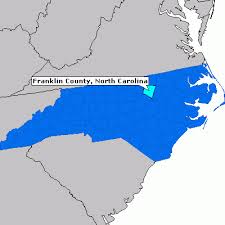
downloadMy 5th great grandpa was John B. Rice. I’m sure the B is for Benjamin as that was one of his son’s names. John was born in 1755 in Red Bud Creek, Bute County, North Carolina. In 1779 Bute County was divided into Franklin and Warren Counties and ceased to exist. John was born to Jared Rice and Lettie Potts. (My 2nd great grandmother’s name was Martha Lettie Carpenter. I always wondered where Lettie came from. Turns out it was her great grandmother’s name.) John signed up to serve in the American Revolution in 1776 at the age of 21 as a private and sergeant, and received a pension according to the North Carolinians list of pensioners as reported by the Secretary of State to Congress in 1835. He married Elizabeth Hopkins a year into the war and they had a total of eight children. By age 27, the family had moved to Nash County, NC, where John lived a long life and died on 29 April 1836, at the age of eighty-one.

last-will-and-testamentJohn’s will contains info as follows:

Probated August 1837. Page 443, Will Book I. Nash Co, NC. It names wife Elizabeth and son John. Daughter Nancy and her husband Benjamin Carpenter (my 4th great grandparents). Daughter Elizabeth and her husband William Richardson. Son Hopkins Rice. Two people I can’t place Reden Richardson and William Earppe. Grandson: Richardson Rice, son of William Rice. Children of son Benjamin Rice: John B. Rice, Nicholson Rice, Boykin Rice, heirs of Jincy Strickland. Legatee: John Leonard. Exec: Benjamin Merritt, John Rice. Witnesses: William M.B. Anndell, Boykin Denton.

The above named daughter Nancy Rice Carpenter was my fourth great-grandmother who married Benjamin Carpenter. They moved to Lauderdale County, Mississippi in 1821 when Indian land was being sold by the U.S. Gov’t for cheap. She lived as a pioneer woman, raising ten children in near squalor. After reading the following story, I’m under the impression she either must have been rebelling against her family or she really, really loved Benjamin Carpenter. But I found in John Rice’s will that he left items to Benjamin and Nancy and their children, so if she did rebel, they must have made up before John’s death.

I found the following somewhere on line:

*********************************

Nash County, North Carolina 1787.

A black woman by the name of Chaney was born. Little is known about her background, but it is believed she was the daughter of an African. She and her sister were slaves of the Hopkins Family.

Peter Hopkins, born in 1730, was the first in his family to move to Edgecombe County, North Carolina. He married Wilmoth Fowler who was born in Wake County, North Carolina in 1747 to Joseph and Anne Fowler. The couple had the following children:

  1. William Hopkins
  2. John Hopkins
  3. David Hopkins
  4. Elizabeth Hopkins-Rice (the above wife of John Rice)
  5. Susannah Hopkins-Russell

Elizabeth married a Revolutionary War Hero named John Rice. The two purchased about 800 acres of land on Lee’s Creek. They had eight children as follows:

  1. John Rice Jr
  2. William Rice
  3. Elizabeth Rice-Richardson
  4. Nancy Rice-Carpenter (my 4th great-grandmother)
  5. Mary Rice-Marriott
  6. James M. Rice
  7. Benjamin Rice
  8. Hopkins Rice

Chaney was brought to this 800 acre plantation of John Rice and Elizabeth Hopkins Rice. Most of her children were born here. She had at least five children. In the early 1800’s, John Rice deeded Chaney and her children to his youngest son Hopkins Rice and his wife Jane.

In the early 1820’s Hopkins Rice and his family migrated to Greene County, Alabama and in 1828, they purchased land in the Clinton and Pleasant Ridge areas. Over the years, some of the slaves were sold to various plantations in the area. One of Chaney’s sons, Anderson, was sold to Eldred Pippen. Jesse was sold to Gaston Wilder of Pickens County, Alabama. Richard was sold to William Gilmore of Mantua. The last son, whose name is unknown, was sold to a Mr. Harkness. Her grandsons were also sold.

*****************************************

Nancy Rice-Carpenter is my 4th great-grandmother. Her parents, Elizabeth and John Rice are my 5th great-grandparents. Elizabeth’s parents Peter and Wilmoth Hopkins are my 6th. Though Nancy, being a girl, probably didn’t stand to inherit much of the family’s wealth, I still think it strange that she moved away from her obviously prosperous family.

52 Ancestors #16 John Culpepper of Wigsell

52ancestors-2015

This challenge is set forth by No Story Too Small, and this week’s theme is “Live Long.”

Strangely enough, my parents and my maternal grandmother all died in their 50s, so I’ve always had this notion that I would probably die in my 50s also. Not really a morbid thought, just a weird likelihood. When I started looking at the ages of my ancestors for this blog, I was surprised to find a majority of my ancestors lived into their 80s. Maybe I’ll get a few more years out of this life than I thought.

One of my ancestors lived to be 82…back in 1612. I think that is a considerable age for the time. According to early English records, an infant had a 30% chance of dying before the age of 15, 60% for working-class children in the city. As people had no concept of immunity, many died of childhood diseases, and as they grew, they were likely to die of food-borne illnesses or communal diseases like the plague and typhus. In 1665, 80,000 people died of the plague in London, 45,000 were children. Sanitary practices weren’t invented, and medicine wasn’t even a factor. Most thought one survived only because of luck, and many families named their children with identical names, knowing only one had a chance of surviving into adulthood.

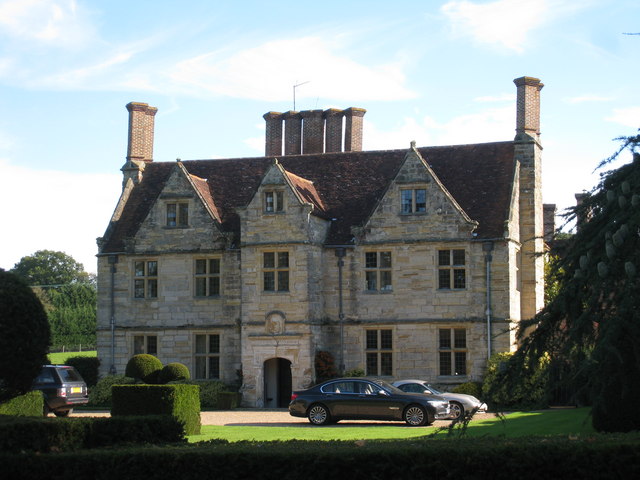
book 1 different angleSo, in 1530, my 12th great-grandfather John Culpepper of Wigsell was born in Salehurst, Sussex, England. He had at least two brothers who also lived to a considerable age, all breaking the above mortality rates. He married Elizabeth Sedley at the age of thirty, had seven children who all survived, and remained in his childhood home of Wigsell Manor until his death 20 October 1612 at the age of 82. The home is still standing today and is privately owned. Mostly, John lived a quiet life in the country, but records show him an active Justice of the Peace in public testimonies and an involvement in Queen Elizabeth’s Privy Council from 1558 to 1592.

St_Mary_the_Virgin_Church,_Salehurst_(Geograph_Image_2366571_3456e22f)He was buried at St. Mary the Virgin Church in Salehurst on 21 October 1612 as “Johanes Colepeper, armiger, etatis 82.” Armiger means having the right to a coat of arms, and etatis means age. If there was a monument, it was destroyed during the Commonwealth’s desecration of the local churches in the mid 1600s.

52 Ancestors #15 Colepeper/Culpeper/Culpepper

52ancestors-2015

This challenge is set forth by No Story Too Small,

and this week’s challenge is “How do you spell that?”

choctawMost of my family comes from England and Ireland, so the names are very pronounceable. I have a maternal Choctaw Indian great-grandmother in my history, but in 1801, the Treat of Fort Adams was signed, giving 2.6 million acre of Choctaw land in Mississippi to the U.S. Government. By 1830 and the signing of the Treaty of Dancing Rabbit Creek, a total of 23 million acres had been ceded to the government. The Indians were relocated to Oklahoma, but the ones who didn’t go assimilated into the white European culture and gave up their Indian names. I’m sure her father or grandfather had an unusual name, but I will never find out what it was as the Choctaw people didn’t keep good records like the Cherokees did.

So, that leaves me with two choices for this blog. 1) A host of men in my family who have the name Bluett/Bluitt in their lines, or 2) the explanation for Colepeper/Culpeper/Culpepper.

I think I’ll go with #2.

The name began as “de Culpeper.” The French translation of “de” means “of” referring to a place, and “cul” means “the bottom.” Hopefully, it means the bottom of a hill or a road, and not the bottom of your rear end. 🙂 One of the first family manors sat at the dead end of Pepenbury, and we assume Peper is a slang/shortened translation. Eventually, the “de” fell out of fashion, and the name became simply “Culpeper.”

There is some suggestion that the name had something to do with peppers, either farming them or selling them, but the first known Culpeper in 1170 held an office, so he was probably Norman as the Normans were in control politically at that time. This leads us to believe the name had nothing to do with any Anglo-Saxon practice of selling vegetables.

From 1400s to 1600s, many members of the family used “Colepeper” interchangeably with “Culpeper” though I have no idea why, except for the fact that spelling wasn’t standard.

There are a few ancestors who traveled to America and left their mark:

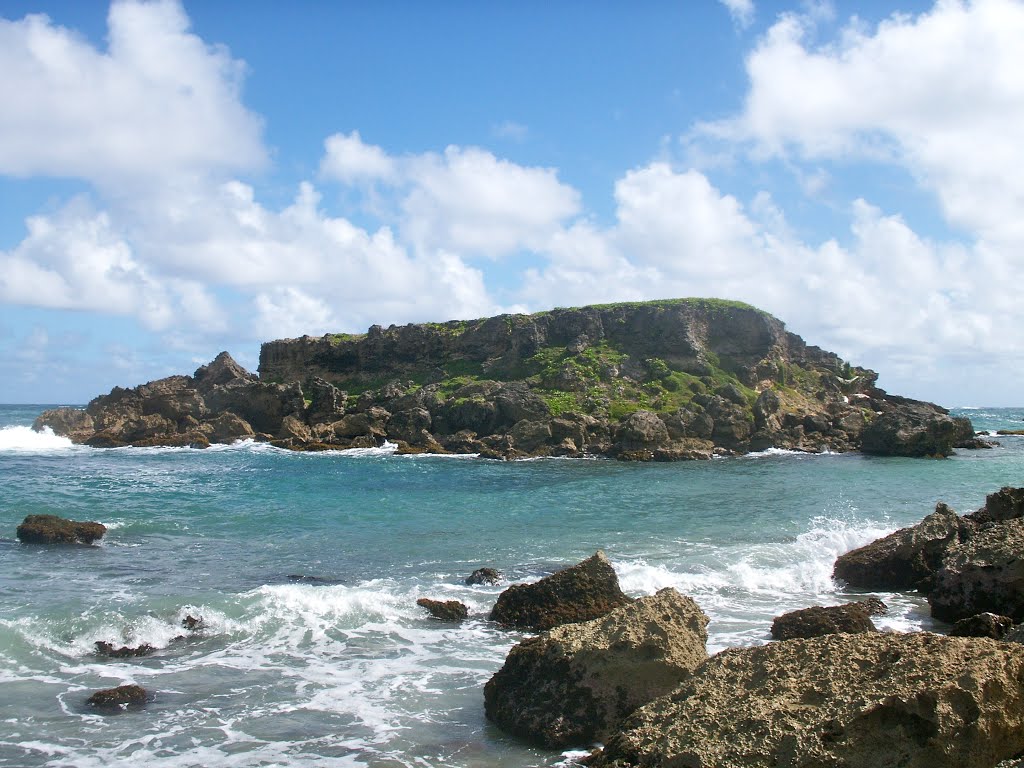
80516215Mid 1600s – My 10th great-grandpa, John Culpeper, and his sons and nephews ran a merchant route between England, Virginia, and Barbados, and there is an island off the coast of Barbados called “Culpepper Island” which is pretty much an uninhabited rock.

Late 1600s – Lord Thomas Culpeper 2nd baron of Thoresway (the above guy’s cousin) was a governor of colonial Virginia, and there is a town and a county named after him—Culpeper, Virginia and Culpeper County, Virginia. That’s better.

VA_25402

Saturday Snippet – I, John Culpepper

Culpepper_1My new book, I, John Culpepper, has just hit the shelves! I’m so excited.

If you haven’t heard anything about it yet, John Culpepper is my 10th great-grandfather, born in England in 1606 and the progenitor of the modern-day American Culpeppers. The book is the first of four in the Culpepper Saga, the story of John’s life, beginning on the day of his birth, through the settlement of the American colonies, the turbulence of the English Civil War, and the rebellions in Virginia and Carolina which one-hundred years later would lead to the Revolution. It is a series of historical fiction, filled with drama and danger. Yet, there are moments of lightness and humor in John’s life.

When John was fifteen, he attended law school in England, and he was under the understandable impression that his headmaster resembled a goat. The joke between him and his friends carries on for quite a few chapters, as young boys typically can’t let a good laugh go without beating it to death with a stick. At one point, they played a prank on the man just as John’s father stormed into the school, angry about John’s behavior.

Below is one of my favorite scenes featuring John, his brother Thomas, his father Johannes, and Headmaster Barnaby.

**************************************************

Johannes Culpepper stomped in through the archway of the library door. His heavy boots echoed off the stone floor and paneled walls and disturbed the quiet room, causing every student to look up from their studies. Johannes’s sheer size was daunting, and in his broad-shouldered jerkin with his large hat, he looked even more intimidating. His face was red and his eyes were narrowed. His jaw twitched in anger. He marched straight to the table in the center of the room where John, Thomas, and their friends sat.

Thomas looked up in surprise. “Father! What brings you here?”

“I’ve gotten word in London that someone is misbehaving.” He glared across the table at John.

“No, Father, that’s not true,” countered John.

“We will discuss this outside. Both of you, come with me.” He marched out the back door and into Temple Garden with John and Thomas trailing close behind. By the time they reached the middle of the yard, faces of schoolboys had pressed against the diamond-shaped panes of glass, watching and listening for the heated argument that was surely to begin.

Johannes stood with his hands on his hips, chastising the boys about something, but the students inside the library couldn’t make out what he was saying. Johannes’s face was red and veins bulged from his temples, but John didn’t look angry. As a matter of fact, he looked quite amused.

John and Thomas faced their father, and directly behind him, picketed in the middle of the garden, was a white goat, dressed in a black robe with gold cords around its neck. Next to the goat stood Barnaby, his hands on his hips, his face purple with anger as he glared at the goat. The goat looked up at Barnaby and let out a loud “baaaa!” John couldn’t stifle his laughter. He turned away from his father and pretended to have a coughing fit.

****************************************

I, John Culpepper is available at Amazon.

Please stop by the Culpepper Saga Facebook page to see photos and to find more information about the settings and characters.