October Ancestry Challenge 2013

oct ancestry challenge-001Can you come up with 23 ancestors? Do you have family stories, photos, documents? Are you a history/genealogy/ancestry buff?

Then please join us for the October Ancestry Challenge 2013!!

The goal is to write 23 posts (Monday through Friday) in October about a different ancestor each day.

If you travel back in time so far that you only have a birth date and place, you can transform your story into a history lesson. As a history buff, I love reading about the clothing styles, means of transportation, and local flavor of the past, so be creative with your ancestors. Where did they live? What did they do? Where did they travel to and from? My great grandmother said about my great grandfather, “He had rosy cheeks and teeth as white as pearls.” Maybe white teeth were rare in 1900. 🙂

Let me know in the comments if you’d like to join us, and I’ll add you to the list below. And feel free to steal the challenge banner from this page.

Everyone, please stop by during the month of October and share the past with us.

1. a day in the life of patootie

2. mama bear musings

3. Padilly’s Melting Pot 

4. We Go Back

October Ancestry Challenge 2013

oct ancestry challenge-001I was looking for a blog challenge in which to participate in October and didn’t come across anything I liked, so I decided to create my own challenge. Do you study genealogy? Do you have tons of ancestry info and no place to share it? If you read further and decide you’d like to join me, please do so. Help yourself to the official banner and let me know that you’d like to participate. I will post a link to your page as a participant on the “official kick-off blog” the weekend of Sept 27 and update it as anyone joins us.

The October Ancestry Challenge 2013 will be 23 posts (Monday through Friday) in October about a different ancestor each day. If you can find 23 ancestors, you can rock this challenge. It will also be a lesson in history, clothing, culture, and world events. You may include yourself and your parents if you choose.

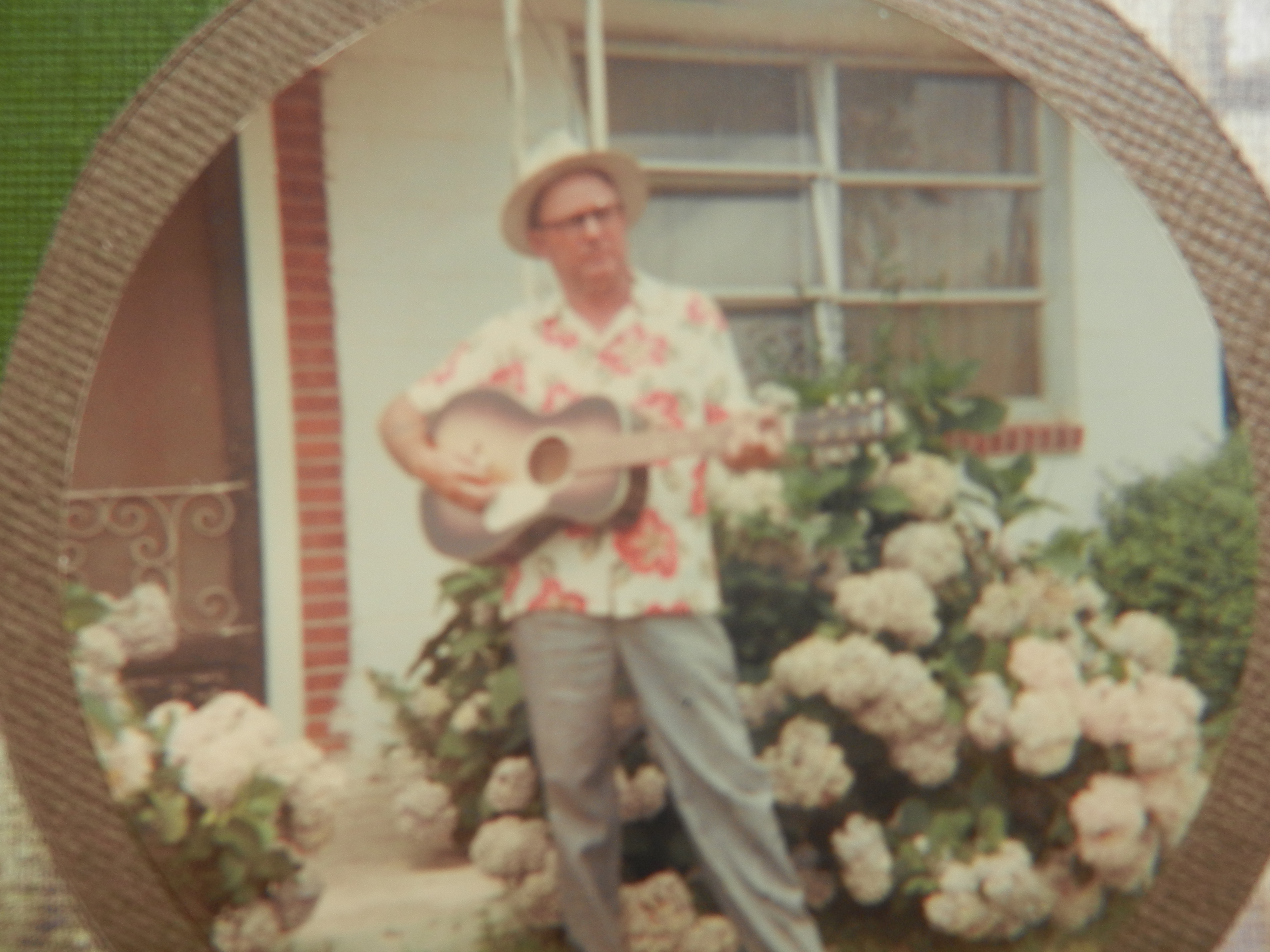
I’m going to blog about the Culpeppers. I have 25 Culpepper ancestors ranging from my maternal grandfather Earl Culpepper who died in 1994 in Mississippi…

culpepper Earl Culpepper


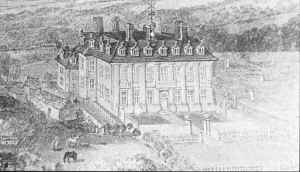
all the way back to my 23rd great grandfather John Culpepper who was born around 1140 in Kent, England.

3d75316f-cd6a-4886-863b-652ad38e6589


(This was his house called Bayhall Manor in Pembury, Kent. Remains of the building were visible until 1960, when one of the national newspapers told a rather exaggerated story of its being haunted. People coming to see it made themselves such a nuisance and rendered it so unsafe, that the owner of the land cleared the ruins away. The ghost was supposed to be that of Anne West, the last person to reside in the mansion. See? It’s already an interesting ancestry blog.)  

My Culpepper ancestors lived through the 2nd Crusade, Genghis Kahn, Marco Polo, gunpowder, the Bubonic plague, Joan of Arc, Henry VIII, Christopher Columbus, Isaac Newton, The Revolutionary War, The War of 1812, Napoleon, Louis Pasteur, Charles Darwin, railroads, The American Civil War, Thomas Edison, Alexander Graham Bell, Model T, Albert Einstein, WWI, airplanes, Titanic, WWII, Vietnam War, not to mention, Victorian dresses, Hobble skirts, ragtime music, smoking jackets, and the first television. 

I’m looking forward to putting together these blogs beginning with my grandfather and working back in time. Please join me beginning October 1st to participate and/or to visit.

Wednesday Writer’s Corner – Aug 7, 2013

In honor of my coming October book release of “Elly Hays,” today’s Writer’s Corner will be about the book’s heroine, Elizabeth Hays Rodgers, and how she came to be the center of a novel.

She was the only daughter of Samuel Hays and Elizabeth Priscilla Crawford, born in North Carolina in 1774. She spent her young childhood in the unrest of the Revolutionary War. She married when she was sixteen, and after twenty-one years of marriage and eleven children, her husband decided to uproot the family from Tennessee and start a new life in the Mississippi Territory. Considering what they were walking into, I had to write her story. A portion of it is below. It will help you understand that area of the country at that time in history.

The (unedited) Prologue

In 1811, America was on the verge of war. The victory in the Revolutionary War gave Americans their independence, but the newly formed country had many unresolved issues. Americans had a vast frontier to settle and they considered the land now known as Canada to be part of their land. They wanted to expand northward and westward, but the British joined forces with the Native Indians in an attempt to prevent the Americans from expanding in either direction.

The British had also begun restricting America’s trade with France and the mighty Royal Navy ruled the seas. The Royal Navy had more than tripled in size due to their war with France, and they needed sailors. They captured American merchant ships off the coast of America and forced the men with British accents to join the ranks of the Royal Navy, proclaiming they were not American, but indeed British. Kidnappings and power struggles in shipping ports like New Orleans loomed over the newly formed United States.

The British not only invaded the southern coastal cities of the United States, but also the eastern seaboard, attacking Baltimore and New York, and burning Washington D.C. to the ground. The War of 1812 is historically referred to as the second war for independence. It was the battle for boundaries and identity for the Americans.

Sadly, the Native American Indians had the most to lose in the power struggle. Shawnee warrior Tecumseh was but a child when he witnessed his father brutally murdered by a white frontiersman. His family moved from village to village and witnessed each destroyed at the hands of the white men during and after the American Revolution. As a young teen, following the Revolution, he formed a band of warriors who attempted to block the expansion of the white man into their territory, but the effort saw no lasting result. Conflict with the white man was a battle he had fought all his life, and as a warrior now in his early forties, he knew the stakes were high for the Indians in the coming battle. He traveled the southeast, coaxing the numerous Indian nations to unite against the white man, promising help from the British in the form of weapons and ammunition, and offering reinstatement of the Indian’s lost lands upon victory. Tecumseh’s prophet, who traveled with him into Creek territory, forecasted a victory, foreseeing no Creeks being wounded or killed in the battle.

In the Eastern Mississippi Territory, which later became the state of Alabama, the Creek Indians were divided. Many Creek villages had been trading with the white man for years and participated in civilization programs offered by the United States government. These Creeks had been taught the ways of the white man. They spoke English, could read and write, and even incorporated white man’s tools into their daily lives. They traded or were given gifts of plows, looms, and spinning wheels, and had no qualms with the white man. Many had married whites, and they did not want to join in the fight.

In opposition, many villages joined with Tecumseh, for they wanted to maintain their way of life, claiming the white man’s ways would destroy their culture. They had witnessed the white man encroaching on their lands, destroying their forests and villages, and polluting their streams. And probably, some suspected the white man’s intent was not co-existence but domination, for they had seen this come to fruition in the treatment of the black slaves.

In 1811 and 1812, tribal tensions were growing due to these differences in beliefs, and this caused a great war in the Creek nation called The Red Stick War. It was a civil war fought between the Creek people, but by 1813, it expanded to include the American frontiersmen and the U.S. government. At the height of the War of 1812, the Creeks were at war with nearly everyone, including their own people.

It was in this turmoil that a white farming family moved from their home in Tennessee to the fertile farmlands of the eastern Mississippi Territory, a place known today as Clarke County, Alabama. James Rodgers, his wife Elly, and their eleven children unknowingly entered a hornet’s nest.

If you have read the first book in the Okatibbee Creek series, “Okatibbee Creek,” you will be familiar with its heroine, Mary Ann Rodgers. “Elly Hays” is about Mary Ann’s paternal grandmother, Elizabeth Hays Rodgers, better known as Elly. If you have not read any of the Okatibbee Creek series, they are a collection of stories about one family and the strong women of our past. These are the real-life stories of my grandmothers, aunts, and cousins, but if you live in the U. S., they could also be the stories of your female ancestors – the women who fought for us, for our safety, our lives, and our freedom, and who sacrificed everything with the depth of their love and their astounding bravery.

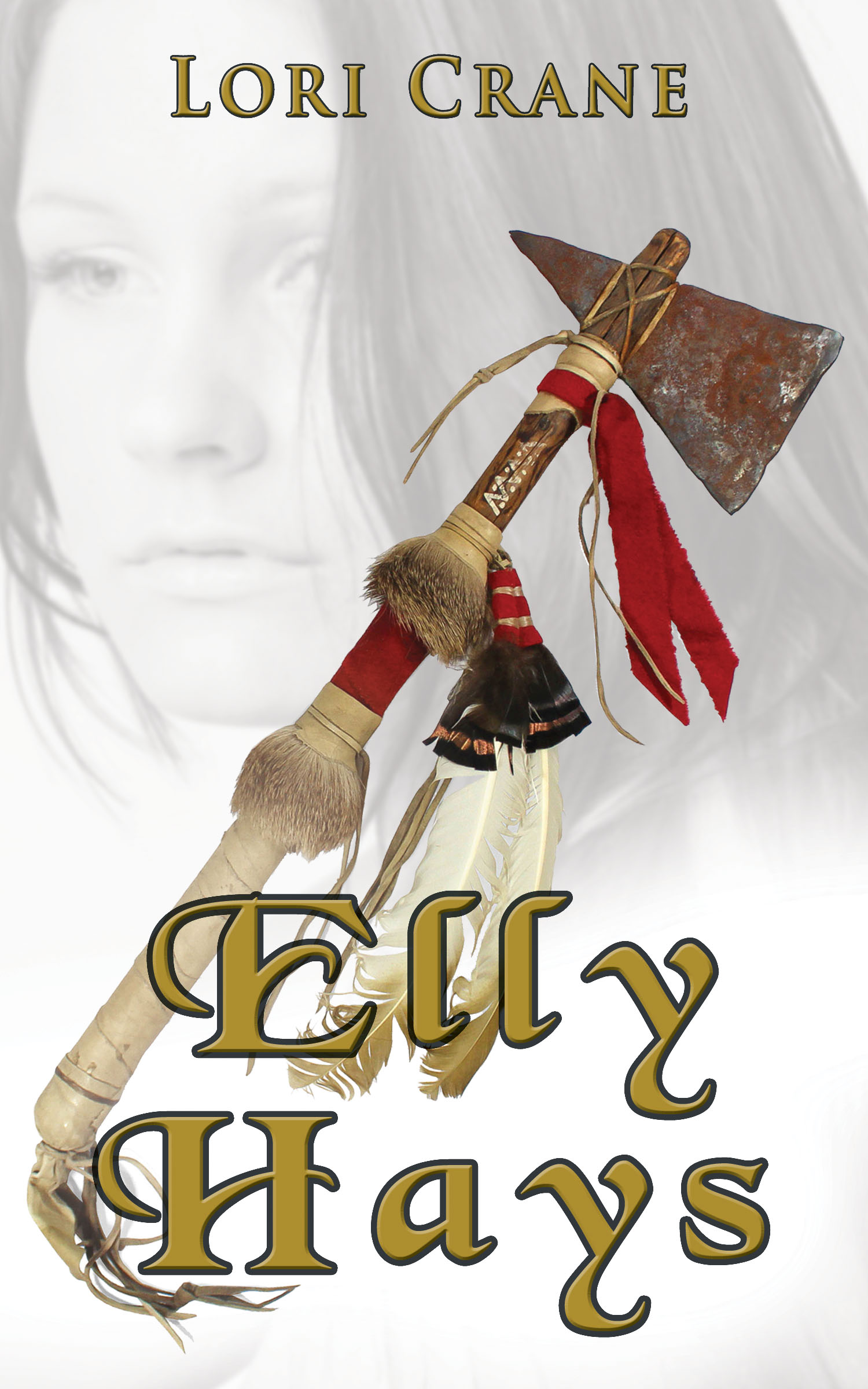
Elly Hays will be release October 2013 in paperback, Kindle, and Nook.
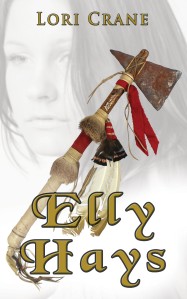
elly cover_web

Julia Ward Howe – shaping words

“Arise all women who have hearts, whether your baptism be of water or of tears! Say firmly: Our husbands shall not come to us reeking of carnage for caresses and applause. Our sons shall not be taken from us to unlearn all that we have been able to teach them of charity, mercy, and patience…
“We, the women of one country, will be too tender of those of another country to allow our sons to be trained to injure theirs.
From the bosom of a devastated Earth a voice goes up with our own. It says: “Disarm! Disarm! The sword of murder is not the balance of justice.” Blood does not wipe out dishonor, Nor violence indicate possession…”
— Julia Ward Howe, “Mother’s Day for Peace Proclamation,” 1870

945653_10200301091023750_151209309_nPictured here in 1908.

Howe also wrote “The Battle Hymn of the Republic” in 1861, which seems to me a lot less pro-peace than the above piece. Perhaps the carnage of the Civil War softened her a bit.

“Mine eyes have seen the glory of the coming of the Lord. He is trampling out the vintage where the grapes of wrath are stored. He hath loosed the fateful lightning of His terrible swift sword. His truth is marching on.

Glory, glory, hallelujah, his truth is marching on.”

November 18, 1861, of the writing of the lyrics, Howe remembered:

“I went to bed that night as usual, and slept, according to my wont, quite soundly. I awoke in the gray of the morning twilight; and as I lay waiting for the dawn, the long lines of the desired poem began to twine themselves in my mind. Having thought out all the stanzas, I said to myself, ‘I must get up and write these verses down, lest I fall asleep again and forget them.’ So, with a sudden effort, I sprang out of bed, and found in the dimness an old stump of a pen which I remembered to have used the day before. I scrawled the verses almost without looking at the paper.”

A to Z Challenge – S is for Slavery

S is for Slavery

That title may have raised a few eyebrows, and I apologize. With my recent genealogy research, I have been thinking a lot lately about slavery. Not as in bad or good, or as in a concept of the past, but as in the actual people involved in the process—the slaves and the owners and their lives and relationships.

My family hails from the south—All Of Them. We’ve been in NC, TN, MS and AL since the 1600s. I think all but one of my greats, 2nd greats, and 3rd greats were born and raised in the south. And just like the majority of southern farmers, nearly all of my family owned slaves until 1863ish. What got me thinking about the topic in depth was recently finding a 1750 will of a grandfather who owned 800 acres and left at least 40 slaves to his descendants. 40? What a major financial investment and responsibility that was.

I also have other family history:

…a 3rd great grandfather who gave his slave 80 acres following the emancipation, and his descendants still live on that land to this day, next door to the grandfather’s descendants.

…a great uncle who sold his farm in 1865 to a black man named Tom Stennis. Later I found that this was a former slave of Adam T. Stennis, who bought my 4th great grandfather’s land in 1869.

…that same 4th great grandfather had $8000 of wealth in land and farming equipment in 1860—and had 13 slaves. Generally, a slave would sell for $1000 or more at an auction, so this was not a cheap or frivolous purchase. He was well-to-do with $8000 of land and livestock, but he had most of his wealth tied up in $13,000+ worth of slaves. Those are 1860 prices. I looked it up on http://www.measuringworth.com/uscompare/ and found the relative value of $13,000 in 1860 is up to $45 MILLION today. Holy Cow!

I am not negating the abuse of slaves at the time nor the emotional attachment people of today have to this issue. This is not a debate on whether slavery was good or bad. As intelligent human beings, we can all agree it was/is bad. I am, however, finding more and more evidence that the white plantation owners took good care of their slaves following the emancipation. So, that’s what got me thinking about it…on a human level.

If you own livestock, you probably don’t love them, but you do recognize your responsibility to feed them and take care of them. If you own something rare and valuable like a sports car, you would take very good care of it. If you are from the south, you have a greater sense of responsibility toward your neighbors and community than anywhere I’ve seen on this planet. Everyone knows the kindness and compassion of southerners is unsurpassed.

Now, if the government takes away your ability to make a living, as it did to plantation owners by taking the slaves away, what are you going to do? Easy, you get another job. But what if that action involves 40 people who work for you and depend on you? These were not employees who you hand a pink slip and send on their way. They are your property. Don’t you have a moral obligation to take care of the people in your charge, whether they were birthed or bought? When the slaves were legally freed, where could they go? What could they do?

The most logical idea I thought of was to give them 40 acres in exchange for them still working on your farm. That would help you maintain your income, while at the same time, helping them become free.

I’m wondering if Alex Haley’s “Roots” dug so deep in our collective conscious, that it created in us a mindset that all slave owners were evil, abusive tyrants. Perhaps they were, but I’m finding a lot of evidence to the contrary. This whole issue is swimming around in my head, so please comment if you have thoughts.

A to Z Challenge – R is for Rice

Blogging from A to Z April 2013 Challenge

R is for Rice

As with other blogs on my site, this is about my ancestors–the Rice family.

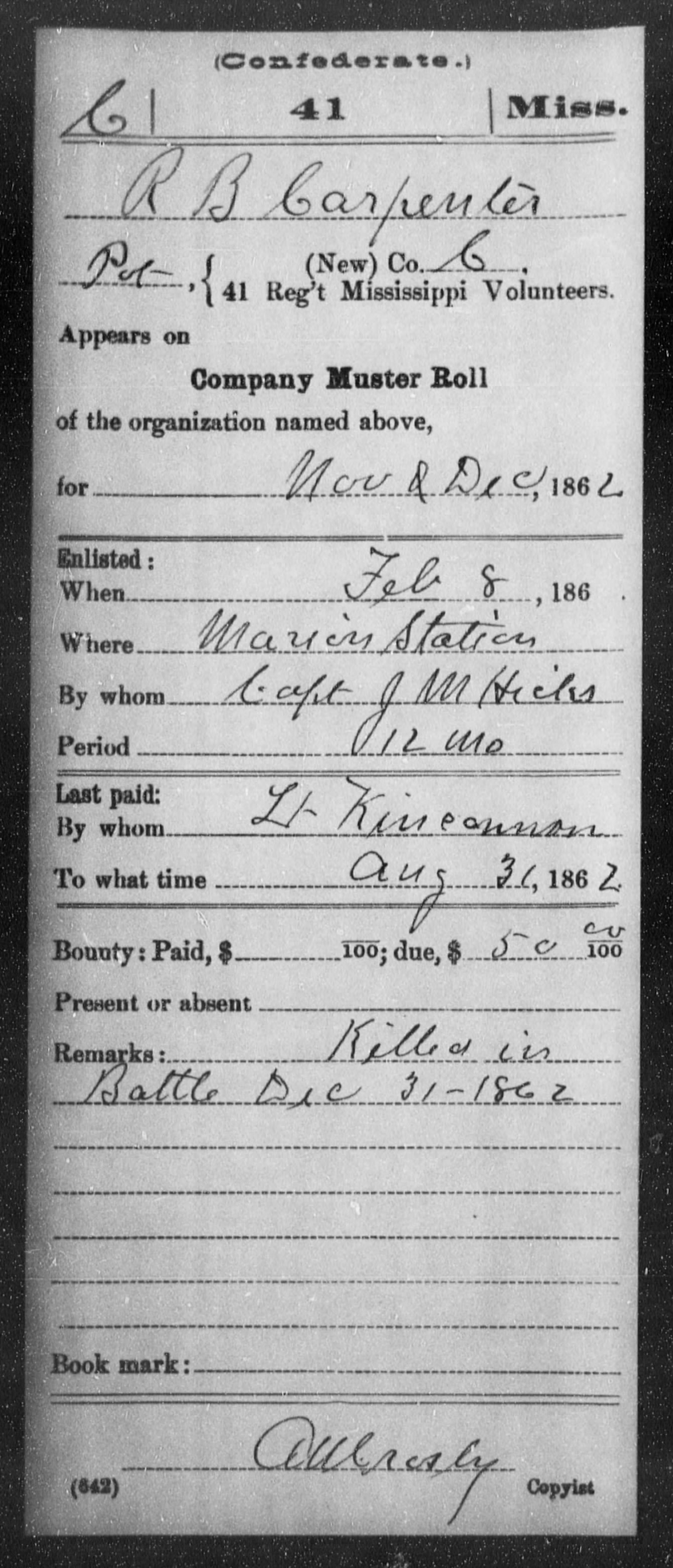
My 3rd great grandfather was Rice Benjamin Carpenter. He was born in 1828 and died during the Civil War serving the Confederacy at the battle of Stones River in Murfreesboro, TN on 31 Dec 1862. He left behind a wife and four young children. He is buried at the Confederate Circle at Evergreen Cemetery in Murfreesboro.

Page 5

carpenter rice

His first name came from his mother’s family—the Rice family. His mother was Nancy Rice, born born 1791 in NC. At some point around 1834ish, she and her husband, Benjamin Carpenter, packed up their home and five children and moved to Lauderdale Co, MS. After arriving there, they had five more children. Nancy and Ben both died in Lauderdale Co in 1870 and 1865, respectively.

Nancy’s father was John B Rice (I bet the B was for Benjamin). John was born in 1755 in NC and died there 29 Apr 1836. He married Elizabeth Hopkins, who was also born and died in NC. They had at least eight children in the late 1700s, including a son named Hopkins Rice. Is this getting confusing yet? John served in the American Revolution (pension no 59062). That makes at least 3 grandfathers of mine who served.

One of my genealogy buddies found the following in a Rice Family archive. It reads to be from a slave’s descendant.

“My family history dates back to Nash County, North Carolina in 1787. A woman by the name of Chaney was born. Little is known about her background, but it is believed that she was the daughter of an African. I have done extensive research on the slaves of Hopkins Rice. It is believed that Chaney and her sister were given to the Hopkins Family of Nash Carolina. Peter Hopkins was the first Hopkins in his family to move to Edgecombe County, North Carolina. He was born in 1730. He married a woman named Wilmoth Fowler. She was born in 1747 in Wake County, North Carolina. She was the daughter of Joseph F. & Anne Fowler. The couple had known children: William Hopkins, John Hopkins, David Hopkins, Elizabeth Hopkins-Rice, and Susannah Hopkins-Russell. The Hopkins oldest daughter, Elizabeth, married a Revolutionary War Hero named John Rice. He was born in 1755 in Bute County, North Carolina. They moved to Nash County, North Carolina and purchased about 800 acres of land on Lee’s Creek. They couple had about eight children.1. John Rice, 2. William Rice, 3. Elizabeth Rice-Richardson, 4. Nancy Rice-Carpenter, 5. Mary Rice-Marriott, 6. James M. Rice, 7. Benjamin Rice, 8. Hopkins Rice. Chaney was brought to this plantation, but it is unsure exactly when. However most of her children were born on the Rice plantation. There is a strong possibility that she had more than five children, but it is uncertain. In the early 1800’s John Rice deeded Chaney and her children to his son Hopkins Rice and his wife Jane. In the early 1820’s Hopkins and his family migrated to Greene County, Alabama by way of Georgia. They purchased land in 1828, where the estate grew in the Clinton and Pleasant Ridge areas. In the later years, some of the Rice’s were sold to various plantations. One of Chaney’s sons, Anderson, was sold to Eldred Pippen. Also three of her great grandsons were sold. Jesse Rice was sold to Gaston Wilder of Pickens County, Alabama. Richard “Dick” Gilmore was sold to William Gilmore of Mantua. The last son was sold to a Harkness, whose name is not known.”

John’s father was Jared or Jerret Rice. He was born around 1730. He married Lettie Potts and they had at least six children. They lived in NC. My second great grandmother (Rice Benjamin Carpenter’s first child) was Martha Lettie Carpenter Blanks. I always wondered where the name Lettie came from. Now we know.

If you’re lucky enough to be Irish, you’re lucky enough

My great great grandfather, John Francis Burke. Born 27 Feb 1847 in Dublin, Ireland.

tumblr_m10cm7o9fx1rpv9aho1_400

Family stories say he stowed away alone on an America-bound ship when he was 15 years old. The captain found him en route and told him he could not be taken back. He told the captain, “If I wanted to go back, I wouldn’t have stowed away.” So, they dropped him off in Miami in 1862, in the middle of the Civil War.

There are a few John Burkes in Confederate military records and census records from 1862 to 1870, but I don’t know which one, if any, is him. There is one in particular in the 1870 census listed as a farmhand in Alabama that I am leaning toward, but I’m not sure.

The next record of him was his marriage in 1879 to Nancy Didama Spencer of Mississippi. He is shown living with her family in the 1880 census and is listed as a “ditcher.”

He and “Grandma Damie” had six children between 1880 to 1894. There are no other records of him. Strangely, Damie is listed as a widow in the 1900 census, though John Francis did not die until 1909. Family members tell me Damie did not believe in divorce, and Damie and John spent the last ten years of their marriage under the same roof, but not speaking. When Damie spoke to the census-taker, she said she was a widow. I don’t know what he did to make her so angry, but it must have been a doozey. This explains why they are not buried next to each other at the cemetery. I always wondered why they are in different rows.

burke JP Burke Sr headstone 2

On a side note: Grandma Damie was a doctor and rode around the community side-saddle taking care of the sick. My mother told me a story about a grandmother who was a “medicine woman” who knew every plant and tree and how it could be used to heal people. She told me it was my other grandmother who was a Choctaw Indian, but I believe she got the women confused, and she was speaking of Grandma Damie.

Family members told me John Francis left home because he was angry with his father. I don’t know who his parents were, but if I ever venture into Dublin, Ireland records, I should be able to find him because his children were named after his siblings. His children were John Patrick “Pat”, Robert Emmett “Bob”, George Washington (probably won’t find a sibling with that name, that was his father-in-law’s name), Nina Virginia, Kathlene L, and David Edmund.

I don’t know what kind of childhood my great grandfather, John Patrick “Pat” Burke, had as he died four years before I was born, but I do know he played fiddle every Saturday night at the community barn dances. A cousin has his fiddle and the family pump organ stored away. Being a professional musician, I would give anything to get my hands on those. I wonder where my great grandfather learned to play fiddle. It’s such an Irish thing to do, don’t you think? Perhaps his father taught him. Perhaps his father learned from his grandfather. Hmmm.

I’m not sure I will ever find my Irish ancestors, and I feel sorry for his mother, never knowing what happened to her rebellious fifteen-year-old son. John Francis Burke could have pulled that name out of the sky or it could have been Bourke or O’Byrne or something. Either way, here’s a toast to my grandfather, John Francis Burke. For without his braveness at the tender age of fifteen, I would not be here.

shamrocksHere’s to the land of the shamrock so green,

Here’s to each lad and his darling colleen,

Here’s to the ones we love dearest and most.

May God bless old Ireland, that’s this Irishman’s toast!

Coincidental Dates (cue Twilight Zone music)

For you genealogy buffs: Do you see the same dates over and over when you work on your family tree?? I always see the same four dates – the birthdays of my kids, my birthday, and my wedding anniversary. Note: I NEVER see hubby’s birthday, my mother’s birthday, or any other family date. Only Feb 5, Oct 12 and 31, and Nov 19.

Strange? Yes.

I figured since I have absolutely nothing to do (sarcasm) I will compile all the strange dates.

February 5

My son’s birthday

My aunt’s birthday, Bobbie Jean Culpepper McQueen

My cousin’s birthday, Judy McQueen

My cousin’s birthday, Carolyn Burke Goss

My mother’s wedding anniversary, Linda Faye Culpepper

October 12

My daughter’s birthday

My great great uncle’s death date, James Rodgers

My great great great grandfather’s birthday, William Henry Blanks II

My third cousin’s birthday & death date, Claude Wesley Gardiner

My great great uncle’s birthday, Thomas Culpepper

October 31

My anniversary

My grandfather’s death date, Benjamin Berry Pickett

My father’s death date, Andrew Frank “Andy” Crane Jr.

My great great grandparent’s anniversary, Martha Lettie Carpenter and William Henry Blanks III

November 19

My birthday

My great great grandmother’s birthday, Sarah Elizabeth “Betty” Brown Keene

My great uncles birthday, Howard Pickett

I’ve heard stories of people re-incarnating in groups and around dates. I find the concept curious, but I have no convictions about it either way. I do, however, find it interesting that my dad’s Grandma Pickett has all of the Oct 31 and Nov 19 dates in her family. The people listed are her mother, husband, son, grandson, and great granddaughter (me).

That’s weird that my birthday and anniversary all coincide with dates on my dad’s side of the family.

I also find it oddly curious that my mother has my kid’s (Feb 5 and Oct 12) birthdays repeated over and over in her family. Those listed are her sister, two cousins, niece, two great uncles, great great grandfather, grandson, and granddaughter.

That’s really, really weird that my kid’s dates are all on my mom’s side.

What’s even more strange is that I would think of this today – the anniversary of my grandma’s death. RIP Mamaw.

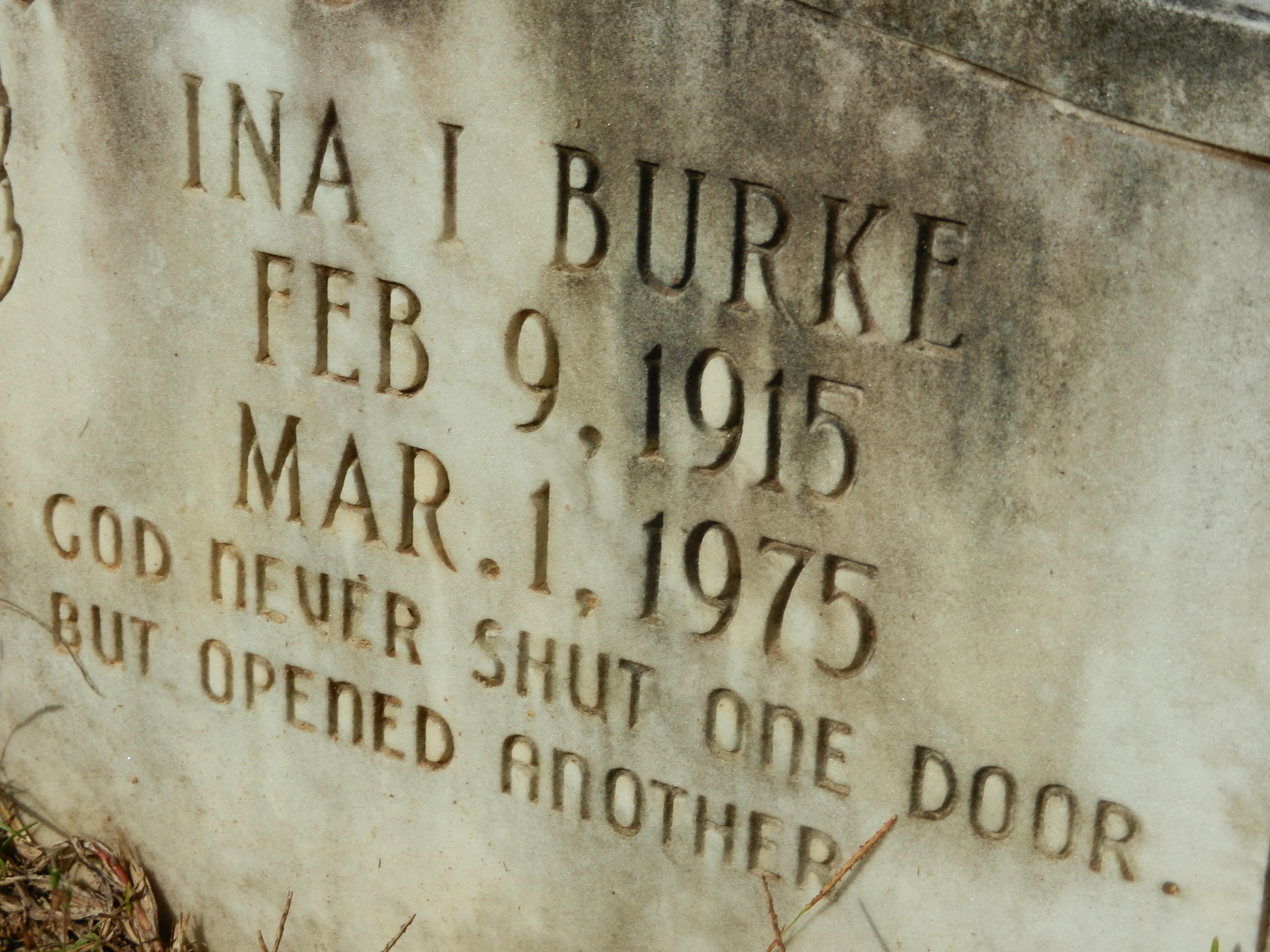
burke Ina Inez Burke headstone

And now back to my regularly scheduled life…

I’ve been working on a book since October and just clicked that fabulous little “send” button to ship the manuscript off to my editor. That is one of the two instances when an author can breathe for a moment. The other is when you click the “publish” button. Sigh.

Every time I reach either moment, I am reminded of the movie, “Romancing the Stone,” where Kathleen Turner places a five-inch thick, type-writer written, finished manuscript on her kitchen table, lights a candle, and pours herself a glass of wine. Maybe that is why I’m tempted to open that bottle of Crown Royal sitting in my cabinet.

Candle_and_Wine_Glass_by_TaoDragon

But do I relax and bask in the glow of the finished product?

No, of course not. I’ve spent the last four hours researching the Dalton Gang for my new book.

But, hey, I’ve learned a ton about the Dalton Gang today!

Dalton Gang

What I found interesting about them is they did not set out to be outlaws. They were all initially U.S. marshals. There were four brothers in the gang. One lived in California on his successful farm with his beautiful wife. His name was Bill, and he is not in the above Wanted Poster. I assume his wife wouldn’t let him go that day.

Anyhoo, he was involved in politics, and the local farmers were trying to keep the railroads from running through their farms. When his three brothers (the hotties pictured above) showed up, their manly testosterone levels escalated, and they came up with a plan to teach the railroads a thing or two. They attempted to rob a train, but being inexperienced, bumbling train robbers, the result was a total fiasco. They fled empty handed under gunfire.

Somewhere between that humiliating failure in 1890 and their terrible deaths in 1892 while trying to rob TWO banks – across the street from each other – at the same time – in broad daylight – which resulted in a shoot out – and most of the gang dying, their fine morals and upbringing obviously went astray. Boys will be boys.

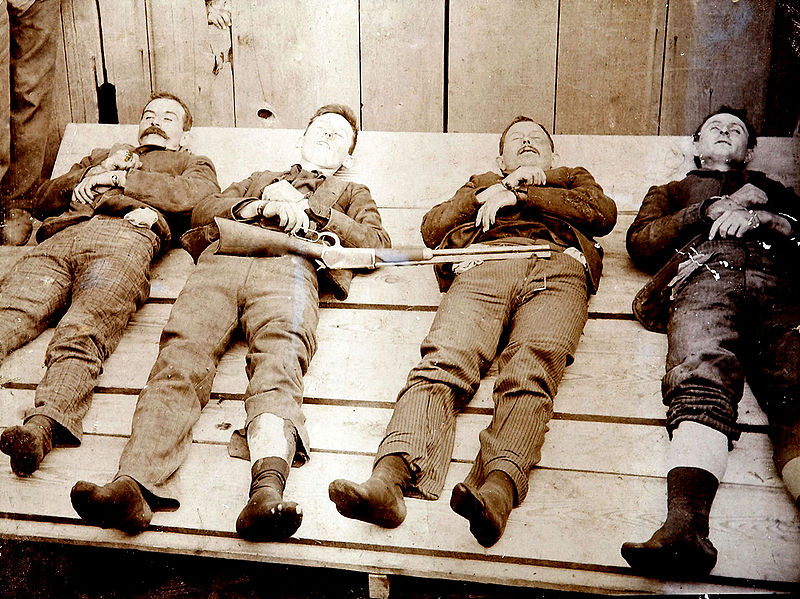
800px-Dalton_Gang_memento_mori_1892

The photo above is from Wikipedia. The middle two are Bob and Grat. (Emmett did not die that day, but he was shot over 20 times, survived, and spent 14 years in prison.) These boys were killed in the 1892 shoot out. Their boots were removed. They are all in handcuffs. Who took their boots?? And why are they handcuffed?? And what’s up with the gun in the photo?? So, they had a town photographer, but no town doctor to know if they were dead or not, hence the handcuffs??

Anyway, the book is not about them, it only starts with them. But I’ve had an interesting day researching them nonetheless.