52 Ancestors #29 The Musical Earl Culpepper

52ancestors-2015

This challenge is set forth by No Story Too Small and this week’s theme is “musical.”

Being a professional musician all my life, I’ve always given thought to where my musical talents came from. My mother sang in church. I have a great grandmother and a great great grandfather (different lines) who played a pump organ. I also have a great grandfather from Ireland who played the fiddle. But the one who usually comes to mind is my maternal grandfather Earl Culpepper.

culpepper Earl Culpepper

I have many fond memories of sitting on the front porch with him as he played his guitar and sang. Sometimes he’d even pull out his harmonica and use some contraption around his neck to hold it up to his mouth. He always sang “Hey Good Lookin'” by Hank Williams and sounded a lot like him.

Earl was born in Mississippi on Christmas Eve of 1914 to Sam Culpepper and Annie Blanks. He was the eighth child of the union and a girl follow him. At age 21, he married Ina Inez Burke and they had two daughters – one being my mother. Earl worked his whole life at the Burnley Shirt Factory in Meridian. After his wife died in 1975, he married a lady from the factory who was widowed. They married in 1977. Earl died 5 Mar 1994 at the age of 79 at Anderson Hospital following respiratory failure/aspiration pneumonia following a stroke. He was buried next to Ina at Liberty Baptist Cemetery, Duffee, Newton Co, MS. MS death cert no 9405973.

RIP pawpaw and thanks for the music! ♪♫♪

Amazon sale rumor, snippet, and a FREE book!

images

Word on the street is Amazon will celebrate its 20th anniversary on July 12 and will kick off a mega sale sometime during the week. I’ve heard they have asked for overtime by their staff, hired some temps, and notified their carriers that the volume of packages will double.

Update: Amazon has confirmed a huge one-day sale called Prime Day on July 15. Lightning Deals, seven Deals of the Day, and according to Amazon, more deals than black Friday.

Well…cool! 7,305 days we’ve been together and I still love you, Amazon!

I’d like to take you back in time to the War of 1812 with a snippet of my book ELLY HAYS. Elly’s husband has decided to move the family from Tennessee to the Mississippi Territory, the land we know today as Alabama. He wants to get his family out of the way of the coming war. Little does he know, the Creek Indians living in the place he wants to go are in the middle of a civil war, so he is completely wrong about the family’s safety. Too bad they won’t find that out until they get there.

I’d like to offer you a FREE Kindle copy of ELLY HAYS while your shopping the sale at Amazon July 12-16. Click here to visit the ELLY HAYS Amazon page and bookmark it so you can return July 12-16 and get your FREE copy.

*******************************

41n6zHpRqRL._UY250_War is Coming

“So, what are you saying, James? You want to pack all of our belongings, our animals, and our children, leave Tennessee, and move to some wild Indian territory that’s not yet settled?”

He sipped his coffee and nodded. “Yes, that’s exactly what I want to do.”

“What about the children? What about their school?”

“We’ll do what we have to do, Elly. We’ll school them ourselves if that’s what it takes. This is a great opportunity, and the timing couldn’t be better. The government is selling that land for next to nothing, and we’ll have twice the property we have here. Our farm will be twice as large, earning twice the money. And honestly, with what’s going on in the North, I don’t think we should stay here any longer. It looks as if we’re going to declare war upon the British. They’re already fighting up there, and I’m afraid the fighting is going to move its way down here. I would rather school the children myself than to take a chance on them living in the middle of a conflict, or worse, dying in it.”

She looked at him in disbelief and didn’t know what to say. He had a tendency to exaggerate, so she didn’t know if he was being truthful or purposefully saying shocking things about the children’s welfare to get her to agree to move.

He continued. “During the revolution, my father was too old to fight, but he housed many soldiers who related vile tales of death and destruction. He told me stories of the horrors. Men who weren’t killed or injured in battle often starved and died anyway. Women and children were often caught in the crossfire. I don’t want to sit here and watch history repeat itself. The revolution gave us our independence, but the British are still dominating and oppressing us. We still don’t have the freedom we desire. That’s what they’re fighting for in the north—freedom. I agree with what they’re doing, but I don’t want my wife and children caught in the middle. I think there’s going to be a second revolution. After what my father told me about the first one, I can’t help but be fearful that this one is destined to be the same.”

“Yes, I know the stories. I’ve heard them myself. But I don’t know about moving, James.” She shook her head as she lifted her skirt to stand. She walked away from the table and placed her coffee cup on the counter. “I don’t know how to pack all of our things and start all over. It seems impossible.”

He sipped his coffee again and grimaced. It had grown cold. He placed the cup down on the table and looked at her. “I don’t think we have a choice, Elly. The war is coming. We have a good opportunity right in front of us to avoid the whole situation, to start fresh, and to keep the children safe.”

She leaned her back against the counter and placed her hands on her hips. “What about Indians? Aren’t there Indians there?”

“Yes, there are, but I’m sure they won’t be any problem. Other people live amongst them. And besides, we’ll be buying the land from the government, not from the Indians. It will be our land, fair and square. At least we won’t find ourselves caught in the crossfire because the Indians don’t have guns. From what I’ve heard, they live off the land and keep to themselves.”

She sighed, knowing he would not let this go. He wanted an answer right now, but she couldn’t give him the one he wanted. She looked across the room and stared out the wavy glass of the window for a few minutes, trying to decide what to say. After a while, she folded her arms and looked at her husband. “All right, I’ll make you a deal. You go and look at the land, and if it’s nice and there are no Indians, I’ll agree to move there.”

***************************************

ELLY HAYS is FREE at Amazon July 12-16.

The Unknown Civil War Soldier

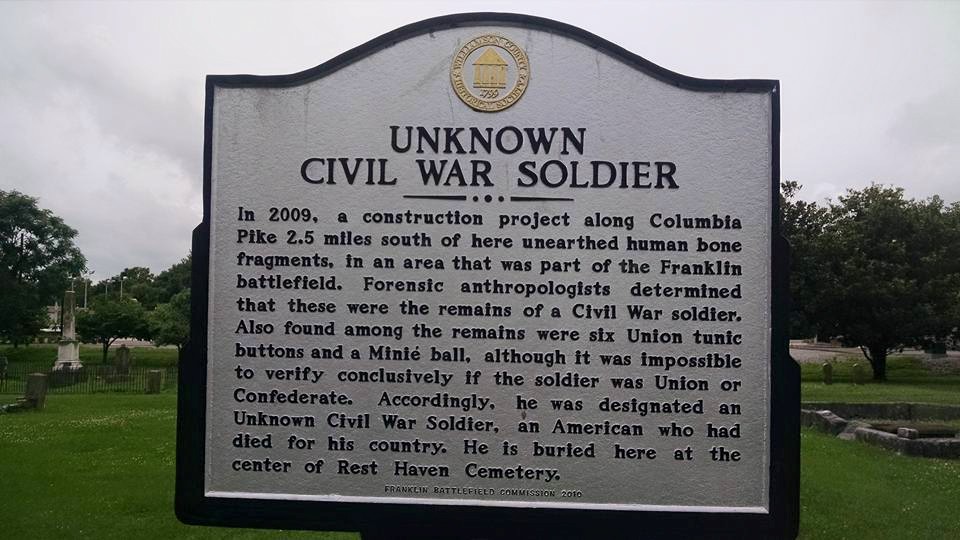
11695864_10153375657553326_8418079807619080794_nOn the 4th of July, Trophy husband and I went into Franklin, TN for a small-town celebration. As per our usual behavior, we got sidetracked on the way home and visited two cemeteries and a Civil War memorial site. One of the cemeteries hosted the tomb of an unknown Civil War soldier which I had seen in a local documentary on television. I’ll let you read the inscriptions on the photo and be back in a minute….

11218974_10153375658173326_4090147034318078111_n

11667315_10153375658323326_9069790119727326899_n

11665593_10153375658453326_549503689751552007_n

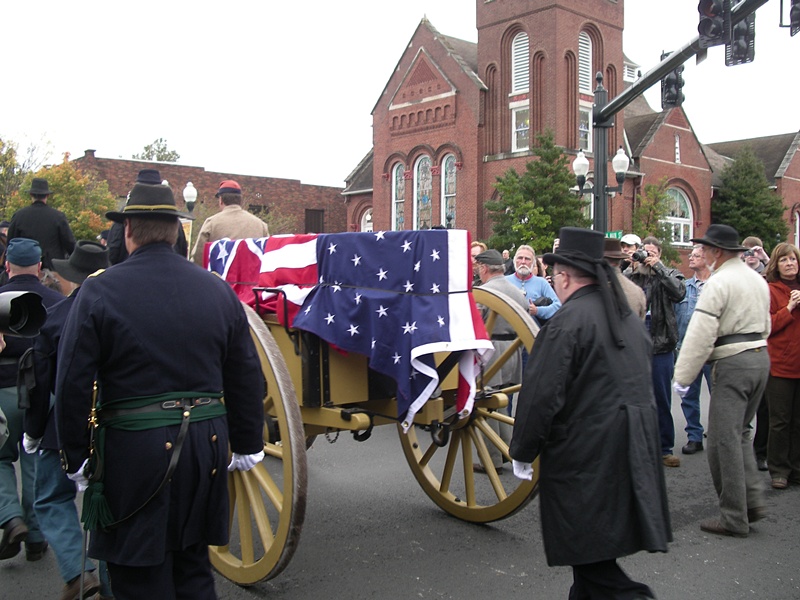
unknown18lgHere’s a photo I did not take of the events the day of his funeral. I love how the Confederate and Union flags were both draped across his coffin. You can see more pictures at CivilWarAlbum.com.

What has me so intrigued about this story is written on the bottom of the second sign, the one that starts with “Oct 10.” Two actual sons and a daughter were in attendance at the burial. Do the math. If the soldier was thirty when the war ended in 1865 and didn’t have this child until he was eighty in 1915, said son or daughter would be ONE HUNDRED right now in 2015. Just wrap your head around that for a minute. I wonder how many real sons and daughters are left out there. Can’t be too many.

Margaretta van Hesse from “John Culpepper, Esquire”

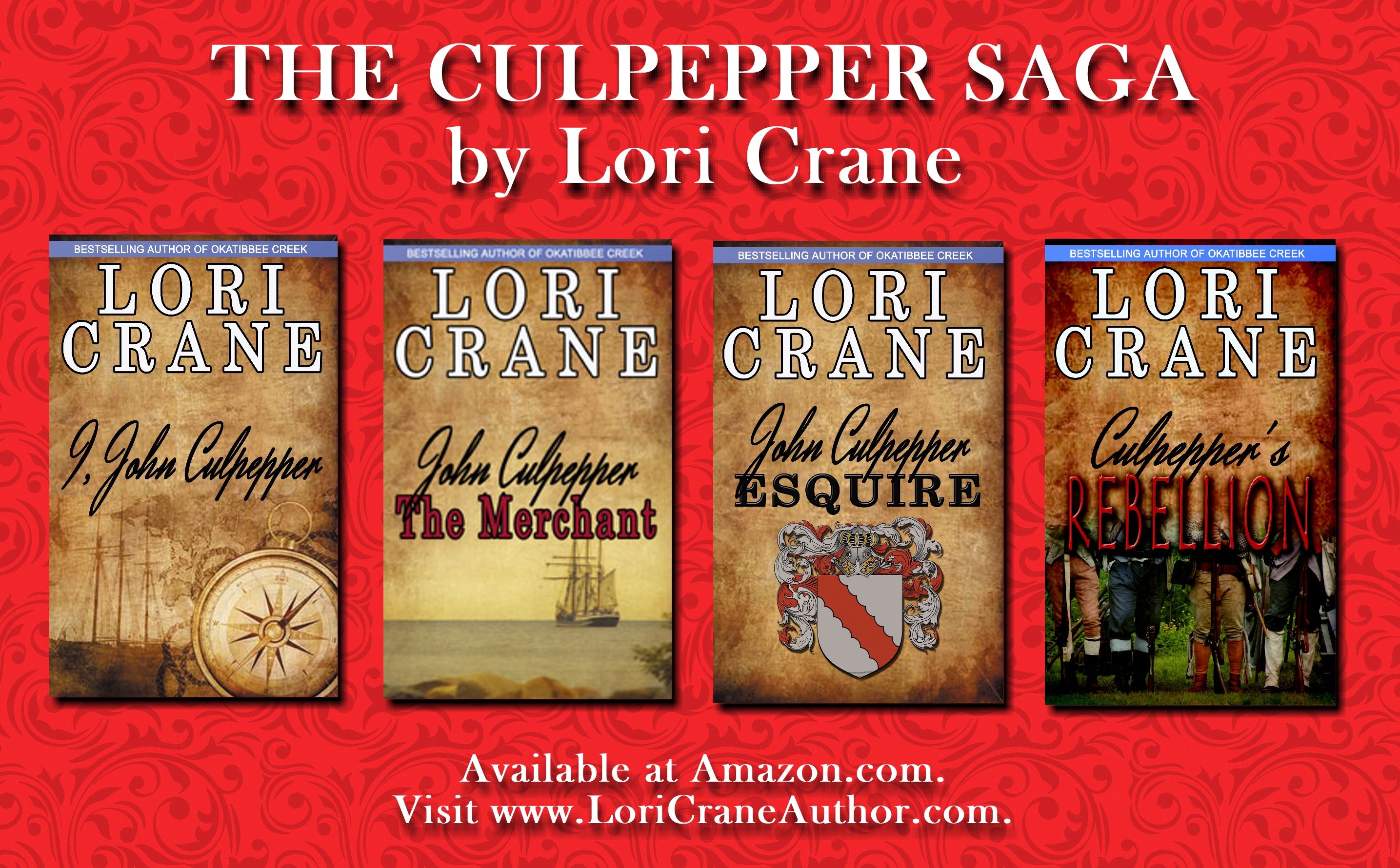
JC Esquire (1)In place of my usual Saturday Snippets, I’m writing about the people and places from the Culpepper Saga. The third book, “John Culpepper, Esquire,” will be released in July. If you missed books one or two, click HERE or HERE.

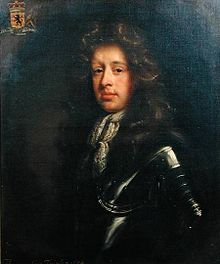
margaretta van hesse Lady CulpepperOne of the more tragic figures of “John Culpepper, Esquire” is Margaretta van Hesse, also known as Lady Culpepper (photo). She was an heiress from Denmark who married Lord Thomas Culpepper second baron of Thoresway in 1659 at The Hague. Lord Thomas (photo) was the son of Lord John Culpepper, known in the story as JC, cousin of our hero.

lord_thosFollowing the English Civil War, JC had taken his family to Denmark while he watched over the exiled prince, but when the prince was welcomed back into England in 1660 as King Charles II, the whole family moved back. Lord Thomas and his new bride took up residence at Leeds Castle. She was newly married, probably didn’t speak the language or understand the English customs, and Lord Thomas unceremoniously dropped her off at the castle and moved to London to live with his mistress Susannah Willis.

Fortunately for Margaretta, John’s nephew Alex was asked by JC to stay at the castle and help her get settled in. There is no proof of Margaretta and Alex having any sort of relationship, but there are a few strange coincidences that make me scratch my head.

Alex’s mom, Katherine, died in 1658.

LadyCatherineMargaretta, somehow without a husband around, gave birth to a daughter in 1670. The baby was named Catherine (photo). Hmmm.

In 1671, Lord Thomas appointed Alex the Surveyor General of Virginia and tried to send him away. Records show Alex in Virginia for a short time, but he almost immediately came back to England.

In 1689, Lord Thomas became ill and died in his house in London. Margaretta didn’t even find out about it until well after his death. His mistress had him buried. He left a will in favor of the mistress, but Margaretta had the will suppressed, making sure Catherine got everything. Before Margaretta went to court, with Alex along to assist her, Alex, now 58-years-old, quickly and conveniently married Lord Thomas’s sister Judith, who moved into Leeds Castle with them. The woman was old and died a year later.

Alex died in 1694 and in his will, he left everything to Margaretta. He was buried at St. Margaret’s Church in Bromfield, Kent, near the castle.

Margaretta never re-married. She died in 1710 at Leeds Castle and was buried at St. Margaret’s.

Thomas_Fairfax 5th baron of cameron, catherine culpeppers husbandA year after her inheritance, young Catherine married Lord Thomas Fairfax (photo) in 1690. Their children were: Thomas Fairfax, Henry Colpepper Fairfax, Katherine Fairfax, Margaret Fairfax, Frances Fairfax, Mary Fairfax, and Robert Fairfax. Family historians state that Catherine had all of her children baptized at St. Margaret’s and had built a family vault to bury her mother in. Nothing is ever mentioned about Alex’s connection or the fact that he is buried there also. Strangely enough, Catherine’s husband died the same year as her mother but was buried elsewhere.

Catherine died in 1719 at the age of 49. She was not buried with her husband. She was buried at St. Margaret’s with her mother and Alex.

The Culpepper Saga ends in the late 1670s, so we don’t learn about Catherine and Lord Fairfax, but in book two “John Culpepper the Merchant” their grandfathers were trying to kill each other during the civil war. I imagine their marriage was quite scandalous in both families, and I suspect there will be a juicy sequel about them coming this winter or early next spring. “The Culpepper-Fairfax Scandal” sounds like a good title.

culpepper saga-001

52 Ancestors #26 Sir Alexander Culpepper

52ancestors-2015

This challenge is set forth by No Story Too Small and this week’s theme is “Halfway.”

This was a difficult theme, and I looked through half-Indian ancestors, halfway to the furthest ancestor, taking up half my time in research ancestors, anyone with a name that included “half,” and every other angle one could think of. I eventually came up with Sir Alexander Culpepper of Greenway Court, Knight who made it halfway through the English Civil War. The war began in 1642 and ended in 1649. Alexander died at the battle of Bridgewater in August 1645. He was my 11th great uncle.

Alexander was the youngest son of John Culpepper of Wigsell and Elizabeth Sedley, born in 1570. His brothers included Sir Thomas of Hollingbourne and Johannes of Feckenham (my 11th great grandfather). He also had a few sisters. In 1603, he married Mary Scott St Leger, the widow of Anthony St Leger. She was quite a bit older than him and was probably already done birthing children by the time they married, so Alexander never had any children of his own. He did have a step-son who was nearly his age, and the man had a daughter named Katherine whom Alexander raised, actually naming her his daughter in his will. Technically, she was his step-granddaughter.

In his will, he also left his home of Leeds Castle (photo) to his nephew’s minor son (son of the above Katherine who married said nephew. Got that?). Anyway, he did this so if the royalists lost the war, the house wouldn’t be seized by the parliamentarians. Before he died, he changed his will to say if his nephew wasn’t alive to oversee the property, the son would not get the house. It would instead go to his cousin Lord John Culpepper the first baron of Thoresway. I don’t know why he did that. Lord John wasn’t even in the country. He was in Denmark and France guarding the queen and the royal children.

Leeds-Castle

In July 1645, Alexander rode to Bridgewater to help fight against Oliver Cromwell and General Thomas Fairfax and was killed there. I wrote about the battle in my book, “John Culpepper the Merchant,” and made him out to be a war hero, but the truth is he was 75 years old at the time and it is reported that he died of illness at Bridgewater, not of battle. At least he made it halfway through the war.

It’s Monday! What are you reading?

2a2It’s Monday! What are you reading?

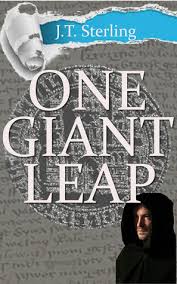
This week I read “One Giant Leap” by J.T. Sterling.


imagesThis story takes place in modern times and is the tale of party-boy Harlan Jasper who suddenly becomes the patriarch of the powerful Jasper family. We learn through very, very lengthy history lessons that the Jasper family has been around for thousands of years, and between the fictitious House of Jasper, the Plantagenets, the Iscariots (as in Judas from the Bible), and the Pope, they pretty much run the whole world. Looks like our party-boy is going to have to lay off the coke to be able to lead a family with this kind of power. I found the story to be a lot of fun—a mixture of genealogy, world history, and “The Da Vinci Code.”

From a creative standpoint, the book is full of grammatical errors such as “you’re” instead of “your” and “fowl play” instead of “foul play,” but the story moves pretty fast so you’ll skip right over most of them. One jarring thing is that the point of view changes on a dime, so you’ll abruptly find yourself in the head of a character on the other side of the parking lot.

If you like world history and conspiracy theories, you will love this book. It’s chocked full of them!

If you’re interested, check it out here on Amazon.

Governor Samuel Stephens from “John Culpepper, Esquire”

JC Esquire (1)In place of my usual Saturday Snippet for the next few weeks, I’ll be writing about the people and places from the third book in the Culpepper Saga, “John Culpepper, Esquire,” which will be released July 2015. If you missed the first or second books, you can see them HERE and HERE.

In the book, due to unforeseen circumstances, John finds himself as patriarch of the Culpepper family, suddenly with two young nieces to watch out for. He marries twenty-year-old Anna off to Christopher Dansby and eighteen-year-old Frances off to an up-and-coming politician named Samuel Stephens.

Samuel Stephens was born in Jamestown, Virginia in 1629. He lived on a 1350-acre plantation called Boldrup in Newport News, Warwick County, Virginia.

Upon Stephens and Frances’s marriage in 1652, she had only been in America for two years. She had been raised in great splendor in England as the Culpepper family were wealthy aristocrats, but following the English Civil War (1642-49) the family needed to escape from the country before they were beheaded. Her uncle John rescued them and brought them to Virginia. Needless to say, the amenities in Virginia were not quite the lands and manors Frances was accustomed to. Upon marrying Samuel Stephens, she surely reverted back to her rich comforts.

Stephens served as the Commander of Southern Plantation (later northeastern North Carolina) 1662-1664, and later became the governor of Albemarle (later North Carolina) from 1667-1669. He was the first native born governor in America. He died in office at the age of forty. They had no children. Frances inherited all of his wealth.

After his untimely death, Frances married Sir William Berkeley in 1670. Berkeley was the governor of Virginia and a childhood friend of her uncle John’s. He was nearly twice her age, but the two made a likely political team. In 1671, the Berkeleys sold Boldrup to William Cole, a member of the Virginia Council.

Today, Boldrup Plantation is a 42-acre historic archeological site and on the U.S. National Register of Historic Places and the Virginia Landmarks Register. The site includes the graves of William Cole and two of his wives.

52 Ancestors – #25 Ole Stennis House

52ancestors-2015

This challenge is set forth by No Story Too Small and this week’s theme is “The Old Homestead.”

There is a house in Lauderdale County, Mississippi that I would give anything to own. It was built in 1857 by sixty-one-year-old Hays Rodgers Sr (photo). According to the 1860 census, it looks like he had the help of thirteen slaves. It was the first plank house built in the area. Hays was my fourth great grandfather.

Rodgers Hays Sr

He died of typhoid December 1863, so he didn’t enjoy the house for long, and his wife died the following March. The children were grown and gone, most of the boys lost to the Civil War, so the house sat empty until well after the close of the war. In 1869 it was sold at auction on the steps of the Meridian Courthouse to Major Adam T Stennis (hence the name Ole Stennis House). It remained in the Stennis family for one hundred years but was abandoned and covered in vines toward the end of their ownership.

In 1970, the Hover family bought it and restored it. Mr. Hover told me the only thing he really needed to replace was the rotted front porch. The rest of the house was in good shape. I stopped by there in 2012 and he showed me all around. I didn’t feel comfortable taking pictures of the inside, but I snapped some photos as we left.

MS Cemetery 076

If he ever sells that house, I would love to own it.

Saturday Snippet – John Culpepper the Merchant

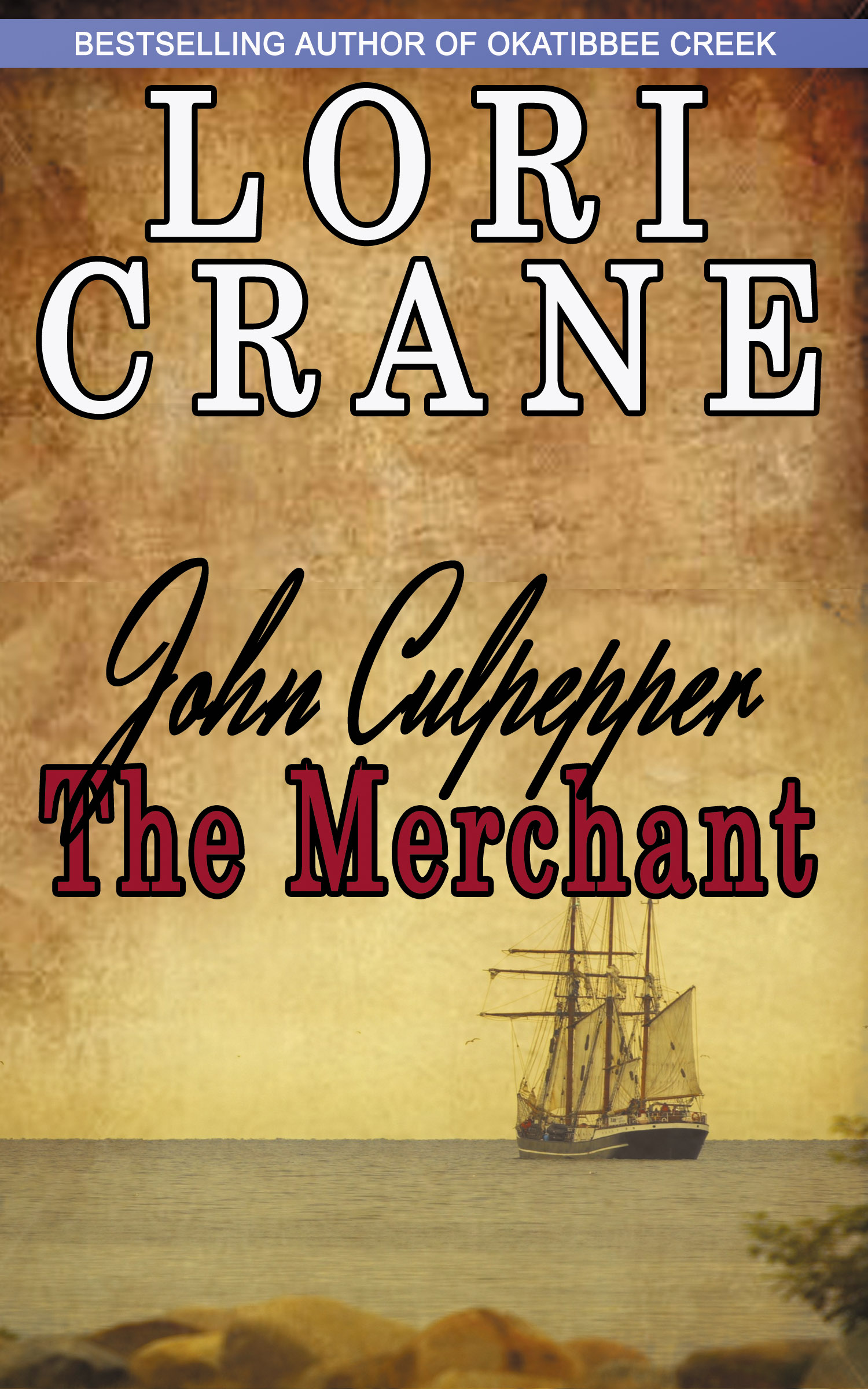
The Merchant ebookMy new book, John Culpepper the Merchant, takes place in the 17th century, both in the colony of Virginia and in the country of England. England was in the middle of a civil war, and John’s uncle, Sir Alexander Culpepper, was a knight in the king’s army. At the battle of Bridgewater, we witnessed how brave Alexander really was.

*********************************************

John Culpepper the Merchant

July 1645, Battle at Bridgewater

“Advance the second cavalry!” Goring commanded.

The second group galloped down the hill.

That’s when Alexander saw them on the other side of the stream. Fairfax’s cavalry appeared out of nowhere, crossing the ford with nothing to stop their advance. There was no clanging of armor as with a regular group of horse heading into battle. Alexander knew these soldiers weren’t in armor. The weight would slow down the horses. He had to admit, Fairfax was a brilliant commander. There was no thunder of hooves as the horses were not galloping. The approaching men were dressed in leather jerkins and moved to a strange and ominous sound of marching hooves and creaking leather. A menacing sound sure to make even the most courageous opponent question his bravery.

They advanced four abreast, knee to knee, with four more behind, and four more behind that. There had to be hundreds of them. They looked like demons rising from the very depths of hell, bent on killing each and every royalist. What happened to the day of fighting with honor and valor? When did the parliamentarians stop taking prisoners? When did they start killing every man who crossed their path? The Welsh soldiers were gone. The light guns were gone. The only thing standing between success and defeat were the three groups of horse, two of which were not faring so well against Fairfax’s army.

“Ready your swords, gentlemen!” Alexander yelled to his men who were waiting nervously at the top of the ridge. Nearly half his men were not professional soldiers but farmers. They weren’t used to facing anything this terrifying. He wasn’t sure he had ever faced anything this terrifying. “Steady…” He watched the horses below him advance across the ford, and far in the distance, he recognized a figure dressed all in black astride a white horse. Fairfax. Black Tom, the royalists called him. The man sat tall in his saddle at the back of his army, looking like Satan himself. Alexander felt his adrenaline rise. Today would be the day General Thomas Fairfax paid for his decision to abandon the king’s men. Today would be the day Black Tom took a sword through his black heart.

Alexander’s men waited and watched, their horses prancing nervously. Fairfax’s group of horses easily destroyed Goring’s first line, scattering the men about the marsh like scarecrows. Even horses lay dead. Alexander grimaced as he watched more men fall and some of the horses run off. The second group fought more diligently than the first and Alexander thought for a moment they could win the battle. That’s when he saw the next group of Fairfax’s men on horseback, larger than the first, crossing the stream, again four abreast. There had to be more than two hundred of them.

“Ready, men!” He yelled to his group of sixty men.

Their swords glistened in the sunlight. This would be the day of their greatest victory or their worst defeat.

Alexander took a deep breath, braced himself, and from the pit of his stomach he bellowed, “Charge!”

********************************************

John Culpepper the Merchant is available in Kindle and paperback at Amazon.

For pictures, paintings, and documents of the people and places in the series, visit the Culpepper Saga Facebook page.

culpepper saga-001

52 Ancestors #24 The Heirloom

52ancestors-2015

This challenge is set forth by No Story Too Small and this week’s theme is “Heirloom.”

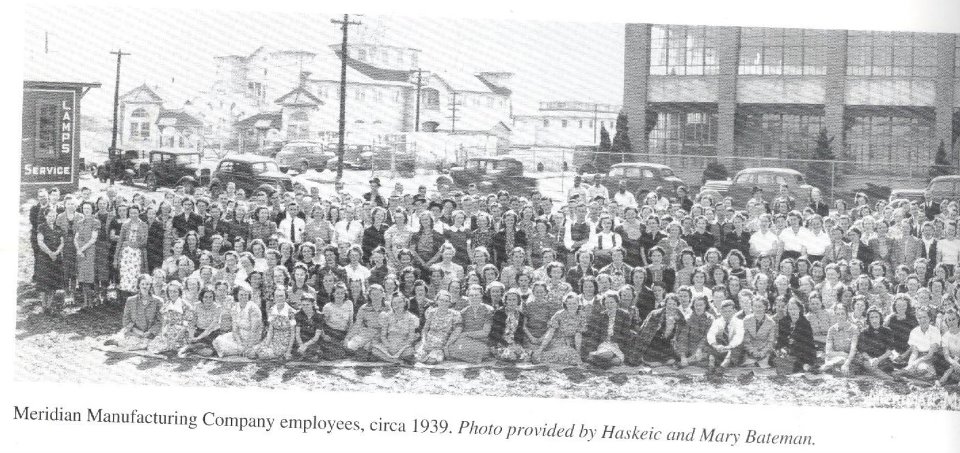
I wish I could say I have lots of old stuff, but alas, I have nearly nothing. I have my maternal grandfather’s old cigar box, and a silver makeup compact from my paternal great grandmother, but the most prize possession is now gone. For a while I had possession of my maternal grandmother’s sewing machine, but it was lost in a move years ago. She was an amazing seamstress and worked for the Burnley Shirt Factory in Meridian, Mississippi. I’m certain she’s in this Burnley employee picture taken in 1939, but it’s so small, I haven’t been able to find her. I don’t even know that I could even recognize her in a picture from 1939.

Burnley Shirt Factory 1939

She died at the age of 59 in 1975 and is still greatly missed. This is her, holding me.

Ina Inez Burke Culpepper 1915-1975

burke ina and gdaughter lori