Born August 15, 1828

Rice Benjamin Carpenter was born August 15, 1828 in Greene County, Alabama to Benjamin Carpenter and Nancy Rice Carpenter. He was the eighth of ten children.

In 1834, his family moved to Pine Springs, Lauderdale County, Mississippi for the low-cost land and fertile soil. Rice was six years old.

He married Mary Ann Rodgers in 1846. They were both seventeen.

They had five children – Martha Lettie, Benjamin Hays, William Travis, Charles Clinton, and MF – one girl and four boys.

After living with his friends Ebenezer and Sarah Miles in Pine Springs for a few years, in 1853 they bought 80 acres of land from Mary Ann’s father and began farming, but within a few short years, Rice realized he was a better merchant than a farmer, and by 1860 they had opened a general store in Marion Station, Mississippi.

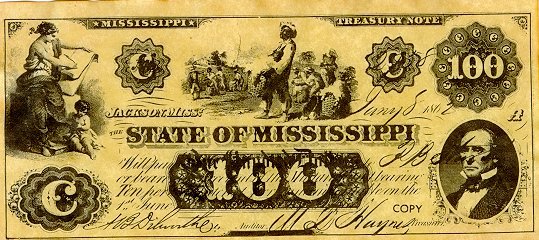
conf_money

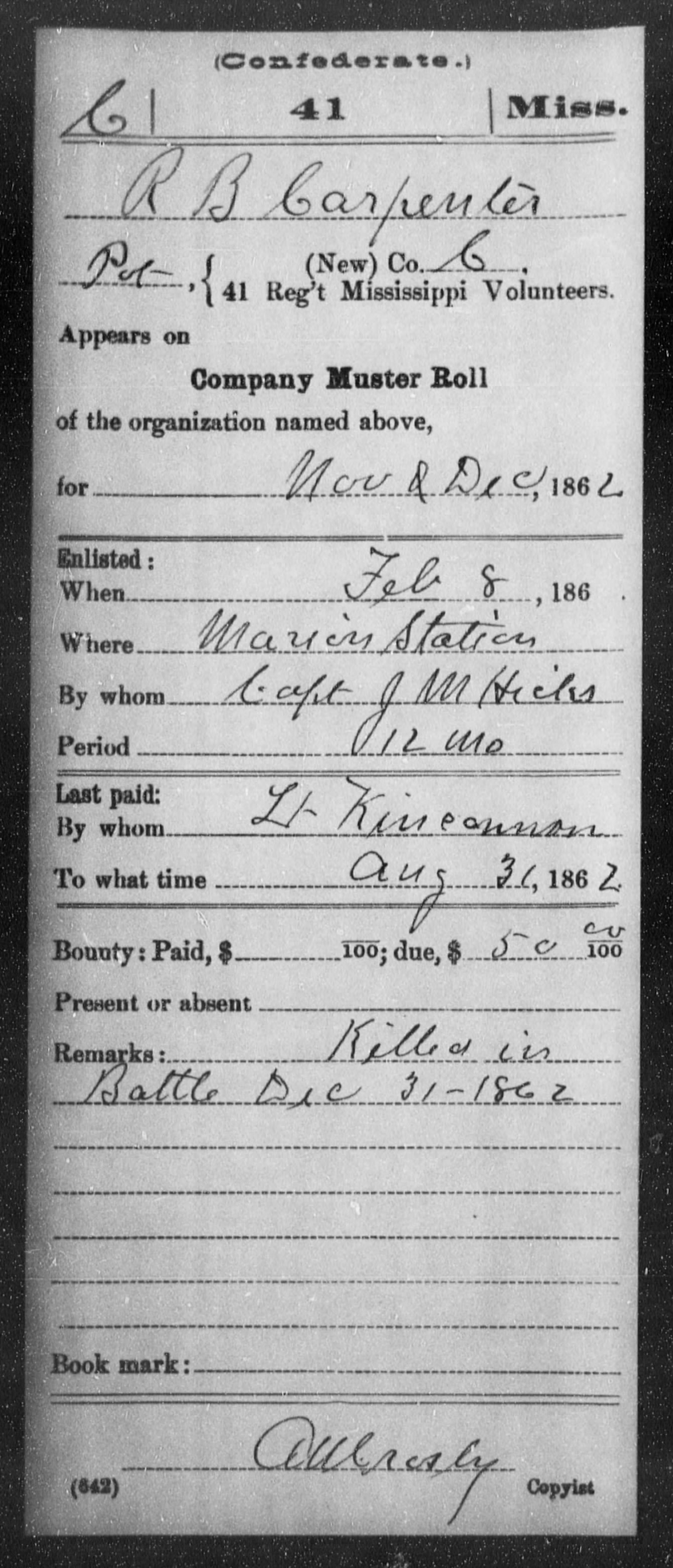
When the Civil War began, Rice signed up for the 41st Mississippi Infantry, Company C on February 8, 1862. This must have been a frightening time for the family, as Mary Ann was eight months pregnant with their last child who was born March 12th, 1862.

dec 2012 388

At dawn on December 31, 1862, amid limestone boulders and cedar forest, his infantry attacked the Union soldiers at the Battle of Stones River in Murfreesboro, Tennessee.

port-hudson

Private Rice Benjamin Carpenter died on that day on the battlefield at the age of 34, leaving behind his wife and children.

Page 5

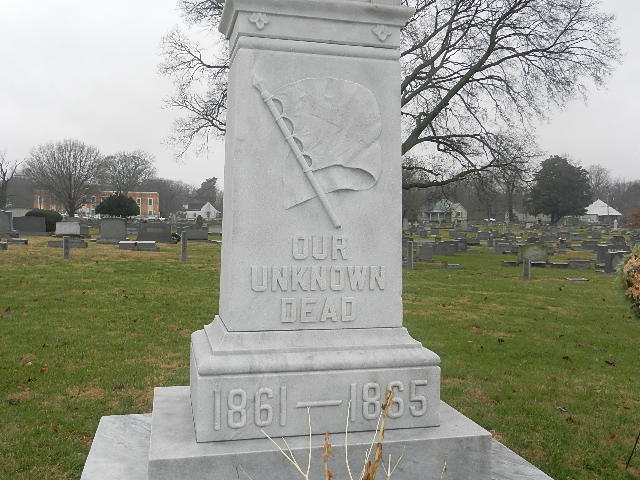
He is laid to rest at Confederate Circle, Evergreen Cemetery, Murfreesboro, Tennessee. RIP 3rd great grandpa. Rest well soldier, your job is done.

dec 2012 407

A portion of his story is told in my book, “Okatibbee Creek.” Available at Amazon.

okatibbee_cover front

Wednesday Writer’s Corner – Aug 7, 2013

In honor of my coming October book release of “Elly Hays,” today’s Writer’s Corner will be about the book’s heroine, Elizabeth Hays Rodgers, and how she came to be the center of a novel.

She was the only daughter of Samuel Hays and Elizabeth Priscilla Crawford, born in North Carolina in 1774. She spent her young childhood in the unrest of the Revolutionary War. She married when she was sixteen, and after twenty-one years of marriage and eleven children, her husband decided to uproot the family from Tennessee and start a new life in the Mississippi Territory. Considering what they were walking into, I had to write her story. A portion of it is below. It will help you understand that area of the country at that time in history.

The (unedited) Prologue

In 1811, America was on the verge of war. The victory in the Revolutionary War gave Americans their independence, but the newly formed country had many unresolved issues. Americans had a vast frontier to settle and they considered the land now known as Canada to be part of their land. They wanted to expand northward and westward, but the British joined forces with the Native Indians in an attempt to prevent the Americans from expanding in either direction.

The British had also begun restricting America’s trade with France and the mighty Royal Navy ruled the seas. The Royal Navy had more than tripled in size due to their war with France, and they needed sailors. They captured American merchant ships off the coast of America and forced the men with British accents to join the ranks of the Royal Navy, proclaiming they were not American, but indeed British. Kidnappings and power struggles in shipping ports like New Orleans loomed over the newly formed United States.

The British not only invaded the southern coastal cities of the United States, but also the eastern seaboard, attacking Baltimore and New York, and burning Washington D.C. to the ground. The War of 1812 is historically referred to as the second war for independence. It was the battle for boundaries and identity for the Americans.

Sadly, the Native American Indians had the most to lose in the power struggle. Shawnee warrior Tecumseh was but a child when he witnessed his father brutally murdered by a white frontiersman. His family moved from village to village and witnessed each destroyed at the hands of the white men during and after the American Revolution. As a young teen, following the Revolution, he formed a band of warriors who attempted to block the expansion of the white man into their territory, but the effort saw no lasting result. Conflict with the white man was a battle he had fought all his life, and as a warrior now in his early forties, he knew the stakes were high for the Indians in the coming battle. He traveled the southeast, coaxing the numerous Indian nations to unite against the white man, promising help from the British in the form of weapons and ammunition, and offering reinstatement of the Indian’s lost lands upon victory. Tecumseh’s prophet, who traveled with him into Creek territory, forecasted a victory, foreseeing no Creeks being wounded or killed in the battle.

In the Eastern Mississippi Territory, which later became the state of Alabama, the Creek Indians were divided. Many Creek villages had been trading with the white man for years and participated in civilization programs offered by the United States government. These Creeks had been taught the ways of the white man. They spoke English, could read and write, and even incorporated white man’s tools into their daily lives. They traded or were given gifts of plows, looms, and spinning wheels, and had no qualms with the white man. Many had married whites, and they did not want to join in the fight.

In opposition, many villages joined with Tecumseh, for they wanted to maintain their way of life, claiming the white man’s ways would destroy their culture. They had witnessed the white man encroaching on their lands, destroying their forests and villages, and polluting their streams. And probably, some suspected the white man’s intent was not co-existence but domination, for they had seen this come to fruition in the treatment of the black slaves.

In 1811 and 1812, tribal tensions were growing due to these differences in beliefs, and this caused a great war in the Creek nation called The Red Stick War. It was a civil war fought between the Creek people, but by 1813, it expanded to include the American frontiersmen and the U.S. government. At the height of the War of 1812, the Creeks were at war with nearly everyone, including their own people.

It was in this turmoil that a white farming family moved from their home in Tennessee to the fertile farmlands of the eastern Mississippi Territory, a place known today as Clarke County, Alabama. James Rodgers, his wife Elly, and their eleven children unknowingly entered a hornet’s nest.

If you have read the first book in the Okatibbee Creek series, “Okatibbee Creek,” you will be familiar with its heroine, Mary Ann Rodgers. “Elly Hays” is about Mary Ann’s paternal grandmother, Elizabeth Hays Rodgers, better known as Elly. If you have not read any of the Okatibbee Creek series, they are a collection of stories about one family and the strong women of our past. These are the real-life stories of my grandmothers, aunts, and cousins, but if you live in the U. S., they could also be the stories of your female ancestors – the women who fought for us, for our safety, our lives, and our freedom, and who sacrificed everything with the depth of their love and their astounding bravery.

Elly Hays will be release October 2013 in paperback, Kindle, and Nook.

elly cover_web

A to Z Challenge – R is for Rice

Blogging from A to Z April 2013 Challenge

R is for Rice

As with other blogs on my site, this is about my ancestors–the Rice family.

My 3rd great grandfather was Rice Benjamin Carpenter. He was born in 1828 and died during the Civil War serving the Confederacy at the battle of Stones River in Murfreesboro, TN on 31 Dec 1862. He left behind a wife and four young children. He is buried at the Confederate Circle at Evergreen Cemetery in Murfreesboro.

Page 5

carpenter rice

His first name came from his mother’s family—the Rice family. His mother was Nancy Rice, born born 1791 in NC. At some point around 1834ish, she and her husband, Benjamin Carpenter, packed up their home and five children and moved to Lauderdale Co, MS. After arriving there, they had five more children. Nancy and Ben both died in Lauderdale Co in 1870 and 1865, respectively.

Nancy’s father was John B Rice (I bet the B was for Benjamin). John was born in 1755 in NC and died there 29 Apr 1836. He married Elizabeth Hopkins, who was also born and died in NC. They had at least eight children in the late 1700s, including a son named Hopkins Rice. Is this getting confusing yet? John served in the American Revolution (pension no 59062). That makes at least 3 grandfathers of mine who served.

One of my genealogy buddies found the following in a Rice Family archive. It reads to be from a slave’s descendant.

My family history dates back to Nash County, North Carolina in 1787. A woman by the name of Chaney was born. Little is known about her background, but it is believed that she was the daughter of an African. I have done extensive research on the slaves of Hopkins Rice. It is believed that Chaney and her sister were given to the Hopkins Family of Nash Carolina. Peter Hopkins was the first Hopkins in his family to move to Edgecombe County, North Carolina. He was born in 1730. He married a woman named Wilmoth Fowler. She was born in 1747 in Wake County, North Carolina. She was the daughter of Joseph F. & Anne Fowler. The couple had known children: William Hopkins, John Hopkins, David Hopkins, Elizabeth Hopkins-Rice, and Susannah Hopkins-Russell. The Hopkins oldest daughter, Elizabeth, married a Revolutionary War Hero named John Rice. He was born in 1755 in Bute County, North Carolina. They moved to Nash County, North Carolina and purchased about 800 acres of land on Lee’s Creek. They couple had about eight children.1. John Rice, 2. William Rice, 3. Elizabeth Rice-Richardson, 4. Nancy Rice-Carpenter, 5. Mary Rice-Marriott, 6. James M. Rice, 7. Benjamin Rice, 8. Hopkins Rice. Chaney was brought to this plantation, but it is unsure exactly when. However most of her children were born on the Rice plantation. There is a strong possibility that she had more than five children, but it is uncertain. In the early 1800’s John Rice deeded Chaney and her children to his son Hopkins Rice and his wife Jane. In the early 1820’s Hopkins and his family migrated to Greene County, Alabama by way of Georgia. They purchased land in 1828, where the estate grew in the Clinton and Pleasant Ridge areas. In the later years, some of the Rice’s were sold to various plantations. One of Chaney’s sons, Anderson, was sold to Eldred Pippen. Also three of her great grandsons were sold. Jesse Rice was sold to Gaston Wilder of Pickens County, Alabama. Richard “Dick” Gilmore was sold to William Gilmore of Mantua. The last son was sold to a Harkness, whose name is not known.”

John’s father was Jared or Jerret Rice. He was born around 1730. He married Lettie Potts and they had at least six children. They lived in NC. My second great grandmother (Rice Benjamin Carpenter’s first child) was Martha Lettie Carpenter Blanks. I always wondered where the name Lettie came from. Now we know.

Happy Birthday, Elvis!

Happy Birthday to Elvis Aaron Presley! He would have been 78 years old today. Wow!

 600 (2)

Here’s some ancestral facts you may or may not know about the King.

He was born a twin, but his brother Jessie Garon Presley was still born.

Jessie is buried in an unmarked grave in Tupelo, MS but has a marker on the grounds of Graceland.

 presleyjessiegaron

Elvis was named after his father, Vernon Elvis Presley.

Jessie was named after his grandfather, Jesse Dee Presley.

Grandpa Jesse was also a recording artist.

 600

Elvis, his father, and grandfather were born in Mississippi, but his great grandfather, Dunnan Presley, was born in Tennessee, and his second great, Dunnan Sr., and third great, Andrew Presley, were born in North Carolina.

Elvis died in 1977, his father in 1979, and his paternal grandmother, Minnie Hood Presley, in 1980. Along with his mother, who died in 1958, they are all buried on the grounds of Graceland.

Minnie Presley

minnie presley

600 (1)

 RIP Presley family

Sheee’s Baaaaack!

Hi Y’all! I’m back from vacation. Happy New Year to you all!!

A few interesting things happened while I was on vacation.

First, in case you missed it, my book “Okatibbee Creek” came out in paperback. Check it out on Amazon here. If you’re a Kindle fan, the Kindle version will be out in a week or so.

The interesting thing about the book release is watching the progress, which is like watching a horse race. The Amazon ratings, which are generated by some incomprehensible algorithmic computer program, shows my book jumping up and down between 60k and 380k on the best selling list. I swear it changes by 10k in the two seconds I’m looking at it. The ratings of “books released in the last 30 days” are a little more stable. I’ve been bouncing between 25 and 35 in the historical fiction category for the last week. Out of over 1000 historical fiction titles released in the last month, that’s not too bad.

okatibbee_cover front

Next interesting thing. I went to Biloxi, MS for a few days and found that 50% of the beachfront is still vacant since Katrina went through seven years ago, and it’s all for $ale. I didn’t know it was possible to purchase beachfront property any more, but apparently it is! And while it’s not cheap cheap, it’s still relatively affordable – about $1 million per acre. Not a bad price for beachfront. Yes, I’m thinking about it.

dec 2012 223

Next, I didn’t know New Orleans was so close to Biloxi – only an hour and a half away. So, we sauntered down to the French Quarter for an afternoon. Gumbo and Beignets!

dec 2012 258

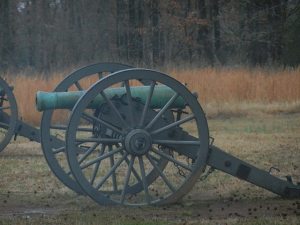
Following our Bourbon Street party, we went up to Murfreesboro, TN to see the 150th anniversary reenactment of the battle of Stones River. It was a cold, rainy day – just like the day of the real battle 150 years ago. I walked the land where my third great grandfather died on December 31, 1862 – which happens to be a large part of my above mentioned book. The only word to describe the experience is “humbling.”

dec 2012 388dec 2012 394dec 2012 397dec 2012 407

RIP Private Rice Benjamin Carpenter, 41st Mississippi Infantry, Co C.

One more picture – the REAL Okatibbee Creek!

dec 2012 135

The Blood in My Veins

Throughout the work on my last book, I became more and more interested in the organization called the UDC – The United Daughters of the Confederacy.  On their website, the president, Mary Nowlin Moon, writes the following: “I am a Daughter of the Confederacy because I was born a Daughter of the Confederacy.”

That is my heritage also – a few times…

My book called “Okatibbee Creek” (available at Amazon.com) is about my 3rd great grandfather, Rice Benjamin Carpenter, who fought for the CSA (Confederate States of America) as a member of the 41st MS Infantry during the Civil War. Rice was born 15 Aug 1828 in Greene, TN. He signed up for battle in Marion Station, MS on 21 Apr 1862, and sadly, was killed at the Battle of Stones River in Murfreesboro, TN on 31 Dec 1862 at the age of 34. He was married and a father of five children. (His brother, Hilliard, also fought and died for the cause. He died at home on 16 Jul 1864 following wounds he received in battle on 28 May 1864 at Dallas, GA.)

I also have a 3rd great grandfather, William Lafayette Brown Jr, who fought for 37th MS Infantry. William was born 30 Oct 1836 in Lauderdale Co, MS. He signed up for battle on 8 May 1862 in Enterprise, MS at the age of 24, with four small children at home and one on the way (my 2nd great grandmother). William was a sharpshooter, guarding the railroad bridges in Chunky, MS from the Union troops. He was captured and escaped. He allowed himself to be captured a second time to help others escape. He/they did. There was a bounty on his head for the remainder of the war. He returned home when the war ended and lived until the age of 52. He died in Lauderdale County, MS on 23 Sep 1889. He was married and fathered ten children.

There’s another 3rd great grandpa: James C Howington. James was born in Wake County, NC on 15 Jan 1823 to Nimrod Howington and Milbury Bradley.  He was the second born of thirteen children. He was 5′ 11″ and had auburn hair and gray/blue eyes.

At some point, he ended up in Sumter Co, AL and married Amelia “Ann” Smith on 24 Sept 1843. By 1850, they had taken up residence in Newton Co, MS and had ten children before the start of the Civil War. James signed up with the 5th Mississippi Infantry, Co. A, on 7 July 1862. He was captured 15 Jun 1864 and held prisoner at Rock Island, Illinois. When the war ended, he returned home and they had two more children.

james c howington pow

howington James C Howington Headstone

I have yet another 3rd great grandfather, Joseph M Culpepper, who fought also for the 37th MS Infantry. Joseph was born in 1822 in Jackson, GA. He signed up in Marion, MS on 11 Apr 1862 at the age of 40. His records show that he was continually absent due to illness. He did not fight much, but died in battle on 15 Aug 1862 at Columbus, MS. He was married and a father of six children, two of whom were young boys also serving in the war.

The Rebel I filled out my UDC application under was my 2nd great grandfather, Joel Bluett Culpepper, 17-yr-old son of Joseph M Culpepper. JB and his brother, Benjamin, fought with the 63rd Alabama Infantry. JB was captured by Federal Forces at Blakely, AL on 9 Apr 1863 and held at Fort Massachusetts on Ship Island until the end of the war. He came home and married and had six children. At the end of his life, he lived at Beauvoir, the Jefferson Davis House in Biloxi, MS, under his rights as a Confederate Soldier. He died at Beauvoir on 11 Nov 1911. (The following photos are: CSA Military Record, Fort Massachusetts, Beauvoir pre-Hurricane Katrina, JB Culpepper, headstone.)

Even though I live in Michigan now, I have proudly been accepted as a member of the United Daughter of the Confederacy, Robert E Lee Chapter, in Meridian, Mississippi, where I was born. I am honored and humbled by the acceptance as well as by my heritage. The Rebel blood in my veins is strong. I can no more deny my place in the Daughters of the Confederacy than I can deny being an American.

We protect our future by remembering our past.

Photo take 26 Aug 2012 at the Jackson, Michigan Muster, the re-enactment of the Battle of Stones River 1862.

Ancestry – or Why I’m So Jacked Up – 3rd Great Grandparents 1&2

If you’ve never considered the exponential growth of your ancestors, let me break it down for you. You have 2 parents, 4 grandparents, 8 great grandparents, 16 great great grandparents and 32 great great great grandparents. Considering I’m at the section of my blog containing 32 great great great grandparents, I think I’ll just write a bunch of blogs and not try to put them all into one.

That being said, this blog is about my great great great grandparents:

Mary Ann Rodgers Carpenter Jolly and Rice Benjamin Carpenter.

Rice Carpenter was born to Benjamin Carpenter and Nancy Rice in Greene, Alabama on 15 Aug 1828. He was the eighth born of ten children, with six sisters and three brothers. The five eldest children were born in Franklin, North Carolina. The five youngest were born in Greene, Alabama. In 1834, family and friends (Richardsons, Alfords, Sanderfords, and Tutts) moved on a wagon train from Greene Co, AL to Lauderdale, MS for the low-cost land and fertile soil.

Rice married Mary Ann Rodgers in MS in 1846 at the age of 18.

Rice and Mary Ann had five children; Martha Lettie “Mattie”, Benjamin Hays, William Travis, Charles Clinton “Charlie”, and a son whose initials were M.F. William Travis died in 1856 at the age of two, and M.F. died at the age of one in 1863.

Rice was a farmer for a while, but by 1860 became a merchant, and he owned a general store in Marion Station, MS, which is now known as Marion. During the Civil War, he signed up for the 41st Mississippi Infantry, Company C, in 1862 and left Marion Station in May. On 31 December 1862, Rice was killed in battle at Murfreesboro, TN.

Image

Mary Ann Rodgers was the tenth child of Hay Rodgers Sr and Mary A Scott. They had fourteen children; including two boys who died in 1834 at the ages of eight and ten of either an illness or an accident (Mary Ann was six years old at the time), and they had three sons who died in the Civil War between 1862 and 1864.

Mary Ann was 18 when she married Rice. December 1862 through March 1863 was an awful time for her. Her father, Hays, died a few weeks before her husband, Rice. Then her infant son, M.F., died a month later. Then her mother died a month after that. At the time of Rice’s death in 1862, she had fourteen year old Mattie at home, and her three sons were eleven, four and one. She was alone, running a store that was more than likely running out of supplies. The Confederate Dollar was losing value. Her children were probably hungry, with no farm or men in town to plant and harvest. She had lost her husband and three brothers to the war. She also lost her parents, her infant, and a host of brother-in-laws, sister-in-laws, nieces and nephews to typhoid, which was spreading through Lauderdale County.

In February of 1864, she married William Eades Jolly. William had been married to Rice’s sister, Harriet. Harriet died in January of 1863 of typhoid and left William with four children to raise alone. Mary Ann and William were brother-in-law/sister-in-law, but Mary Ann needed someone to feed her children, and William needed someone to run his household while he worked on his farm. It was apparently a good arrangement for them, as they had three more children together; Alice, Sarah, and John Eades.

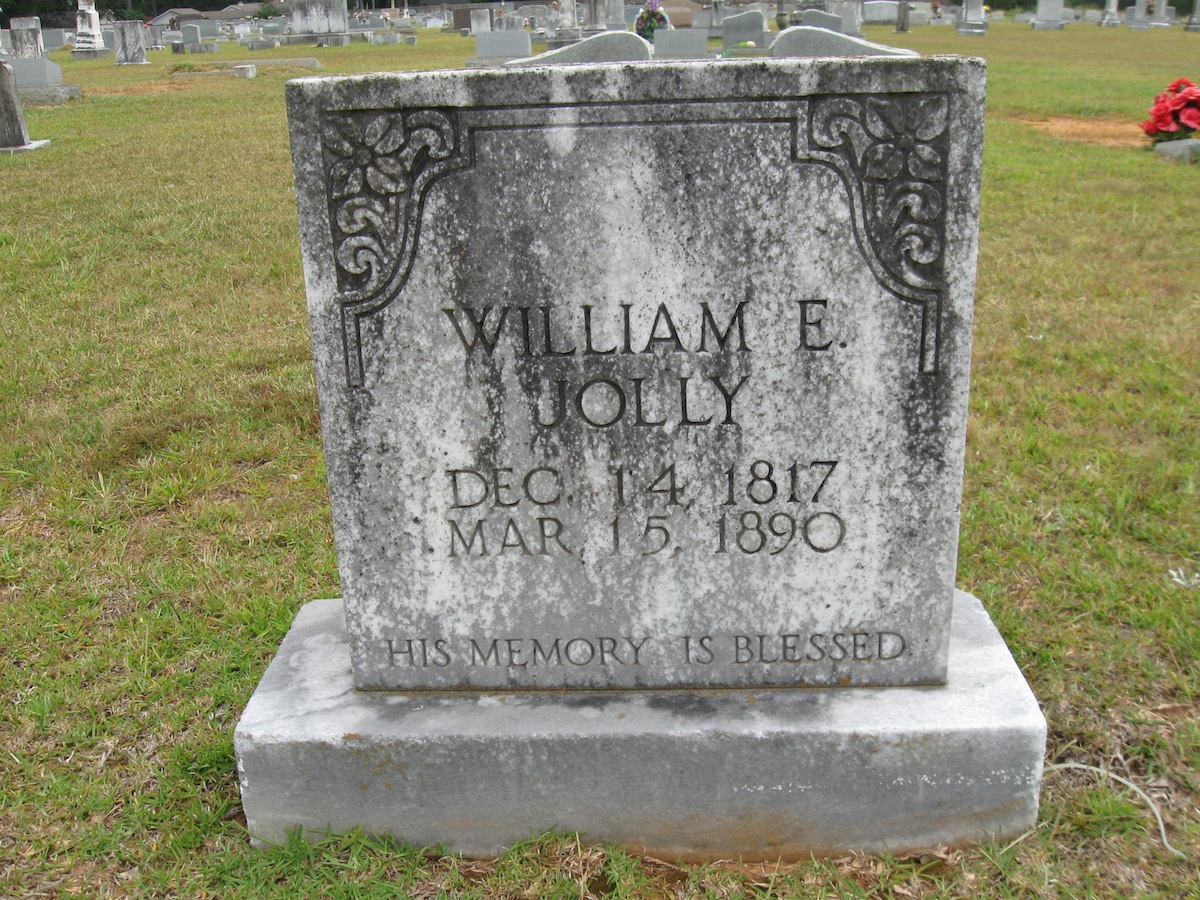
William died in 1890 at the age of 72 and is buried in Memorial Park Cemetery, Union, Newton Co, MS.

Image

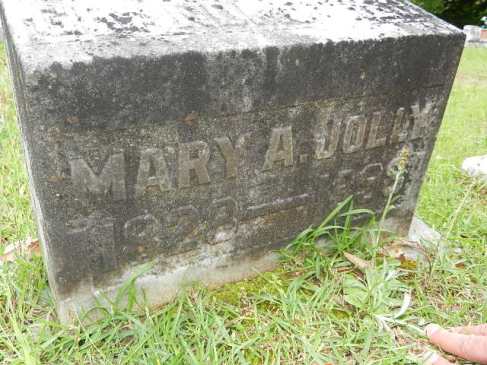
Mary Ann died 8 years after William on 18 July 1898 at the age of 70. She is buried next to her youngest son, John Eades Jolly, at Bethel Cemetery, Nellieburg, Lauderdale Co, MS.
Image

Mary Ann had 13 siblings. They were Lewis, James, Allen, Jackson, Susannah, Stephen, William, Timothy, Hays Jr, Wilson, John W, Elizabeth and Martha Jane. If you are a descendant of Hays Rodgers (Mary Ann’s father) or would like to know more about the family, please join us at http://www.facebook.com/DescendantsOfHaysGRodgersSr .
Ancestry – or – Why I Am So Jacked Up – Parents and Grandparents

That title is a total fabrication. In reality, I come from strong, sturdy stock. My ancestors hail from England, Ireland, Scotland, and places of incredibly hardy men and women in Virginia, North Carolina, South Carolina, Alabama and Mississippi. I’ve studied my ancestors for about 25 years and have built up quite a collection of information, pictures, certificates and documents. I need a place to put all this stuff. How about here?
Let’s start with mom and dad…

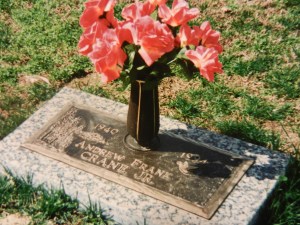
Father: Andrew Frank “Andy” Crane II 1940-1994. Andy was born in Mississippi and died of complication of a pituitary tumor removal in Tennessee at the age of 54. He married my mom in 1960 at age 19. They divorced when I was small, and he married another woman and had 2 sons. I have no full-blooded brothers or sisters, but I do have 2 half-brothers from his second marriage, along with 2 sister-in-laws, 3 nieces and 2 nephews.

Daddy

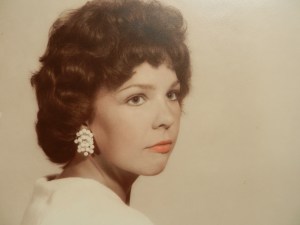
Mother: Linda Faye Culpepper 1944-2001. My mother was also born in Mississippi and was 15 when she and my dad were married. She gave birth to  me at age 18. After their divorce, she moved to Michigan with her second husband, dragging me to the snow and ice. She made her living as a nurse. She died in Michigan following a fall from her balcony at the age of 56.

Momma

Grandparents:

Andrew Frank “Frank” Crane I 1903-1979  and Margaret Azalea Pickett 1919-2006

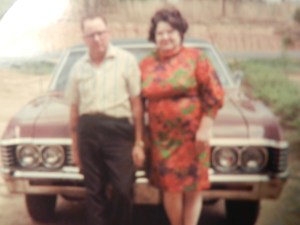
Frank and Azalea were both born in Mississippi. He died in Mississippi at age 76, and she died at age 87 in Florida while living with her daughter. Grandpa Frank was the strong, silent type. He was quite a bit older than his wife, and as I remember, was already retired when I was small. “Miss Crane” (she would not allow us to call her “grandmother”) was a nurse. I don’t remember much of them due to my move to Michigan. I only saw them on summer vacations, but spent most of my time there with my cousins (who lived next door) and Miss Crane’s mother (who lived next door to my cousins).  Grandpa Frank was married previously and had two boys and two girls in the 1920s and 1930s. He and Miss Crane had one boy and one girl in the 1940s. The girl, my aunt, had three daughters (yes, the cousins who lived next door). Sometime in the early 2000s, my aunt and Miss Crane moved to Florida. Frank is buried in the family cemetery in Mississippi, and Miss Crane has a headstone there also; however, her ashes remain with her daughter in Florida.

Apparently, Ms Crane was not the most “domestic” woman in the world. I heard a story that my mother went to the house and found Ms Crane “mopping” the kitchen floor by using the hose from outside to “wash” it and mopping it out the back door.  😀

Grandpa and Miss Crane

Frank with brothers Horace T. and Thomas Jackson “Tommy”

Earl Wilmer Culpepper 1914-1994 and Ina Inez Burk 1915-1975

“Papaw” and “Mamaw” were both born and died in Mississippi. They married in 1937 and had 2 daughters who were 7 years apart in age. I seem to remember my mother saying there was either a boy stillborn between them or that she was the twin of a stillborn boy. I can’t find any documentation of this, and there is no one left to ask.

My aunt married and had three boys. While my aunt was delivering her third boy, my mother babysat the older two boys. They were 2 and 3 yrs at the time. After spending a week with two toddlers, my mother said, and I quote, “I will never, ever have children.” Nine months to the day after the third boy was born, I was born. Never say never.

Mamaw was a seamstress at the local shirt factory, and Papaw work in the shipping department. She was a fabulous cook, which is what killed her. She died of complications following open heart surgery at age 59. Papaw married a lady from the factory after Mamaw’s death, and we kind of lost track of him after that. He was pretty involved with his new family (the lady had 2 teenage daughters still at home).  He loved to fish and hunt and play his guitar and drink. He died following a stroke at age 80. Mamaw and Papaw are buried next to each other in Newton County, Mississippi.

Story: Not only did Papaw like to fish and hunt, there is also a story that he liked to walk down to the swamp in the dark and catch big frogs. I guess one day when he returned, Mamaw was not happy with him for some reason, perhaps just wondering where he had been. So, to show her what he had been doing, he dumped the bucket of live frogs on the kitchen floor. I can just imagine big frogs jumping around the kitchen.

Papaw and Mamaw

Me and my 3 boy cousins with Mamaw and Papaw

Coming Soon: Ancestry – or- Why I Am So Jacked Up – Great Grandparents

Featuring – The Great Grandparents!! Don’t miss the stories of  the Irishman, the Choctaw Indian, the moonshiner who went to prison for murder, a picture of baby grandpa, and the sad, sad story of the young woman who died three months after her 10 month old son died. Was it suicide, medical negligence, or as the death certificate says, acute melancholia?

Stay tuned…