52 Ancestors #3 Mary Ann Rodgers

52ancestors-2015

This challenge is set forth by No Story Too Small, and this week’s theme is “Tough Woman.”

This week’s theme was an easy one for me. I’ve written about her before, as a matter of fact, I’ve written a whole book about her, but the theme dictates that I must do so again.

My #3 ancestor is my third great grandmother, Mary Ann Rodgers.

Rodgers, Mary Ann Rodgers Carpenter JollyShe was just a name in my family tree. Mary Ann Rodgers Carpenter Jolly. My third great grandmother. 1828-1898. I visited her grave at Bethel Cemetery in Mississippi in 2012, and my husband asked, “Now, who is this again?” I sat with him at the foot of her grave and told him her story.

I first discovered she lost her husband, Rice Carpenter, in the Civil War in 1862. How sad to lose the one you love, but hey, it’s war, people die. After he died, she remarried in 1864.

I looked at the 1870 census and found she married William Jolly and was living with his children, her children, and three children they had together. It was a house-full! But at least their three children were proof they must have liked each other, right? That’s good. I was interested in where William came from, so I traced him back and looked at his 1860 census. In 1860, he was living with his wife Harriet, their four children, and a woman named Nancy Carpenter who was 69 years of age.

Nancy Carpenter? The only Nancy Carpenter I know is Rice’s mother. Why was Mary Ann’s mother-in-law living with her future husband in 1860?? Were they neighbors? Was Nancy the cleaning lady? I clicked on Nancy Carpenter and saw her relationship to the “head of house” was listed as “mother-in-law.” She was William’s mother-in-law? What?? She was Harriet’s mother?

So, I went back and looked at Rice’s family, and sure enough, his sister Harriet was married to William. Rice died 31 Dec 1862 and Harriet died a month later of typhoid on 30 Jan 1863. Their spouses, Mary Ann and William, brother-in-law/sister-in-law, married in 1864. Well of course they did. They had known each other for many years, hadn’t they?

The more I looked at the Rodgers and Carpenter families, the more I was amazed by the sheer number of family members they lost to war and typhoid. At the time of my research, I remember counting SEVENTEEN, but I’m sure there were many more I missed. I couldn’t wrap my head around that kind of heartache and quickly became impressed with Mary Ann’s strength. How would you react if you lost two or three family members this year? You would probably need Prozac. How would you respond if you lost a dozen? I wouldn’t even be able to get out of bed. Seventeen in one year? I can’t even fathom that.
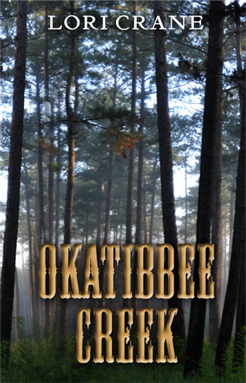
okatibbee creek cover front JPEGWe all come from these strong women. We are the living proof of their strength. If the boat sank, the story would be over. But it didn’t, and we know that because we are here. We are the survivors. I dug deep down in my heart and soul and decided to tell her story, a story she would be proud of. I wanted her to know that she didn’t endure all of that heartache in vain. I am here. I am her legacy. Her story has been told to make us see the strength in our own hearts. We are the products of strength, fortitude, and integrity, as well as tears, heartache, and pain. We are the children our grandmothers fought so hard for, and I want Mary Ann to be as proud of me as I am of her.

Lori Crane Books at Amazon You may also want to pick up a box of Kleenex.
 

52 Ancestors #2 Lord John Culpepper 1st Baron of Thoresway

52ancestors-2015

This challenge is set forth by No Story Too Small, and this week’s theme is “King.”

Women of my Culpepper line are traced back to King Charlemagne, so I could have taken the easy way and simply wrote about him, but let’s take a road less traveled, shall we?

My 12th great grandfather was John Culpepper of Wigsell. He had four sons: Thomas, William, John (my 11th great), and Alexander. The eldest son, Thomas, had a couple sons, but none with greater ties to THREE Kings than:

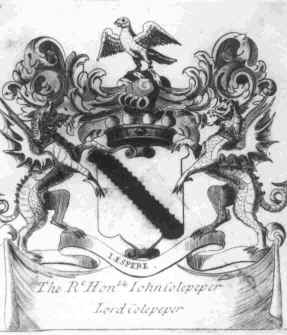
Lord John Culpepper, First Baron of Thoresway

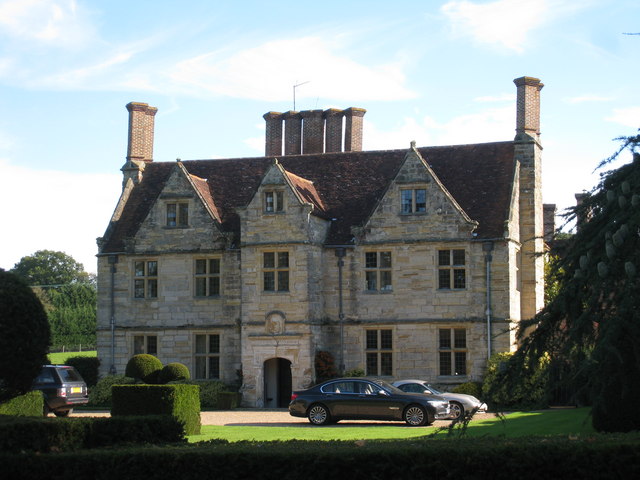
book 1 different angleLord Culpepper was born in 7 Aug 1599 in Wigsell Manor (photo), Sussex, England. His mother died in February of the following year and his father died in 1613 when he was a young lad of 14. He attended Oxford University and graduated in 1616, and then attended Middle Temple law school. In 1621, he was knighted by King James. He sold his inherited Wigsell Manor to an uncle to finance his jaunts around the country. After King James died in 1625 and King Charles I took over, Lord Culpepper finally settled down a bit and married Philipa Snelling in 1628, but the young lady died two years later. He remarried in 1631. This young lady was his distant cousin Judith Culpepper (granddaughter of the uncle who bought Wigsell). They had nine children, many of whom died in infancy.

On January 2, 1642, he was sworn in by the Privy Council and appointed Chancellor of the Exchequer. The following year, he became Master of the Rolls. In 1644, at the onset of the English civil war, King Charles made him a baron.

When the war began, Lord Culpepper was the one who protected the king’s heir (Prince Charles) and took him from England for his own safekeeping. The war ended badly for the monarchy as King Charles was charged with treason and beheaded in 1649. Parliament, under the leadership of Oliver Cromwell, governed the country as the “English Commonwealth” for the next decade.

When Cromwell died, Parliament signed a proclamation that Prince Charles was the rightful king and had been so since his father’s death. They postdated all documents and acted as if the last ten years had never happened. Lord Culpepper had been guarding the prince in France and Denmark all this time and escorted him into London in May of 1660 as King Charles II. For his service, Lord Culpepper received all the prestige and glory he was due, including getting all the Culpepper property back that Parliament had seized at the end of the war and being given a large portion of Virginia in the new world.

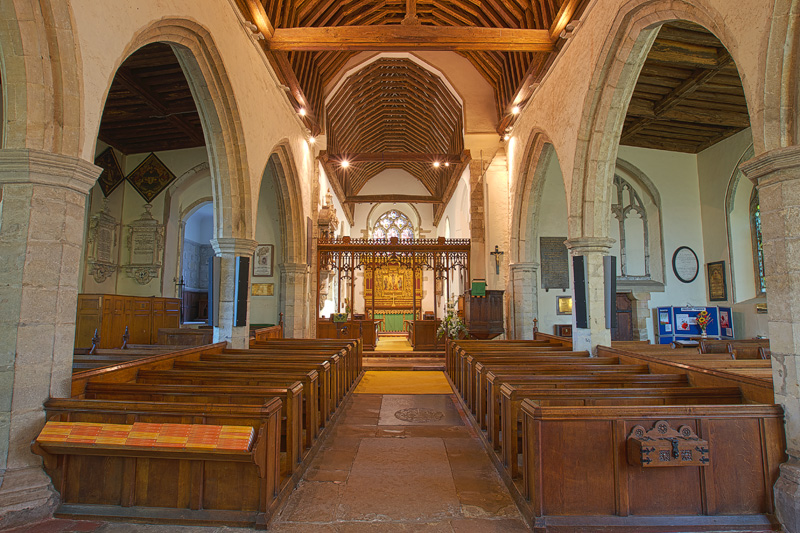
all saints church hollingbourne kent insideShortly after putting the king on his rightful throne, Lord John Culpepper died on 11 July 1660. The inscription placed by his children on his tomb in All Saints Church in Hollingbourne reads:

“To the lasting memory of John, Lord Culpeper, Baron of Thoresway, Master of the Rolles and Privy Counsellor to two Kings, Charles the First and Charles the Second. For equal fidelity to the King and Kingdome he was most exemplary. And in an exile of above ten years was a constant attendant and upright Minister to the Prince last mentioned. With him he returned tryumphant into England on the 29th of May 1660; but died the 11th of July next following in the 61st year of his age to the irreparable loss of his family. He commended his soul to God his faithful Creator, and ordered his body here to expect a blessed Resurrection. His Patent of Honour from King Charles the First dated the 21st of October 1644 may serve for his immortal Epitaph.”

John_Lord_Colepeper_Arms

52 Ancestors #1 John Francis Burke

52ancestors-2015

This challenge is set forth by No Story Too Small. I’m late in joining, but will catch up this week. The challenge for week one is “A Fresh Start.” That being said…

May I present my great great grandfather, John Francis Burke

There is no ancestor in my tree who made such a dramatic effort at a fresh start as John Francis Burke.

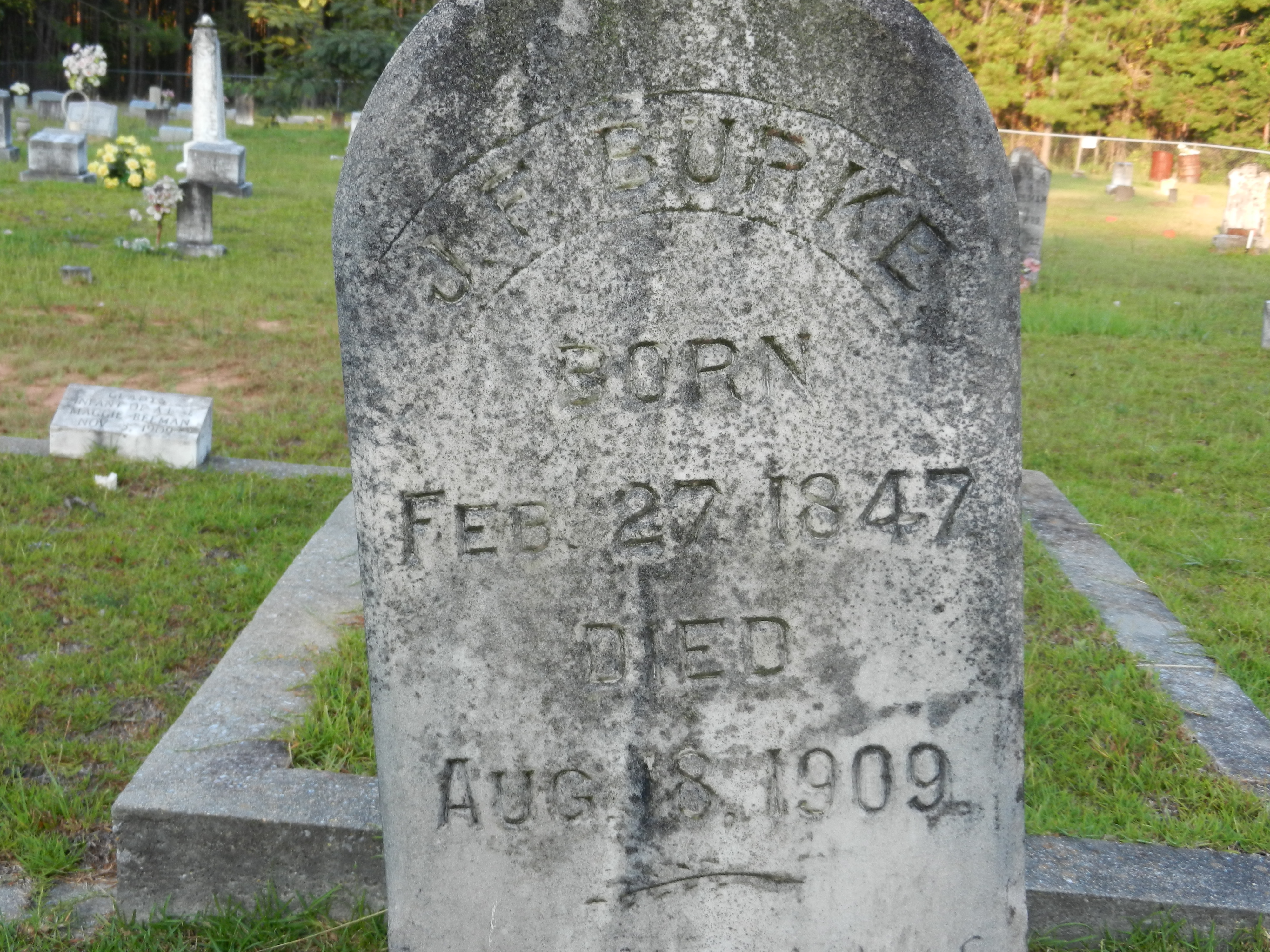
He was born in Dublin on February 27, 1847 in the middle of the potato blight in Ireland. One million people died of starvation and another million left the country. One can imagine how the family struggled. Not much is known about his parents or his childhood, but a family member told me his sibling had the same names as his children, so I expect there was a Patrick, Robert, Emmett, Nina, Virginia, Kathleen, David, and/or an Edmond somewhere in the bunch, and if I ever venture to Dublin, I should be able to find family records.

culpepper book 2 cover ideaWhen John was a young lad of 15, he snuck down to the shipyard and stowed away on an American-bound ship. After they set sail, the captain found him en route and told him the ship couldn’t take him back home. He replied to the captain, “If I wanted to go home, I wouldn’t have stowed away.” We don’t know the relationship or lack of one he had with his parents, but we can imagine a mother searching for her fifteen-year-old son and being heartbroken. I don’t know if he ever contacted his family after leaving Dublin.

The ship dropped him off in Miami, Florida in 1862. Yes, 1862, during the middle of the Civil War. Confederate War Records show a couple men with similar names that could be him serving in Florida, Alabama, and Mississippi. The 1870 census shows a couple names that could be him: one in Florida and one in Alabama. He finally shows up in the 1880 census as being a “ditcher” and living with his new in-laws, the Spencer family.

On December 10, 1879, at the age of 32, he married Nancy Didama Spencer in Lauderdale County, Mississippi. Over the next fourteen years, they had six children: John Patrick, Robert Emmett, George Washington, Nina Virginia, Kathlene L, and David Edmond.

burke JP Burke Sr headstoneAfter John’s death August 18, 1909, the 1910 census shows Nancy as a widow with five children still at home.

John is laid to rest at Liberty Baptist Church Cemetery in Duffee, Mississippi, among children and grandchildren.

His son John Patrick “Pat” (my great grandfather) was a fiddle player on the weekends at barn dances. I wonder if Pat learned to play from his father. Playing the fiddle is such an Irish thing to do, don’t you think?

Genealogy 101

613treeI blog a lot about my ancestors, as I have over 9000 people in my family tree. I am not a professional genealogist, but I have researched my family since I was in my teens. I’m 50mumble now. Not only was I researching my family before Ancestry.com was born, I was researching them before COMPUTERS were born. Take that!

Some visitors to my blog have asked me where to begin in their own search. Below are some basic tips. These tips are for people who have access to their families. If you were orphaned or adopted, you may need the help of a professional to assist you in your search. In some cases, that professional would be a genealogist, in others cases, it would be a private investigator, in others, a lawyer to help you gain access to court documents.


  • The first place to start is with your living relatives. (Take a tape recorder and/or a pad of paper with you!) Ask them what they know about the family. You’ll often find elderly family members will not only be a wealth of information, they will be happy to stroll down memory lane and fill you will stories of the past. Stories of their parents and grandparents, and stories of their great grandparents that they heard when they were small. Write these stories down. They don’t exist anywhere else and can shed light on records you will find. An elderly man in my family said his sibling had pink eye when they were about to immigrate to America, so they were not allowed to board the ship from Italy. When we found the immigration records at Ellis Island, there were two dates of immigration for the family – three months apart. We would have wondered what happened at immigration had we not been told the pink-eye story.
  • The next thing to do is dig through attics and basements. Look through photo albums, newspaper clippings, programs and announcements. I’ve seen old wedding invitations at my aunt’s house and had no idea who the couple was, but once she explained to me the connection to the family, I began extending my tree.
  • Now that you have a handful of names, dates, and places, Google them. You may be pleasantly surprised to find records online or find someone else has already been researching your family. If you find some of your ancestors have already been researched on Ancestry, you may decide to join. There are also other sites to store your findings – My Heritage, Family Search, Genealogy.com – or you can purchase software like Family Tree Maker, or you can use a notebook. Whatever works for you.
  • Check U.S. Census records. They are all online and you can find them at sites like Ancestry and Find My Past. There are also directions on those site on how to search records. Be warned that the 1890 census was mostly destroyed in a fire, so you’ll have to connect your own lines between 1880 and 1900.
  • If you are near the city your ancestors lived, drive to the history/archives office. Also check old newspapers which are usually kept at the library, court records, church records, and cemetery records. Visiting cemeteries where your ancestors were buried can also shed light on the family. Infant mortality used to be a lot higher than it is now. If you are not near your ancestor’s city, visit Find A Grave.com. where volunteers catalog grave sites. You can ‘virtually’ visit cemeteries all over the country.
  • Don’t be discouraged if you run into a dead end. Attempt to go around your ancestor. I got stuck on my great grandmother because she lived a quiet life in the country and didn’t leave any records, but when I looked up her brother, the whole family came to life. If your ancestor didn’t leave records, he/she may have siblings or children who did. Keep searching.
  • Keep meticulous notes. When you find something, write yourself a detailed note of where and what the document was. Many times I’m asked how I know something, and it’s always good to verify the information came from a Bible Record or a Last Will. Beware of anyone else’s information. Sometimes people fill in the gaps in their research with guesses. Once others start to latch onto those guesses, everyone begins to take the information as fact. Keep notes. Research things for yourself.

Not only will you learn about your family and your heritage, you will also learn an amazing amount of history. When you take your ancestors birth and death dates and add the history of the town and the political and religious climate of the world into the mix, you begin to understand who you are and where you came from. Researching genealogy is a time-consuming hobby, but it’s an exciting journey!


On This Day in 1862

My 3rd great grandfather, Rice Benjamin Carpenter, was born August 15, 1828 in Greene County, Alabama to Benjamin Carpenter and Nancy Rice Carpenter. He was the eighth of ten children.

In 1834, following the signing of the Treaty of Dancing Rabbit Creek, his family moved to Pine Springs, Lauderdale County, Mississippi for the low-cost land and fertile soil. Rice was six years old.

He married Mary Ann Rodgers in 1846. They were both seventeen.

They had five children – Martha Lettie, Benjamin Hays, William Travis, Charles Clinton, and MF – one girl and four boys.

frs4544After living with some friends in Pine Springs for a few years, in 1853 they bought 80 acres of land from Mary Ann’s father and began farming, but within a few short years, Rice realized he was a better merchant than a farmer, and by 1860 they had opened a general store in Marion Station, Mississippi.


dec 2012 388When the Civil War began, Rice signed up for the 41st Mississippi Infantry, Company C on February 8, 1862. This must have been a frightening time for the family, as Mary Ann was eight months pregnant with their last child who was born March 12th, 1862.


dec 2012 394On This Day at dawn on December 31, 1862, amid limestone boulders and cedar forest, his infantry attacked the Union soldiers at the Battle of Stones River in Murfreesboro, Tennessee. (only 20 miles from my house)


Page 6Private Rice Benjamin Carpenter died on that day on the battlefield at the age of 34, leaving behind his wife and children.


dec 2012 407He is laid to rest at Confederate Circle, Evergreen Cemetery, Murfreesboro, Tennessee.

RIP 3rd great grandpa. Rest well soldier, your job is done.

A portion of his story is told in my book, “Okatibbee Creek.” Available at Amazon.

This post brought to you by On This Day. 

On This Day in 1848, 1859, 1879, 1917, 1939, 2010

There are some days in my family tree that have far too many events attached to them. There won’t be a death or birth or marriage for the weeks prior and following, but on one day, they all stack up. Very strange. December 10th is one of those days.

On Thisblanks martha lettie carpenter Day in 1848, my 2nd great grandmother was born. She was Martha Lettie “Mattie” Carpenter. She was born to Mary Ann Rodgers and Rice Benjamin Carpenter. Her father died during the Civil War when she was only fourteen. The story is written in Okatibbee Creek. Mattie married William Henry Blanks III, and they had seven children, six being girls. (photo Mattie Carpenter Blanks)

On This Day in 1859, my other 2nd great grandmother was born. She was Nancy Didama Spencer, and she was born to George Washington Spencer and Nancy Virginia Holdcroft.

On This Day in 1879, my 2nd great grandparents wed. The above Nancy Spencer married an Irish immigrant named John Francis Burke. They had six children and twenty-seven grandchildren.

On This Day in 1917, my great aunt Minnie Ellen Crane was born, baby sister of my grandfather.

culpepper Sam and Annie CulpepperOn This Day in 1939, my great grandfather William Samuel Culpepper died. He was 66 and suffered from hypertension. He married Annie Josephine Blanks, daughter of the above Mattie and William Henry Blanks. So Annie’s husband died on her mother’s birthday. (photo of Sam and Annie)

On This Day in 2010, my great aunt Myrnis Burke died at the age of 76. She was my grandmother’s little sister. She was a granddaughter of the above Nancy Spencer and John Francis Burke. She died on their wedding anniversary.

This post brought to you by On This Day.

On This Day in 1893

On This Day in 1893, Mary Elizabeth Howington was born to John Thomas Howington and Florence J Smith in Mississippi. She was the first born to the union, followed by three sisters and four brothers.

burke JP and Mary howingtonShe and her younger sister Julia married Burke brothers, both in November 1912. Mary Elizabeth was 18 and married John Patrick “Pat” Burke and had seven children. Julia was 16 and married David Edmund Burke and had eight children. (photo is Pat and Mary)

john thomas howington florence j smith marriage recordThere have been family stories of one of my grandmothers being a full-blooded Choctaw Indian. In all of my research, I could never find any records for Mary Elizabeth’s mother, Florence, other than her marriage record which states she was 16 years of age. I believe Florence Smith is the Choctaw Indian my family speaks of.

burke Mary Howington Burke headstoneMary Elizabeth remained in the small community of Newton County, Mississippi her entire life and died at the age of 83 on 7 July 1977. Her husband died in 1958. She never remarried. She is laid to rest at Liberty Baptist Church with her husband and children.

This post brought to you by On This Day.

On This Day in 1911

On This Day in 1911, Amos Bolivar Crane Jr. was born to Amos Sr. and Minnie White Crane in Mississippi. He had three older siblings: Frank 8 (my grandfather), Horace 6, and Evelyn 1. There would be two more children to follow: Tommy and Minnie Ellen.

seated from left Tommy, Amos Sr, Minnie, Amos Jr, Minnie Ellen. Standing Toots Peterson, Evelyn, Horace, Horace wife, Frank, WillieAmos is seated to the right of his mother in the front row. The names left to right front row: Tommy, Amos Sr. Minnie, grandchild in lap, Amos Jr, Minnie Ellen. Left to right back row: Friend of Evelyn’s, Evelyn, Horace, Horace’s wife, Frank (my grandfather), Frank’s 1st wife Willie.

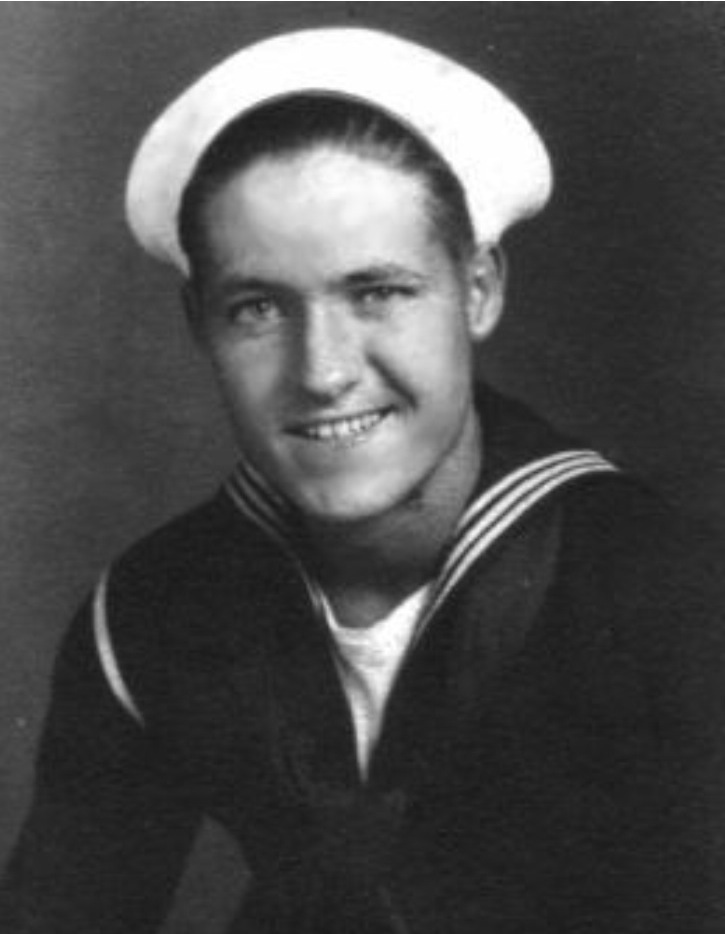
baaef72c-9c81-4cc3-9ee6-213bca036f0fcrane, amos bolivar jrAmos was in the United States Navy. This photo was taken in the 1930s at the San Diego Naval Training Center. He died at the young age of 29 on 22 Nov 1941 and is buried at Pleasant Hill Cemetery, Zero, Lauderdale County, MS with his siblings. His parents are buried at McGowan Chapel Cemetery in Harmony, MS. He married Ardessa Pierce in 1939. They were only married two years before he was killed in a car accident. They had no children.

This post brought to you by On This Day.

On This Day in 1921

Burying children used to be a more common occurrence than it is today.

On This Day in 1921, Fleta Marie “Clarice” Pickett was born in Lauderdale County, Mississippi to Benjamin Berry Pickett and Eula Ouida Keene Pickett (my great grandparents). She had two older siblings: Howard who was four and Margaret Azalea (my grandmother) who was two. She was named after her mother’s older sister, Fleta. Months before, Fleta had given birth to a daughter and named her Eula. The two sisters, though fourteen years apart, were obviously very close.

Clarice was born into a large family as her father had five siblings and her mother had seven who all lived nearby. Her father’s mother was from the Fisher family, and the Picketts, Keenes, and Fishers were numerous in the area, and still are today. So much so, that they have their own family cemetery on Zero Road called Fisher Cemetery. Even though family cemeteries fell out of vogue in the early 1900s in favor of community cemeteries, Fisher Cemetery is still used today.

At one year and five months, Clarice succumbed to pneumonia. Note in her obituary that the family held the funeral in their living room as was custom in those days. Before the mid-1900s, the family of the deceased prepared, dressed, and displayed their loved ones, and following the funeral, the body was carried out of the house head first. Clarice’s obituary reads as follows:

pickett fleta clarise pickett death certFleta Marie “Clarice” Pickett Born: December 1, 1921 in Lauderdale County, MS
Died: May 8, 1923 in Lauderdale County, MS 

Fleta Marie “Clarice” Pickett, 17-month-old daughter of Ben Berry and Eula Keene Pickett, who reside near Zero, MS, passed away this morning at 4 o’clock. Funeral services will be held from the residence Wednesday morning at 10 o’clock. Interment is to follow in Fisher Cemetery.


pickett fleta clarise headstoneRest in peace, little one.

You have not been forgotten.

This post brought to you by On This Day.


On This Day in 1864

carrie mcgavock portrait

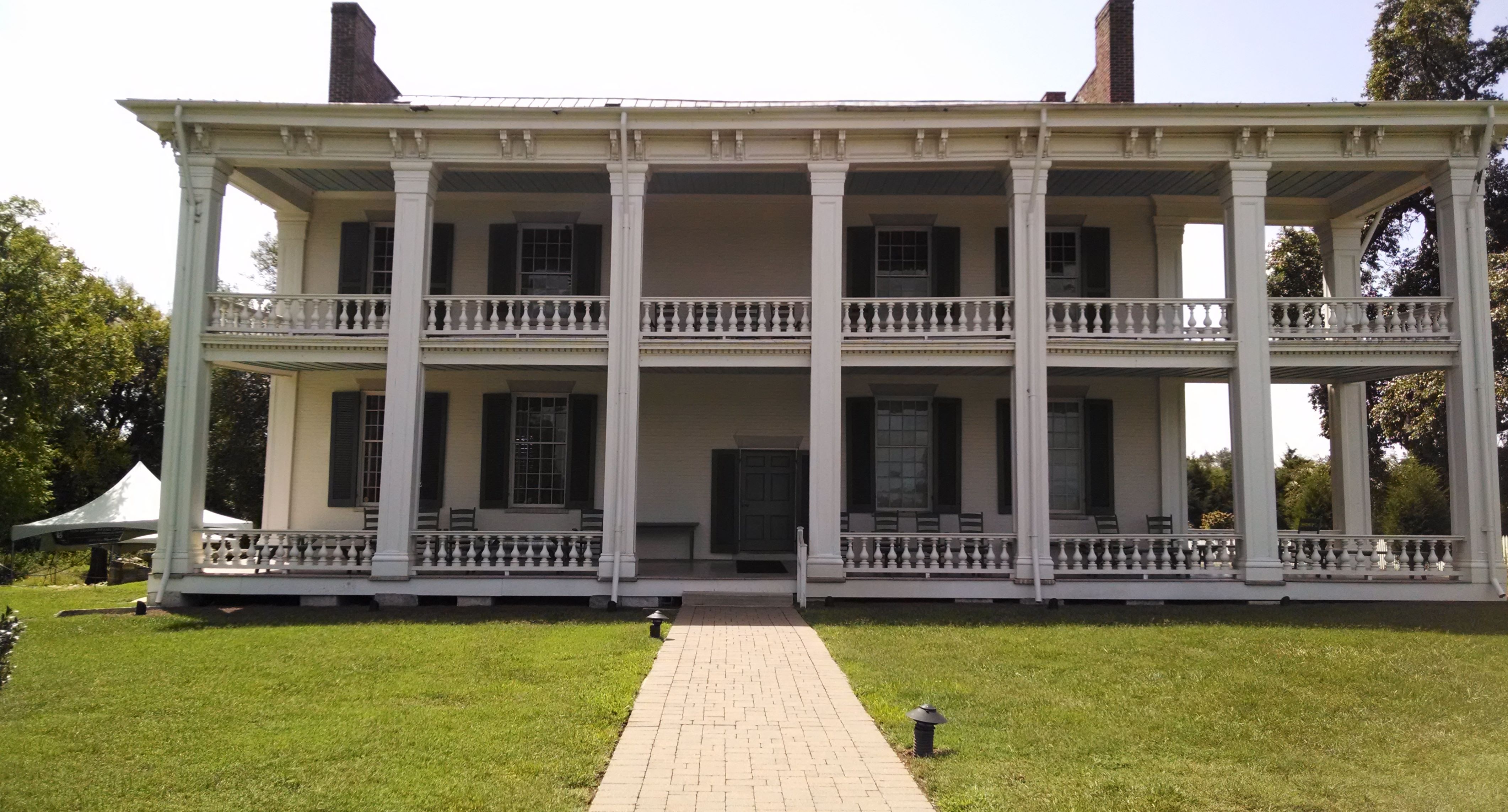
Yesterday, November 29, 1864, Carrie McGavock sat on the front porch of her Tennessee home, the Carnton Plantation, enjoying a warm afternoon of Indian summer. Suddenly, she witnessed thousands of Confederate troops marching across her 1400 acres, heading directly toward her home. The troops told her a battle was coming and asked if they could use her house as a hospital, and by nightfall, surgeons and medics had arrived and started moving her furniture against the walls to make way for the injured. They took the doors off her outbuildings to be used as cots and operating tables. I can only imagine how nervous she felt, dreading the unknown that was to come.


carnton house


On This Day, November 30, 1864

back of Carnton HouseAt 3:30 p.m. the five-hour battle began. Cannon fire shook the house. Bullets drilled holes into the walls of the outbuildings. By the time night fell and the battle was over, hundreds of wounded, bleeding, and dying men had been carried into her home and placed throughout the rooms, in the hallways, on the staircase. Four dead generals lay covered on this back porch. 150 soldiers died in her home that night. The wooden floors are still stained with their blood. The outbuildings still show the bullet holes.


The next morning, December 1, 1864

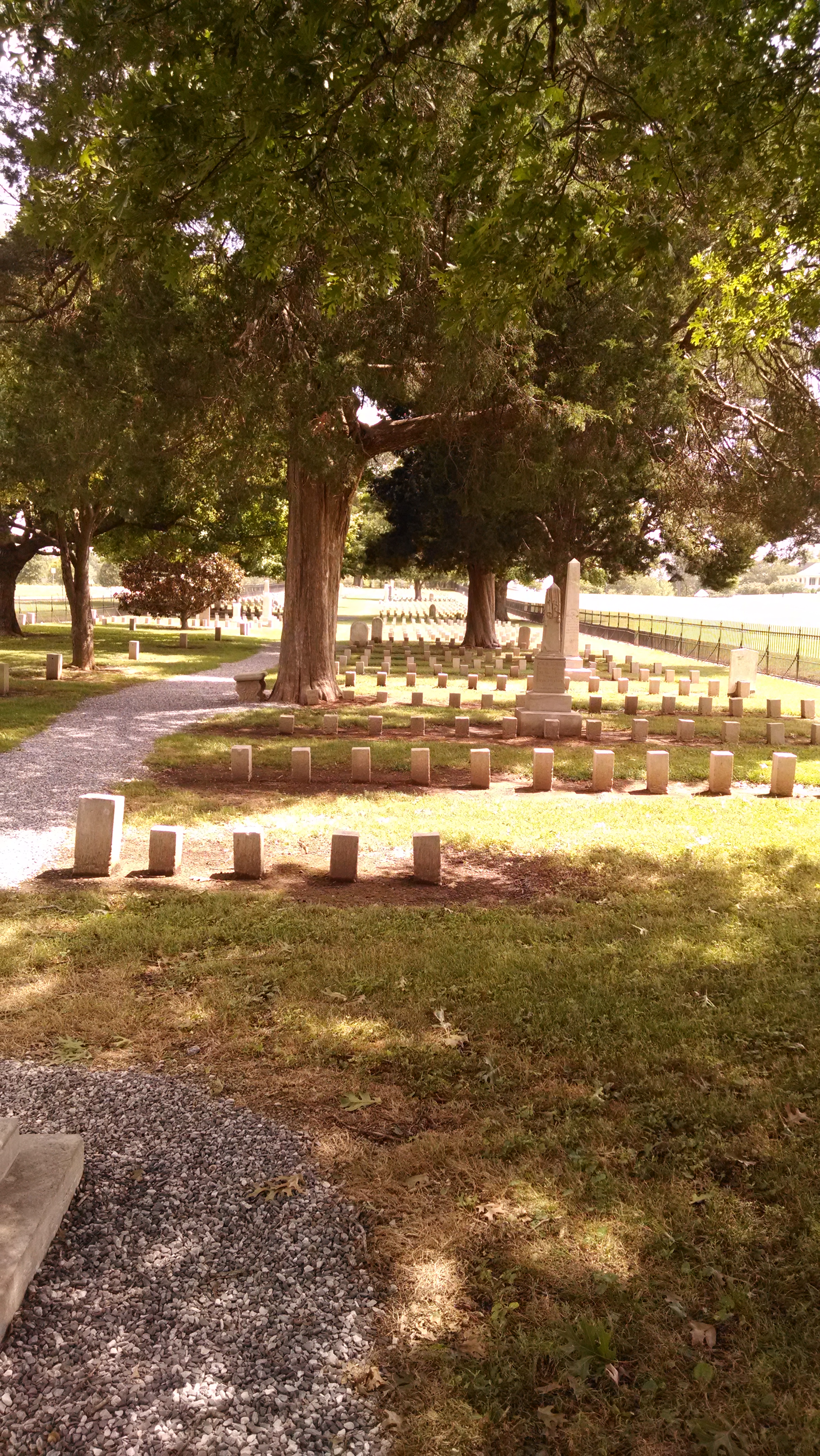
cemetery 1At the first light of dawn, the 750 residents of Franklin, TN began tending the nearly 10,000 Union and Confederate soldiers lying all over McGavock’s property, some dead, some wounded, moaning and crying out for help. Forty-four private homes in Franklin were converted into temporary hospitals.

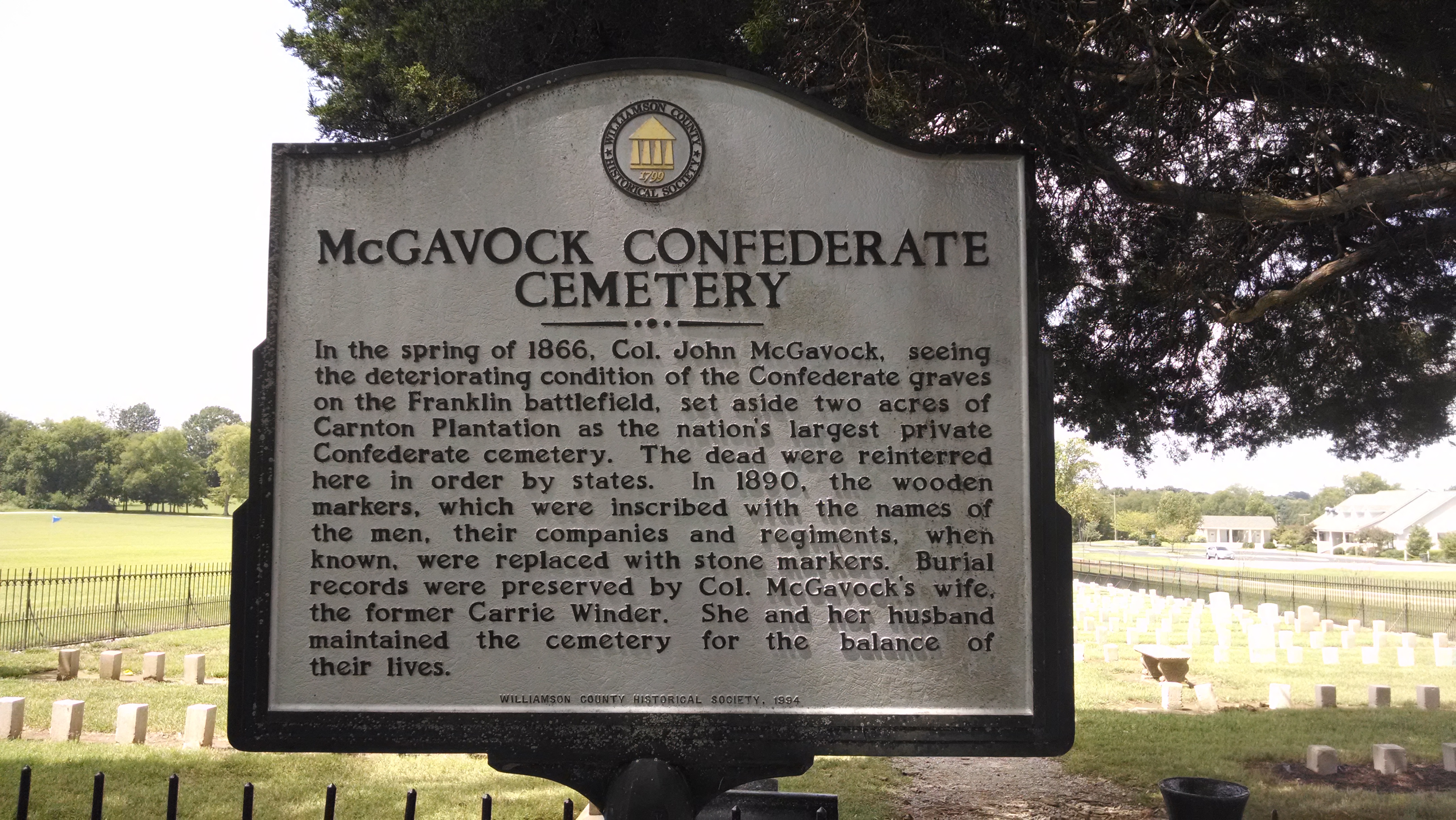
By 1866, the McGavock’s had seen numerous bodies that had been buried in shallow graves all over the battlefield become unearthed by the elements and the woodland animals. The McGavocks donated two acres of their land to be used as a Confederate Cemetery and properly re-interred the soldiers. Carrie’s husband, John McGavock, and the townspeople cataloged and buried 1500 Confederate soldiers, 500 of whom they could not identify. The Union soldiers were moved to the National Cemetery in Murfreesboro, TN.


mcgavock confererate cemeteryCarrie McGavock cared for the Confederate cemetery until her death in 1905, at which time it was turned over to the United Daughters of the Confederacy.