52 Ancestors #2 Lord John Culpepper 1st Baron of Thoresway

52ancestors-2015

This challenge is set forth by No Story Too Small, and this week’s theme is “King.”

Women of my Culpepper line are traced back to King Charlemagne, so I could have taken the easy way and simply wrote about him, but let’s take a road less traveled, shall we?

My 12th great grandfather was John Culpepper of Wigsell. He had four sons: Thomas, William, John (my 11th great), and Alexander. The eldest son, Thomas, had a couple sons, but none with greater ties to THREE Kings than:

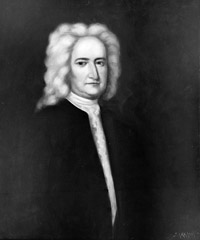
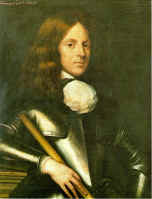
Lord John Culpepper, First Baron of Thoresway

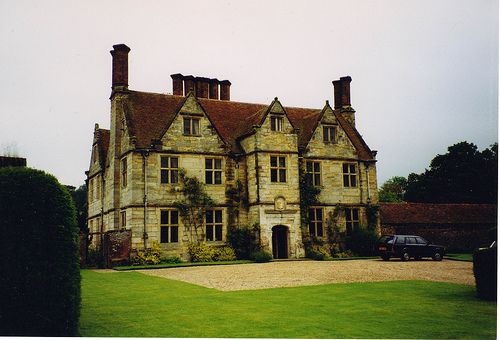
book 1 different angleLord Culpepper was born in 7 Aug 1599 in Wigsell Manor (photo), Sussex, England. His mother died in February of the following year and his father died in 1613 when he was a young lad of 14. He attended Oxford University and graduated in 1616, and then attended Middle Temple law school. In 1621, he was knighted by King James. He sold his inherited Wigsell Manor to an uncle to finance his jaunts around the country. After King James died in 1625 and King Charles I took over, Lord Culpepper finally settled down a bit and married Philipa Snelling in 1628, but the young lady died two years later. He remarried in 1631. This young lady was his distant cousin Judith Culpepper (granddaughter of the uncle who bought Wigsell). They had nine children, many of whom died in infancy.

On January 2, 1642, he was sworn in by the Privy Council and appointed Chancellor of the Exchequer. The following year, he became Master of the Rolls. In 1644, at the onset of the English civil war, King Charles made him a baron.

When the war began, Lord Culpepper was the one who protected the king’s heir (Prince Charles) and took him from England for his own safekeeping. The war ended badly for the monarchy as King Charles was charged with treason and beheaded in 1649. Parliament, under the leadership of Oliver Cromwell, governed the country as the “English Commonwealth” for the next decade.

When Cromwell died, Parliament signed a proclamation that Prince Charles was the rightful king and had been so since his father’s death. They postdated all documents and acted as if the last ten years had never happened. Lord Culpepper had been guarding the prince in France and Denmark all this time and escorted him into London in May of 1660 as King Charles II. For his service, Lord Culpepper received all the prestige and glory he was due, including getting all the Culpepper property back that Parliament had seized at the end of the war and being given a large portion of Virginia in the new world.

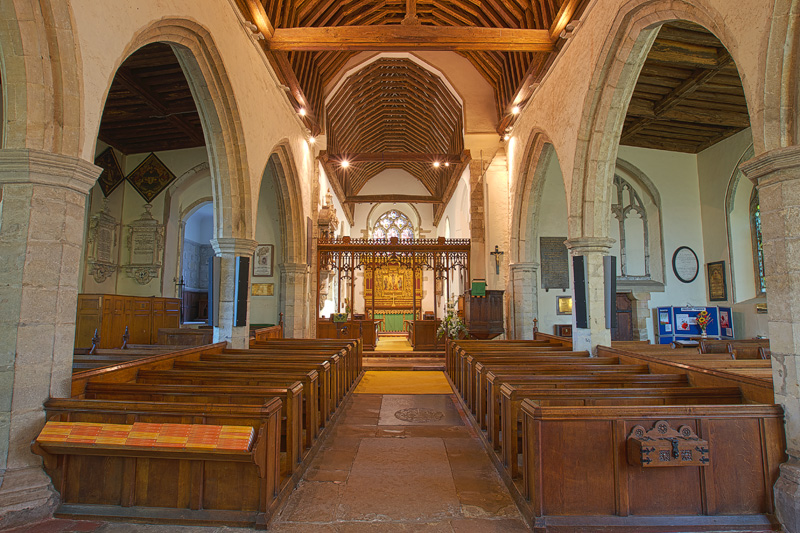
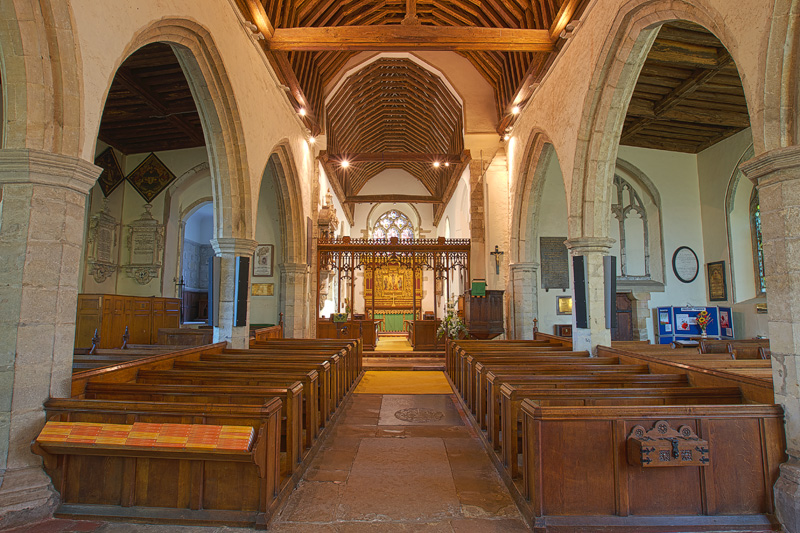
all saints church hollingbourne kent insideShortly after putting the king on his rightful throne, Lord John Culpepper died on 11 July 1660. The inscription placed by his children on his tomb in All Saints Church in Hollingbourne reads:

“To the lasting memory of John, Lord Culpeper, Baron of Thoresway, Master of the Rolles and Privy Counsellor to two Kings, Charles the First and Charles the Second. For equal fidelity to the King and Kingdome he was most exemplary. And in an exile of above ten years was a constant attendant and upright Minister to the Prince last mentioned. With him he returned tryumphant into England on the 29th of May 1660; but died the 11th of July next following in the 61st year of his age to the irreparable loss of his family. He commended his soul to God his faithful Creator, and ordered his body here to expect a blessed Resurrection. His Patent of Honour from King Charles the First dated the 21st of October 1644 may serve for his immortal Epitaph.”

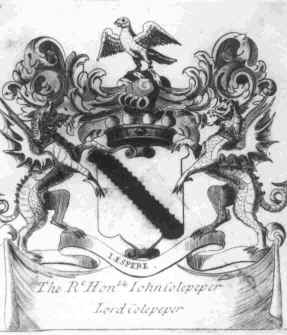
John_Lord_Colepeper_Arms

On This Day in 1877

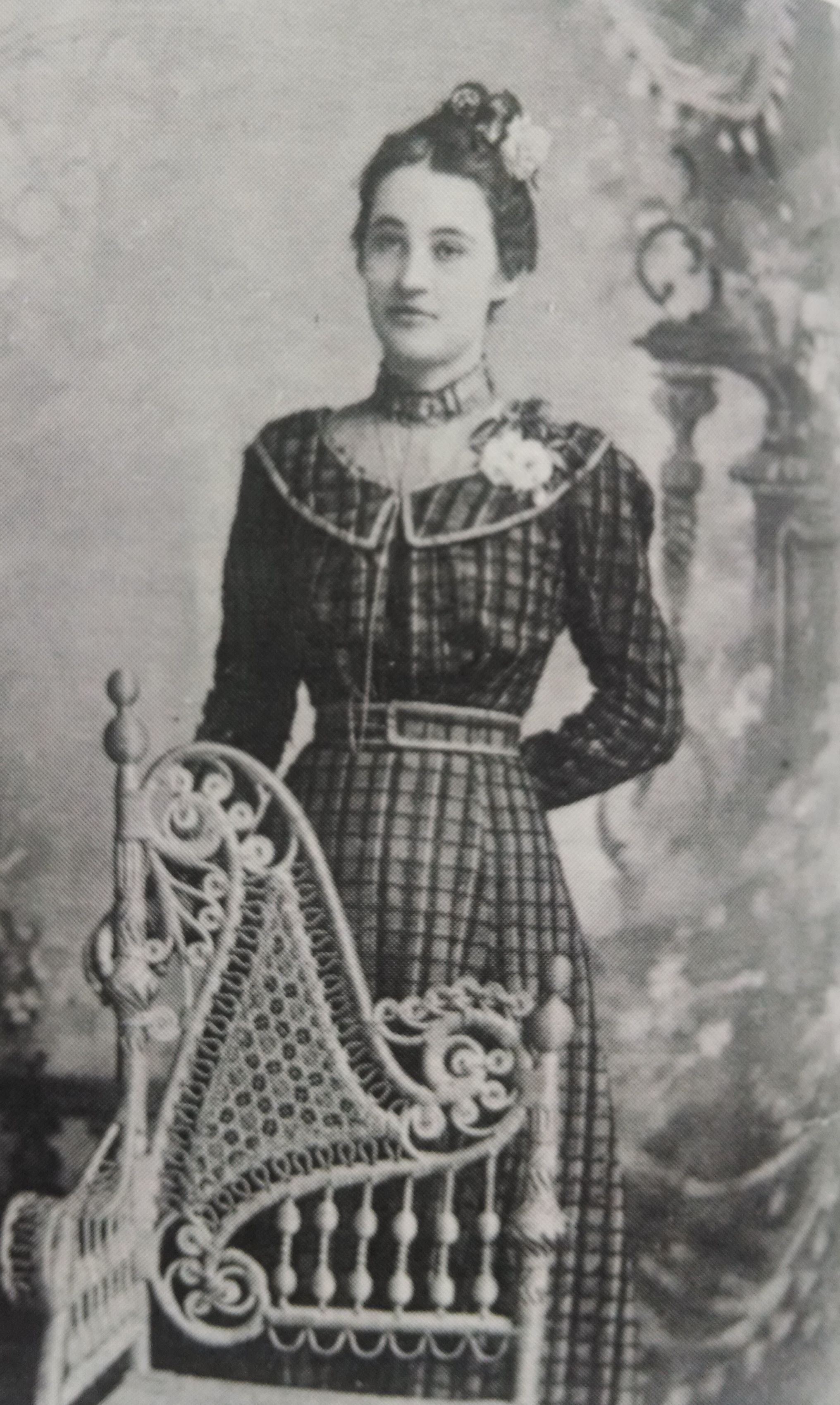
Annie Blanks CulpepperOn This Day in 1877, a beautiful woman was born. On November 10, 1877, my great grandmother, Josephine Annie Blanks Culpepper, was born in Kemper County, Mississippi to William Henry Blanks III and Martha Lettie “Mattie” Carpenter. She was in the middle of seven children, six of them being girls. Her father was a teenager when the Civil War took place and fought as a private in the 2nd Mississippi Infantry Company H. Her mother was a young lady of fourteen when she lost her own father at the Battle of Stones River on December 31, 1862. I can imagine as parents, they did their best to keep the peace in the household, but there is a distinct possibility they both had emotional scars from the trauma each had seen and faced during the war.

Annie grew up on a farm in Daleville, Mississippi, and with eleven aunts and uncles in the area, one must assume she had plenty of cousins to play with. She witnessed amazing technological changes as home comforts such as indoor plumbing and electricity moved from the nearby city of Meridian to the country, and paved roads reached homes throughout the area at the turn of the century before the Model T made its first appearance in 1908.

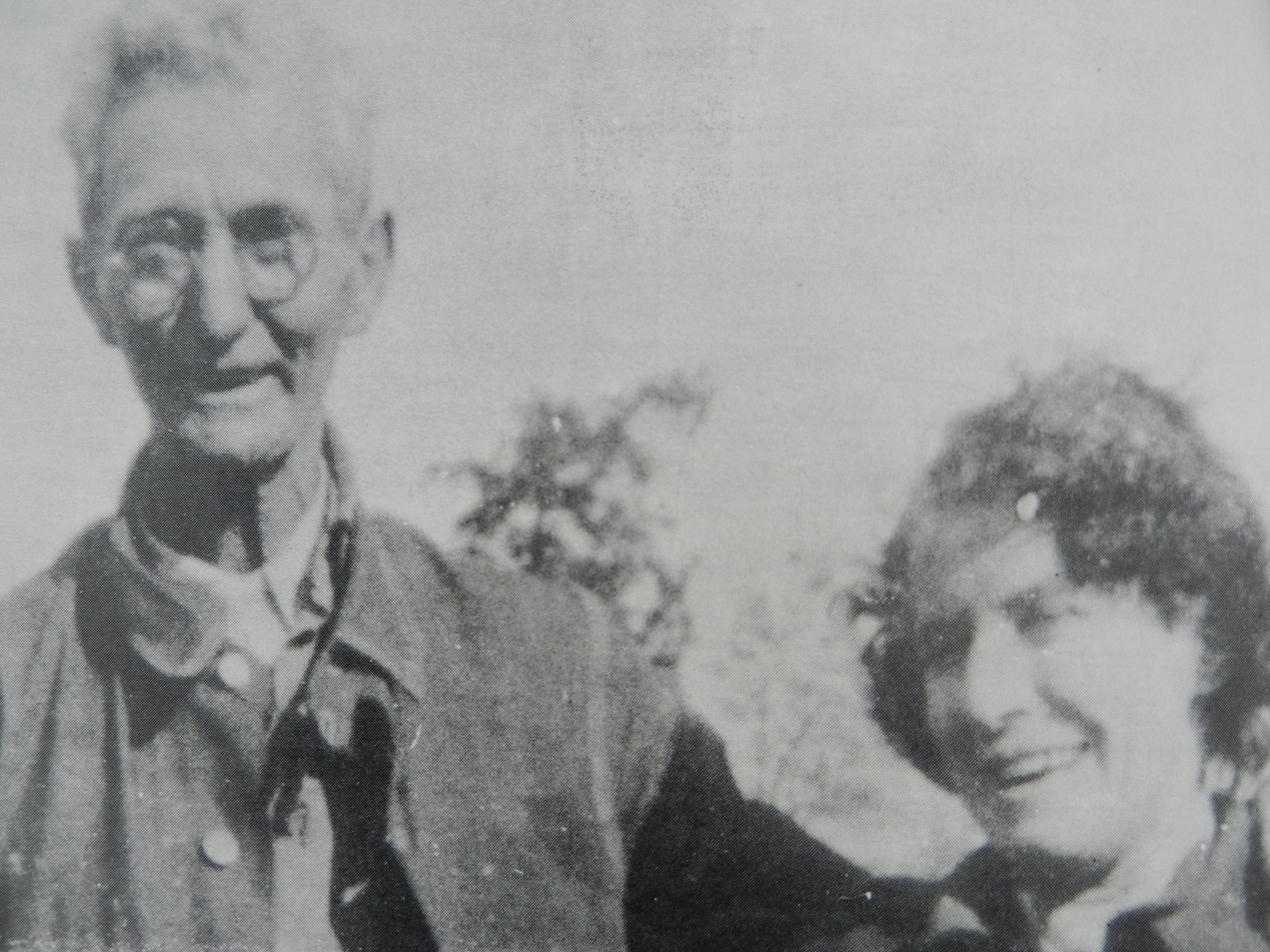
culpepper Sam CulpepperIn 1899, she met handsome William Samuel “Sam” Culpepper, and they married when she was 21. She said about him, “Sam was really a handsome man with rosy cheeks, dark curly hair, and teeth as white as pearls.” Sam was described as a kind fellow who always had a twinkle in his eye and a smile on his face. He loved fishing, squirrel hunting, and playing the family’s old pump organ. He was a sawyer by trade and followed the sawmill business, often being gone for weeks at a time. Fortunately Annie and Sam had five boys and four girls between 1900 and 1921, and the boys were taught to run the farm in their father’s absence. He was said to have been a strict but loving father.

culpepper Sam and Annie CulpepperAfter their youngest child married and moved out in 1938, one would have expected they lived out their retirement in comfort, but sadly, Sam suffered from high blood pressure, and his life was cut short by a stroke at the age of 66, on December 10, 1939. Annie never remarried. In her later years, she moved to Mobile, Alabama and lived with their sons who had relocated there.

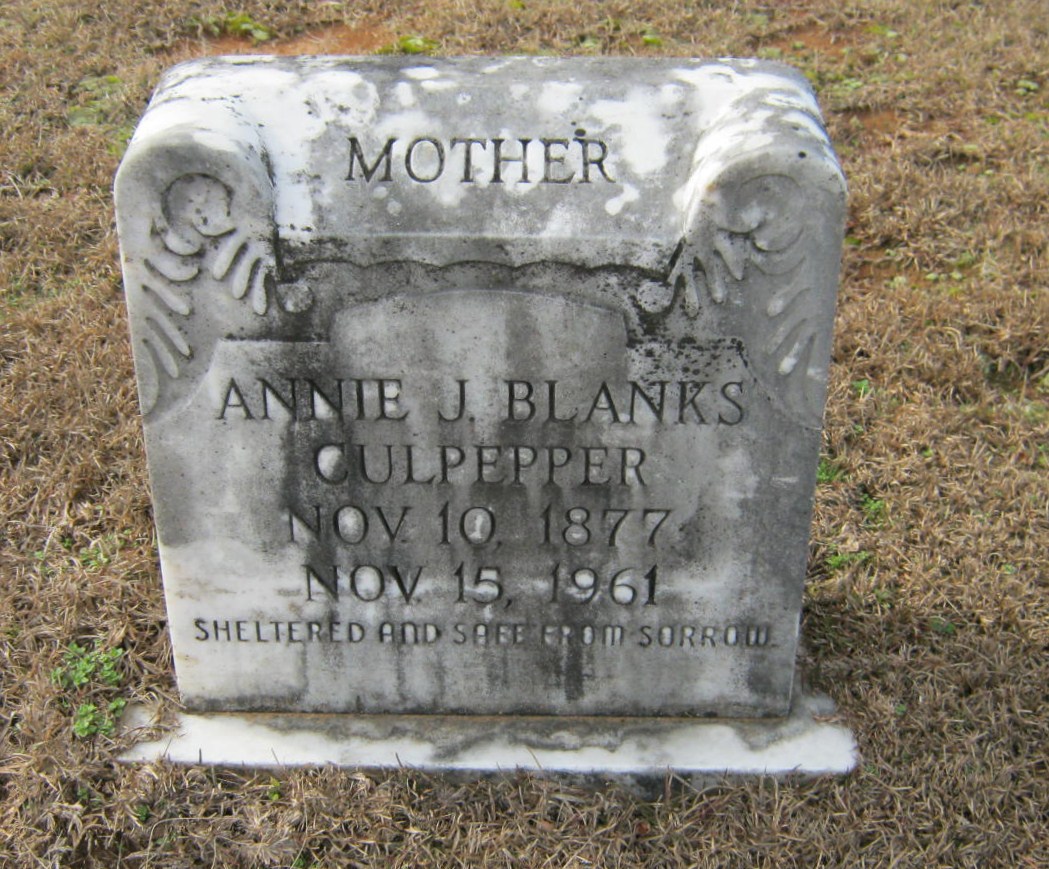
She passed away at the age of 84 on November 15, 1961. She is laid to rest next to her husband at Mt. Nebo Cemetery in Kemper County, Mississippi.


culpepper annie j blanks headstoneHer obituary is as follows:

Funeral arrangements were being completed today for Mrs. Anne Blanks Culpepper, 84 of Mobile, a former resident of the Martin community who died yesterday at Mobile.

Mrs. Culpepper was a member of the Duffee Baptist Church and had been active in its various organizations until she suffered a broken hip three years ago. Her two daughters are Mrs. Mae Howington of Meridian and Mrs. Aaron Spears of Enterprise. She is also survived by five sons, Joe Culpepper of Susqualena; Earl and Clinton Culpepper, Meridian; Fred and Frank Culpepper, Mobile; and two sisters, Mrs. Woodie Logan and Miss Velma Blanks of Laurel.

The body was to arrive in Meridian this afternoon and will be at Stephen’s. The service will be held at 2 o’clock tomorrow at the Mt. Nebo Baptist Church with Rev. Herman Pilgrim in charge, assisted by the Rev. Vernon Blackburn. Interment will be in the Mt. Nebo Cemetery.

This post is brought to you by On This Day available at Amazon.


On This Day in 1882

culpepper ora wedgeworth wife of Joseph FloydOn This Day in 1882, my great great aunt, Ora Wedgeworth Culpepper was born to Howell Joel “Hobby” Wedgeworth and Martha Morrow in Lauderdale County, Mississippi. She was the youngest of eight children with only one other girl, the eldest.


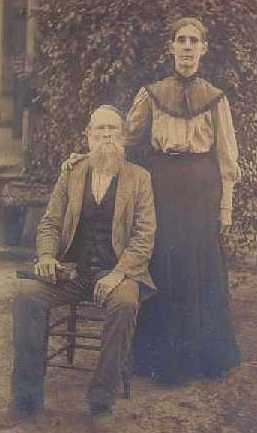
wedgeworth howell joel hobby and martha morrow, par of ora wedgeworth culpepperPrior to Hobby marrying Martha, he had been previously married to Elvira Hughens. They had one daughter in 1858, and Elvira died in 1860. I don’t know who raised the girl after that, as Hobby went off to fight with the 5th Mississippi Infantry Company K and was captured by Union soldiers at the Battle of Franklin, Tennessee (where I currently live) on November 30, 1864. He spent the last six months of the war at Camp Douglas, Illinois as a prisoner of war. His father, Rev. Joel Walker Wedgeworth, went to pick him up after the war ended, and it was said his father didn’t even recognize him because he was so thin. One can tell just by looking at this photo of Hobby and Martha, they were very strict parents.

culpepper joseph floyd

On November 2, 1904, Ora married Joseph Floyd Culpepper, my great grandpa Sam Culpepper’s brother, and between 1905 and 1926, they had eight children, five girls and three boys.


culpepper joseph floyd and ora wedgeworthOra lost her husband to pneumonia on August 1, 1951. She never remarried. She died May 15, 1966 at the age of 83. They are buried at Memorial Park Cemetery, Winston County, Mississippi.


This post brought to you by On This Day.


Saturday Snippet – Culpepper Saga Preview

I usually post blogs about books that are already finished, but I’m having such a good time with my work in progress, I’d like to share a piece of it with you. The Culpepper Saga will be four books about one of my ancestors named John Culpepper.
Culpepper_1John was born in England in 1606. As a young lad he was trained as a lawyer, but he decided to be a merchant instead. He bought a ship and sailed back and forth between the colony of Virginia and England, delivering immigrants to the colonies and bringing back cotton and tobacco. His life wasn’t spectacular, but the cast of characters surrounding him were pretty intriguing, the political and religious climate of his homeland was so volatile, one could lose a head if one wasn’t careful, and the vast expansion of the new world set the stage for quite an amazing adventure. The first installment will be about his childhood, the second about the English Civil War where King Charles I was executed and the royalist Culpepper family scattered like rats, the third about his adventures in Virginia and rise to family patriarch, and the final story will be in his later years during Bacon’s Rebellion and his son causing the Culpepper Rebellion in North Carolina and being charged with treason (good thing daddy was a lawyer!).

culpepper book 2 cover ideaI’ve decided on the title “I, John Culpepper” for the first book.

All that being said, here’s a bit of the scene from the day John was born….

**************************************************************

1606, Blackwall, London

“Master Culpepper! Master Culpepper!” the servant boy shouted over the bells clanging from the church steeple. He pulled the scratchy scarf tightly around his neck to ward off the chill as he pushed his way through the masses gathered on the foggy banks of the Thames.

The crowd had been gathering on the wharf for nearly two days to witness the departure of the ships, and they were prepared for a spectacle unlike any they had seen before. When the tide came in, the three ships carrying one hundred forty passengers and sailors would depart England on an exciting adventure. The air smelled of salt and tar and sweat. This was a remarkable place, a magical place, where the preparations were as exciting at the coming voyage. The anticipation in the air was nearly as thick as the fog.

The boy stopped for a moment as a wooden cask was rolled across the cobblestone in front of him. He watched as workers carefully rolled the barrel up the tilted gangplank. He remained frozen in the middle of the bustling crowd, staring at the ship. He had never seen anything so majestic in all his twelve years, and his jaw dropped at her sheer size. She was an enormous castle-like structure, at least eighty feet in length, her belly bulging at the side where the last of the cargo was being loaded in. Crates and boxes were continually being carried up the gangplank, where they disappeared into the ship’s dark interior. The deck above the cargo area was much narrower and the boy imagined that’s where the sailors would remain during the voyage, climbing masts and hoisting sails. Circling the spiderweb of hemp ropes and yardarms, seagulls cawed as if singing along with the rhythmical clanging of a nearby metal object. The boy scanned the scene for the source of the sound and noticed a blind beggar sitting on the cobblestone near the bow of the ship, tapping a stick on a metal bowl.

Behind the ship floated a second ship, nearly as large as the first, and behind that loomed a third. Each hosted its own cast of sailors, supplies, vagrants, and gangplanks. As wavelets gently raised and lowered the vessels, moans of protest arose from the taut ropes, and the weathered wood creaked with each stomp of a sailor’s boot. Nearby, two mangy hounds barked and growled over some fish scraps, bringing the boy’s attention back to his task at hand. Remembering why he had come, he yelled, “Master Culpepper!” He spun around and around looking for the man, weaving between horses, carts, trunks, and sailors shouting commands. He darted in and out of the crowd, making sure he didn’t bump into any wealthy gentlemen, recognizable by their long cloaks adorned with colorful silk threads.

In April, King James had created the Virginia Company, which would finance sailings to Virginia and Plymouth with the aim of settling colonies and profiting from the land’s abundant natural resources. The aristocracy funded the expeditions with the expectation of making an exorbitant profit. The three ships embarking from Blackwall on this day would sail to Virginia and bring back riches. There were rumors of gold, silver, and gems merely washing up on the shore for the taking. If nothing else, there was surely timber to be harvested. The trees in England had long been felled and the rising price of timber would certainly bring the investors a hefty return.

After they finished loading supplies and the morning fog had dissipated, the ships would raise their sails and ride the tide down the Thames. They would enter the English Channel and cross the great ocean and return by summertime.

The boy bobbed in and out of the crowd, searching for his master.

“Who are you searching for, lad?” a man in a ruffled collar asked.

“Master Culpepper,” the boy replied, removing his hat and revealing his dirty blond hair, which was sticking this way and that like a wheat field in a mighty windstorm. He twisted the wool hat in his hands.

“Johannes or Tom?”

“Johannes Culpepper, sir.”

“I saw him down by the front ship—the Discovery—only moments ago. He was standing right on the dock.”

“Thank you.”

The boy nodded, replaced his cap, and shoved through the workers and onlookers toward the front ship. As he passed the first ship, he looked at the name written on her side and sounded out the letters. He couldn’t make any sense of the words Susan Constant, but when he reached the second ship, he could read God…speed. He wondered if the Godspeed was true to her name. If he were to sail, he would rather sail on the Godspeed and get there faster. From what he understood, it was a two-month voyage if the weather was bonny, maybe four months if the ship ran into rough seas.

He had once spent a morning in a small fishing boat and instantly became green with sickness that lasted for days. He didn’t think he would be able to survive the time it would take to sail to Virginia. He gawked at the bow of the Godspeed as he ran past, witnessing a young lad about his age. The sailor dripped with sweat, even in the chill of the damp morning air, as he coiled ropes and folded sails. What a great adventure it would be to sail to Virginia, but alas, the boy would never get to do such amazing things. He was a servant, a gift from His Majesty King James I to Johannes Culpepper. He would always be a servant, but perhaps someday he would be fortunate enough to serve the king. Even though Master Culpepper was good to him, he wished to someday live at court and be somebody. At least he had the slimmest of chances. His sister had been placed in the kitchen of some castle in Wales. She would never be anything more than a scullery maid. Women would never hold a place in society. They were not welcomed on this voyage, either.

He hopped up and down, unsuccessfully trying to look over the crowd. “Master Culpepper!” he called.

A man turned and pointed. “Culpepper is right over there, son.”

“Thank you, sir.”

The boy sprinted in the general direction, and when he pushed through a couple workers conversing on the dock, he saw him.

“Master Culpepper!”

The boy ran up behind Johannes Culpepper and patted the back of his master’s arm, hopping up and down. “Master Culpepper!”

Johannes turned and looked down at the boy, his square jaw set and his blue-gray eyes burrowing into the lad. “What is it, boy? Why are you making such a commotion?”

The boy panted, out of breath from running. “Master Culpepper, m’lady is havin’ the baby, sir!”

Johannes’s face turned red as he glanced around the crowd to see if anyone was eavesdropping. When he saw no one was, he folded his arms across his chest and stroked his beard. “You came all this way to tell me that?”

“Yes, sir.”

“Very good, boy. You run along home now.”

The boy didn’t move. How could his master not be excited about this news? Did he not want to return home and see his wife and child? Was there anything the boy could say to convince the man to accompany him back to the house?

“Go on. Run along.” Johannes waved the boy off with a flip of his ringed fingers and abruptly turned his back.

“Yes, sir.” The lad backed up, keeping his eyes on his master, wondering what he would tell the governess when he returned home without his master in tow. He had ridden nearly four hours to get to Blackwall this morning, most of it in the dark as the sun had not even risen when he left. He would have a four-hour return trip to think of something. He turned and walked back in the direction from which he had come.

 

Frances Culpepper Stephens Berkeley Ludwell etc etc

frances_berkleyMy cousin, Frances Culpepper (photo), was born in England in 1634 to Thomas Culpepper and Katherine St Leger. Thomas’s brother, John Culpepper the merchant, was my 10th great grandfather and will play a role later in her life. Frances was baptized 27 May 1634 at All Saints Church in Hollingbourn, where all of the family at that time was baptized. Her siblings were: Mary (1629-30 who died as an infant), Ann (1630-95), Alexander (1631- 24 Dec 1694, Surveyor General of Virginia), and John (1633-74 who often gets confused with John the Carolina Rebel, son of John the merchant).

Culpepper Connections website describes Frances as, “Apart from Pocahontas, Lady Frances Berkeley, the strong-willed, thrice-married and childless Colonial dame who ruled the political roost in Virginia from around 1670 until her death in the 1690s, was the Old Dominion’s most notable 17th century woman.”

Well, doesn’t that make you want to know more about her?

Her father, Thomas Culpepper, was one of the original proprietors of the northern neck of Virginia when the Virginia Charter was formed, transferring control of the colony from the Crown to individual investors. Following King Charles I execution, Thomas moved his entire family to Virginia in 1650 when young Frances was only sixteen. When she turned eighteen, she married the governor of the Albemarle settlement in what is now North Carolina. He was also the owner of Roanoke Island. Yes, where the very first colony disappeared from. His name was Samuel Stephens. Samuel and Frances lived for seventeen years on his 1350-acre plantation called Boldrup in what is now Newport News, Virginia. The plantation land and the house’s crumbled foundation is all that is left today and is listed on the National Register of Historic Places.

SirWilliamBerkeley2Following Samuel’s death in 1669, Frances inherited his large estate and in 1670, she married yet another politician, Sir William Berkeley, Governor of Virginia (photo). They took up residence at his estate called Green Springs (photo) near Williamsburg, Virginia. Today, about 200 acres of the original plantation land is preserved by the National Park Service, which acquired the property in 1966.

green springs


Nathaniel Bacon, T. ChambarsIn 1676 (100 years before the Revolution and the same year her cousin John Culpepper the Rebel was causing problems in Carolina) there was a dispute with the local Indians who had been chased north by militiamen. The Indians raided the Virginia frontier out of anger, hunger, revenge, who knows? Some colonists saw this as an opportunity to isolate or kill the Indians, some saw it as an opportunity for new slaves and lands. It was typical politics with each side rallying for their own cause. A newcomer to the land and the local Virginia Council was Nathaniel Bacon (photo). He asked Sir William Berkeley to form a party to kill off the Indians, but Berkeley refused as some of the Indians were Virginia’s closest allies. In defiance, Bacon raised a group of volunteers to fight the Indians. This led to a civil war of sorts, with Bacon’s followers against Berkeley’s loyalists. It also became a personal vendetta. At one point, tiring of Bacon’s threats, Berkeley bared his chest and dared Bacon to shoot him. After the public display, Berkeley threw Bacon out of the Council, later reinstated him, and then threw him out again. Berkeley ended up being chased out of town by Bacon’s men, who burned down the capital. Bacon died of dysentery in Oct 1676, but the fighting continued for a few more months without his leadership.

Here’s where Frances steps in…

King-Charles-II-king-charles-ii-25010100-333-400

Frances sailed to England on her husband’s behalf to ask King Charles II (photo) for help, and the King, unaware that Bacon was already dead, signed a proclamation for putting down the rebellion. He dispatched one thousand troops to Virginia, along with a commission of three men to find out what the hell was going on. By the time the soldiers arrived, without Bacon’s leadership, the rebellion had died down. The three members of the King’s commission watched Berkeley identify Bacon’s men as traitors and witnessed the hanging of twenty-three of them. Once the commission reported this back to King Charles II, he summoned Berkeley to return to England to explain his actions. As soon as spring arrived, Berkeley sailed to England to plead his case with the King. He became ill on the journey and went directly to his brother’s house in London upon arrival, where he died in July 1677 before getting a chance to tell his side of the story to the King. Frances didn’t receive the news of his death for months.

Here’s where uncle John steps in…

When John Culpepper the Merchant was fifteen years old, he attended Middle Temple, which was a law school. There he met a young William Berkeley, who was not a “Sir” at the time, and the two became fast friends. Though John was trained as a lawyer, he was more inclined to be a merchant, and in 1633, he bought a ship with his brother Thomas (Frances’s dad) called the “Thomas and John.” The ship delivered immigrants to the new world and shipped cotton, tobacco, and the like back to England. This was probably the vessel Frances and her family sailed on in 1650 to move to Virginia. During the rebellion, Frances and William Berkeley needed money to sail back and forth for this rebellion nonsense and they sold off Roanoke Island. Uncle John Culpepper was the lawyer who oversaw the sale of the land to the Lamb family, witnessing William Berkeley’s signature on the deed.

Gov_Phillip_LudwellIn 1680, Frances married her third husband, Col. Philip Ludwell (photo) of the 4,000-acre Rich Neck Plantation. Ludwell had been a chief supporter of Berkeley during the rebellion and also his cousin. Hmm. Frances never relinquished her title however and was known as Lady Frances Berkeley for the remainder of her life. She died around 1695 at the age of 61. Her body is interred at Jamestown Church Cemetery in Jamestown, Virginia.

As for Col. Ludwell, after serving as governor of the Colony of Carolina 1691-94, he returned to Virginia where he served as Speaker of the House of Burgessesin in 1695-96. In 1700, he moved back to England where he died in 1716.

Nice House, Gramps!

My 11th great grandpa was John Culpepper of Astwood in Feckenham. Not to be confused with his father John Culpepper of Wigsell, or his son John Culpepper the Merchant, or his grandson John Culpepper the Rebel.

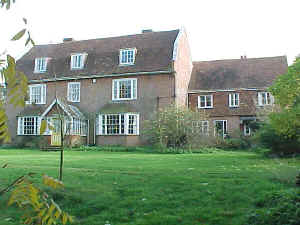
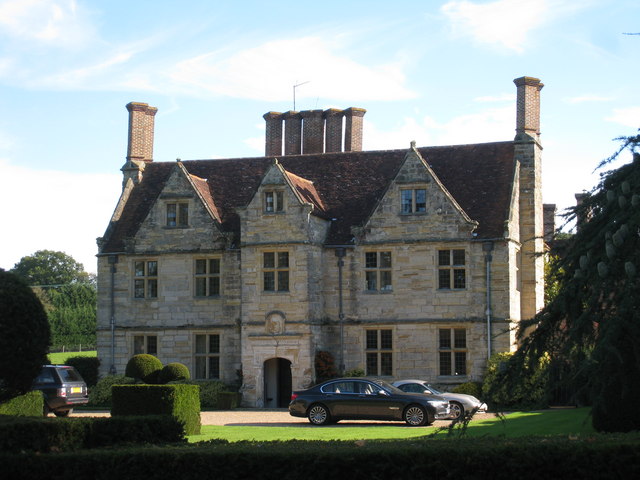
great wigsellJohn was born in 1565 in Salehurst, England in his father’s home, Wigsell Manor (pictured left). He was the second son, eventually totaling three brothers and at least one sister. He was seventeen years of age when he entered Middle Temple (a law school) and began a professional career as a lawyer, called to the bar in 1595, and listed as a Bencher in 1599.

GreenwayCourtHe spent a lot of time at the home of his uncle Francis Culpepper (dad’s brother), whose home was Greenway Court (pictured right). Uncle Francis’s second wife was Joan Pordage. Her brother was Solomon Pordage, who died in 1599, leaving behind widow Ursula Woodcock Pordage. It was at Greenway Court where John first met the widow Ursula – probably before she was widowed as Uncle Francis died in 1591 and his wife Joan Pordage in 1598. John and Ursula didn’t marry until 1600.

John and Ursula set up house at Greenway Court while he ran a profitable law practice.

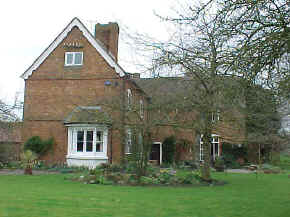
feckenhamcourtfrontWithin a few years, his uncle Martin (dad’s other brother) died in 1605. Martin had two sons, one who had died the year before, and the second who had no children of his own. John was bequeathed Astwood (pictured left) in trust to maintain for Martin’s widow. After the widow remarried and moved elsewhere, John made an arrangement with her to move Ursula and the family to Astwood. His family now totaled four children – Thomas, John (my 10th great), Cicely, and Francis.  Sadly, Ursula died at Astwood and was buried there in June of 1612. He was now a widower with four small children, but apparently his law practice was doing well, as he bought out the aunt’s interest in 1616 and gave up practicing law to become a country gentleman.

all saints church hollingbourne kent insideThat same year, he married Elinor Norwood. They had no children. She died eight years later in 1624. He then married Ann Goddard in 1625. She outlived him by ten years. Sometime before 1635, nearing the age of seventy, he returned to Greenway Court where he died 18 December 1635.

He is buried in the chancel of Hollingbourne Church (pictured right) among other members of the family – Francis 1591, Elizabeth 1626, Philippa 1630, Thomas 1634, Elizabeth 1635, Thomas 1637, Elizabeth 1638, Phillipa 1638, Thomas 1640, John Third Lord Culpepper 1641, Solomon 1647, Cicely 1651, Thomas 1661, Sir Thomas the Elder 1662, Doris 1662, Cecilia 1685, among other memorials, plaques, and graves.
(photos by my cousin Warren Culpepper 2000.)

Uncle Bluitt

culpepper Andrew Bluitt CulpepperThe Rev. Andrew Bluitt Culpepper was my grandfather’s uncle (little brother of Aunt Dora in THIS blog). He died in 1952, so I never met him, but I remember the family bringing his name up on occasion, and he was always referred to as Uncle Bluitt. The name came from his great grandmother, Elizabeth “Betty” Bluett or Bluitt. The spelling changed with each generation, and every generation has at least one male with Bluett in his name.

Uncle Bluitt was the youngest of 6 children of Joel Bluett Culpepper and Mary E “Mollie” McFarland. He was born in Alabama in 1882. Before 1890, the family moved to Kemper County, Mississippi.


culpepper Andrew Bluitt and Ollie KitrellWhen he was 21, he married Ollie Mae Kitrell.

culpepper Curtis and Obbie sons of Andrew Bluitt Culpepper


A year later, they had a son, Louis Curtis Culpepper, and three years later, another son, William Obie Culpepper.


Uncle Bluitt died at the age of 71, and his obit claims he was the pastor of more rural churches than any preacher in Mississippi, and his death certificate states he was also a barber. He died following a stroke, which is not an unusual thing with the males of my family. One of his uncles, (I can’t remember which one off the top of my head) was said to have died of a stroke while preaching in the pulpit. Pastors and strokes run in the clan. Uncle Bluitt is laid to rest with his wife and sons at Pine Grove Baptist Church and Cemetery in Lauderdale County, Mississippi.

culpepper, andrew bluitt and ollie kittrell


Andrew Bluitt Culpepper obituary

Rev. A. B. Culpepper, 71, Martin community, Lauderdale County, passed away Wednesday, Feb. 24. he had been a Baptist minister for 40 years. It was claimed that he had been pastor of more rural churches than any preacher in Mississippi.

Burial was in Pine Grove Cemetery. The Rev. Edward McKeithen, pastor of the Pine Grove Church, officiated, assisted by Rev. Ed Grayson and Rev Truly Reynolds.

He was a member of the Pine Grove Church. Survivors include his widow, Mrs. Ollie Kittrell Culpepper, two sons, Curtis and Obbie Culpepper, 8 grandchildren, and 7 great-grandchildren.

Happy 143rd Birthday, Aunt Dora!

culpepper mary eudora culpepper saterfiel familyMary Eudora Culpepper Saterfiel Watson was born March 31, 1871.

She is pictured here in the center with her husband WB Saterfiel to the left, her father JB Culpepper to the right, and her children from left to right in front Dewey Oliver Saterfiel and baby Alma. In the back row, left to right, Evie Mae Saterfiel Hodges, Indeola “Necie” Saterfiel Byrd, Willie Carlos Saterfiel, Adie Joseph Saterfiel.

Side note: I ordered my grandparent’s marriage license and the witness was D.O. Saterfiel, the little guy. He was my grandpa’s cousin. I sometimes forget these people knew each other. 🙂

She was my grandpa’s aunt Dora. She was born to Joel B Culpepper and Mary E “Mollie” McFarland in Sumter County, Alabama, as the only girl with five brothers. There was another girl born to the union, but she died at birth. Aunt Dora was the eldest of the children, so I imagine she was the caregiver to her little brothers. At some point when the children were little, the family moved to Kemper County, MS. After her mother’s death in 1908, her father moved in with her for a short time. That’s when this photo was taken. Shortly after this, he was placed in a soldier’s home in Biloxi, MS, where he died less than a year later, on Nov. 11, 1911. Dora was 40.

culpepper Mary Eudora Culpepper SaterfielWhen she was about 19, she married William Bartley Saterfiel around 1890 and had six children. Three of her children married into the Hodges family. Mr. Hodges married three times, and with each union came more children. The three Saterfiel children married a Hodges child from each of the three wives. The Hodges/Saterfiel family reunion must be confusing.

She lost her youngest child in 1912. Baby Alma was only five years old when she died, not very long after the top photo was taken.

Following her husband’s death in 1925, she married GW Watson in 1929. Though she was married to Mr. Watson for 21 years, her headstone reads Eudora Saterfiel and her obit says nothing of Mr. Watson’s children. She died at the age of 78. Her obit is as follows:
culpepper, mary eudora culpepper saterfiel watsonFriday, January 6, 1950

Mrs. G. W. Watson

Mrs. G. W. Watson of Collinsville died Friday at St. Joseph Hospital, following a heart attack. Funeral will be held Sunday at 2 p.m. from the Union Funeral Home. The Rev. Edward McKeithen officiating. Interment will be in Union. Survivors include three sons: A. J. and D. O., Collinsville, and W. C. Saterfiel, Causeyville: Two daughters, Mesdames Joe Byrd and George Hodges, Collinsville: several grandchildren and great-grandchildren.  

Her father, husband, and baby Alma are buried at Zion Cemetery, Kemper Co, MS. She and her other children are buried at Pine Grove Cemetery in Lauderdale Co, MS. Mr. Watson and his first wife are buried at Memorial Park in Newton Co, MS.

October Ancestry Challenge – Andrew Frank Crane

oct ancestry challenge-001 October Ancestry Challenge 2013

23 days – 23 posts – 23 ancestors

 Ancestor #22 – Andrew Frank Crane

I’ve saved the best two ancestors for last.

His friends called him Andy. I called him daddy.


Daddy

Andrew Frank “Andy” Crane was born in 1940 in Mississippi to Andrew Frank Sr and Azalea Pickett Crane. He was the only son of the union and had one sister. He married Linda Faye Culpepper on August 15, 1960 at the age of 20, she was 15. He worked as a carpenter at L.B. Prister and Co.

Two years later, they had “me,” and I am the only child of the union.

crane, andy and linda 1960

The marriage didn’t last long, and by 1966 he was living in Tennessee and married for the second time. In that marriage, he had two sons. He was an avid duck hunter and loved to operate his ham radio. He also played guitar. His guitar now belongs to my brother and has been passed on to my niece who seems to have the same music bug I have.

Daddy headstone He died on October 31, 1994 of complications following a removal of a pituitary tumor. He is missed by his children and by his seven grandchildren whom he never had the pleasure of meeting. crane andy headstone with lori

October Ancestry Challenge – Lord Thomas Culpeper, 2nd Baron of Thoresway

oct ancestry challenge-001The October Ancestry Challenge 2013 – 23 posts/23 days/23 ancestors.

We’re in week three!

Ancestor #11 – Lord Thomas Culpeper, 2nd Baron of Thoresway 1635-1689


great wigsell << The Great Wigsell was the home of my 12th great grandfather John Culpeper of Wigsell, brother of Thomas Culpepper of Sussex (not the guy above). A couple of John’s sons were John of Feckenham (my 11th great) and Thomas of Wigsell (still not the guy above). This Thomas had a son named John who was the 1st Baron Culpeper of Thoresway, who in turn had a son Thomas who was the 2nd Baron Culpeper of Thoresway (the guy above!)

Are there enough Thomases and Johns to confuse you yet? Me, too! That’s why I’m going to leave the relationship between me and Thomas 2nd Lord Culpeper up to you. He’s either a cousin or an uncle or something, but it makes my head spin.


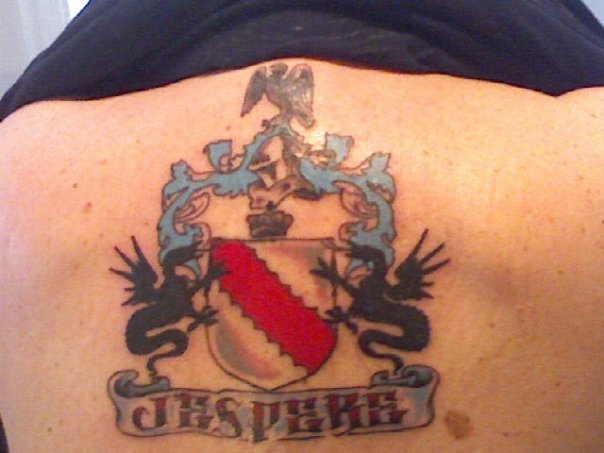
culpepper tatThe most important part is Lord Thomas had no sons, so the Culpeper family crest died with him, as a crest is traditionally given to a son. I figured since nobody was using it, nobody would mind if I did, so here’s my Culpeper tat on my back. The bottom is French and means “I hope.”

Okay, on to Lord Thomas Culpeper, 2nd Baron of Thoresway…


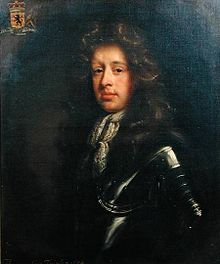
lord_thos Lord Thomas Culpeper, 2nd Baron Thoresway (left), was the son of Judith and John Culpeper, 1st Baron of Thoresway. As a royalist, his father left England at the end of the English civil war following the execution of King Charles I. Lord Thomas lived with his father in the Netherlands and there on 3 August 1659 married the Dutch heiress Margaretta van Hesse. (pictured below)
lady_marg (On a weird note, my trophy husband’s last name is Hess, but I’m sure he’s German, not Dutch.)

In July 1677, upon the death of Virginia Governor Sir William Berkeley, Lord Thomas became governor of Virginia but did not go there until 1679. While in Virginia, he seemed more interested in maintaining his land than governing, and he soon returned to England, though he did continue to serve as an absent governor until 1683.

Leeds-CastleCulpeper’s marriage to Lady Margaretta was not a happy one. She lived at Leeds Castle (photo), and Lord Thomas lived in London with his mistress Susannah Willis and their two daughters. He died in his house in London on St. James Street and left a will in favor of Willis, which Lady Margaretta had suppressed. I assume Lady Margaretta didn’t even find out about the death for quite some time after it occurred. I also have reason to believe her daughter Catherine (mentioned below) may or may not be the child of her husband, but you can read about that scandal in my book “John Culpepper, Esquire,” the third book in the Culpepper Saga.


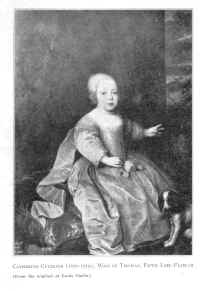
catherine culpeper fairfaxLord Thomas’s only child with Lady Margaretta was a girl, Catherine Culpeper (pictured as a child), and thanks to her mother’s diligence getting the will suppressed, young Catherine inherited much of her father’s wealth. A year after his death, in 1690, Catherine married Thomas Fairfax, 5th Lord of Cameron (pictured below – look at those pouty lips!), thereby transferring the Culpeper wealth into the Fairfax family. The Culpeppers and Fairfaxes shared a long history of clashes, beginning with battling in the English Civil War in the 1640s when 3rd Lord Fairfax (Thomas Fairfax’s grandpa) was a General in the parliamentarian army and the Culpeppers (Catherine’s great uncles) were Royalists in the service of the King. You can read one of those stories here. I imagine a Fairfax/Culpepper marriage was quite a scandal in both families, so he either married her for her castle or for true love. Either way, you can imagine I’ll turn it into a book someday.Thomas_Fairfax 5th baron of cameron, catherine culpeppers husband


In Virginia, both Culpeper County and its county seat, the town of Culpeper, Virginia, are named for Lord Thomas Culpepper 2nd Baron of Thoresway.

John_Lord_Colepeper_Arms