 April AtoZ Challenge
I’m late, but I’m here. I’ll get caught up the next couple days!
A is for American Revolution
 I’m a member of the Daughters of the American Revolution under my grandfather Joseph Culpepper, who fought in the state of Georgia.
I am also descended from the following patriots, whose supplemental memberships I have not applied for as yet. The more I research, the more expensive my membership gets. Ouch. The following are my 5th, 6th, and sometimes 7th great grandfathers:
- William Crane (Crain)
William served in Pennsylvania. He was born in Ulster, Ireland in 1704 and came to America in 1732. He and his wife Jean are buried in old Hanover Presbyterian Church cemetery in Pennsylvania.
- Isaac Weldon Sr
Isaac was born in 1745 in North Carolina and served in Richmond County, Georgia. His family was originally from Nottinghamshire, England and came to America in the early 1600s. At the time of the revolution, he was a 5th generation American.
- Amos C Windham
Amos was born in 1741 in South Carolina. He served as a lieutenant, captain, and major in South Carolina. I’ve traced the Windhams back to Virginia in the early 1600s, but am not sure where they came from. I suspect England.
- Robert Farish
Robert was born in 1738 in Virginia. His grandfather migrated to America in 1714 from Cumberland, England. He served in Virginia.
- Samuel Truss
Sam was born in 1735 in North Carolina and served in the North Carolina Militia. His grandfather was from Oxfordshire, England.
- George Williamson
George served in Pennsylvania. He was born in 1748 in Pennsylvania, and his father was an immigrant from Armagh, Ireland.
- Thomas Hambrick
Thomas served in Virginia. He was just a young boy at the time, born in Virginia around 1765.
- Reuben Dollar
Reuben served in South Carolina. He was born in South Wales in 1755. His father died there in 1770, which may be the reason he ended up in America.
- John Clearman
John was born in 1736 in Germany and arrived on the shores of NY in 1761. He served in NY and is buried in New Jersey.
- John Swearingen
John was born in 1745 in South Carolina and served there. He died at the very beginning of the war at the age of 30.
- Joseph Culpepper (my official patriot for the DAR)
Joseph was born in 1765 in Anson, North Carolina. He enlisted as a private in the 3rd South Carolina Rangers Regiment. He died in 1816 in Georgia.
- William Henry Blanks
William was born in Virginia in 1755 and served there. He died at the age of 68 in Georgia.
- John Hill
John was born in North Carolina in 1750 and served there. He died in Georgia in 1817 at the age of 67.
- Thomas Young
Thomas was born in Virginia in 1747. He served in North Carolina.
- John B Rice
John was born in Bute County, North Carolina in 1755. He served for fifteen months as a Private and enlisted again for another three months as a Lieutenant in the North Carolina troops. He died in Nash, North Carolina at the age of 81.
- James Rodgers
James was born in 1732 and grew up in Virginia. By the time of the war, he was living in Tennessee but there are records of some children being born in Virginia. He was in his mid-forties when the war began and I understand that he assisted the troops with shelter and food. I don’t believe he took part in being a soldier, but he is recognized as a patriot of the revolution, none the less.
- Captain James Scott
James was born in Virginia around 1728. He served in Virginia. He died about age 71 in South Carolina. With a name like Scott, he’s probably from, oh, I don’t know, Scotland maybe.
- William Howington
William was born in 1750 in North Carolina and served there. He died in Edgecombe, North Carolina around 1828 in his late 70s.
There are so many more I haven’t had the time to research, along with numerous uncles. I guess that makes me about as American as apple pie, with a little German shortbread, and a big shot of Irish whiskey.
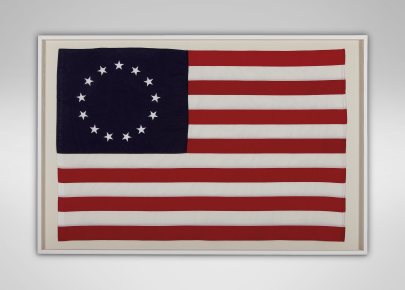 Thank you, gentlemen, and may you rest in peace. ♥
 Dante Cicchetti (pronounced Seh-KEH-tee) was born 7 Dec 1920 in Italy. He was the third child of Nicholos Cicchetti and Maria Leonarda Scarlato. He had an older sister and an older brother. Following him was a girl born in June of 1924, and 11 Oct of the same year, the family landed on the shores of America in New York.
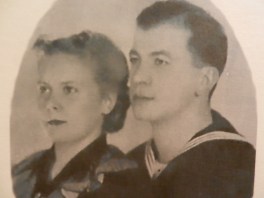 Dante married Bettylee Joyce Stewart 19 Sep 1942 and had five daughters and one son. The following decades saw his family expand to a host of in-laws, grandchildren, and great grandchildren. Dante and Bettylee traveled the world, they wintered in Florida, and they were by each other’s side for 66 years.
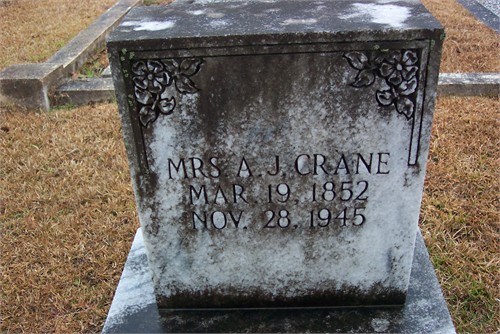
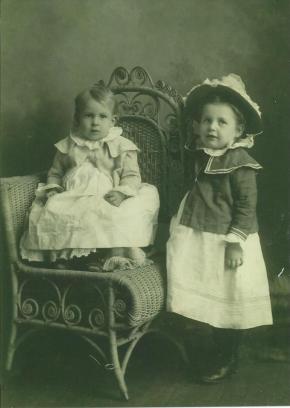 Eula Ouida (WEE-duh) Keene Pickett was born in Lauderdale County, Mississippi and lived there her whole life. She had an older 1/2 sister from her mother’s first marriage and two older biological sisters. She also had two older brothers and one younger brother (shown in the photo), and she had a brother who died as an infant before she was born.
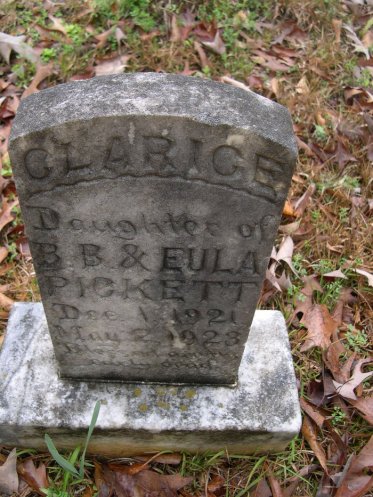 The Meridian Star, May 8, 1923
 The Meridian Star, September 5, 1936
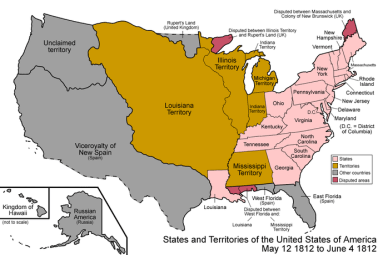 During the turn of the century in Alabama, the Creek Indians were in the middle of a civil war, as well as fighting off the white men who were encroaching on Indian territory. The War of 1812 in the North was a fight between the British and the Americans, battling over waterways and trade routes. The War of 1812 in the South was between the Americans trying to expand their newly formed nation and the Indians who were armed by the British. The Mississippi Militia was formed across the Mississippi Territory to battle the Indians. At the time the Mississippi Territory encompassed all of Mississippi and Alabama. Alabama didn’t become a state until 1819.
 Gause Texas, August 4th 1913
 She was the 6th born of 8 children, half boys, half girls. She was born March 11, 1836 in Pickens County, Alabama. Pickens County is right on the Mississippi border, and at some point between 1840 and 1850, the family moved west to Mississippi. At the age of 17, on October 6, 1853, she married William Lafayette Brown, Jr. in Lauderdale County, Mississippi. Keep in mind, the above Patriot grandfather was still alive until 1858 and died in Lauderdale County, Mississippi, so he might have been living with them. If not living with Sarah Ann and her husband, at least with a nearby family member.
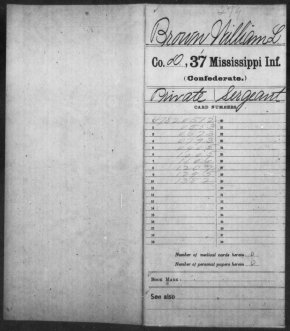 When the Civil War broke out in 1861, her husband was about 25 years old. Yes, he went to fight for the Confederacy. As a matter of fact, he was a sniper who guarded Mississippi bridges in the area. At one point, he was captured by the Union. He escaped. He went back and allowed himself to be captured again to help others escape, which he/they did. After that, he had a bounty on his head for the rest of the war.
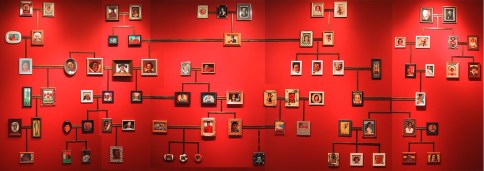
 The tree is about a foot wide at the bottom, so I started with a big, fat paint brush and some really scary black paint. I aimed for the middle of the wall, fighting with the corner of my desk that was too heavy for me to move. Next, I grabbed the next size smaller brush and started painting random branches. This is the point where my trophy husband came home from work, walked into the office, stared at the wall for a minute, shook his head, and walked out. Yeah, I know it doesn’t look that great, but just wait! I’m an artist. You have to trust me. Then again, he’s been here before. Poor guy.
 Step two. I used a smaller paint brush to extend the branches and then another smaller one. Starting to look like a tree, no? A little skimpy, but still, a tree! It’s going to need to be a lot bigger than this for all my pictures. I’m thinking of taking it all the way to the ceiling and as wide as it’ll go.
 Step three. I used even smaller brushes. The tree’s getting bigger. Of course I’m climbing across my desk and standing on a chair to reach this high, so I have to keep getting down and backing up to make sure it’s symmetrical. I don’t want it perfect, but I do want it to at least look like a healthy tree. My knees may be getting a little tired. Trophy husband’s also asking about dinner. Umm, I’m in the middle, you’ll have to order a pizza. Poor guy. But in my defense, he already knew we were having pizza when he came home and saw the beginning of the tree.
 Step four is a smaller brush and a smaller brush. Need. More. Branches. My arm is getting tired now.
 Step five is the smallest brush I could find, like one of those out of a paint-by-number box. I’m not sure the branches go as small as I want, but my next step would be to use a Sharpie. I don’t think trophy husband would approve, and I’m not sure you can re-paint over a Sharpie. Sounds like that might be a problem if this thing doesn’t turn out.
 Step six. The next day, I randomly taped pictures to the wall to figure out how I wanted to display the photos I have. It’s kind of looking cool just doing it randomly.
 Step seven. After living with it for a couple days, I decided to stay random. I also decided to not frame anything. I like the freedom to add and move the pictures as needed. I used two rolls of cellophane tape.


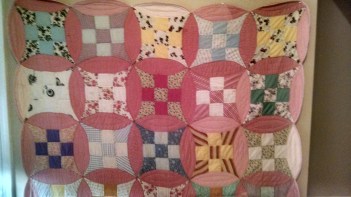 When I was a young girl, my paternal great grandmother made me this quilt. When I was at her house, I noticed her sewing in the evening while watching television. It was done completely by hand. It never occurred to me that she was sewing it for me.
 It started with cutting out 680 pieces. Sigh. That took a couple weeks. Then, fortunately, I had house guests, so I put it all in a box and ignored it for a couple weeks.
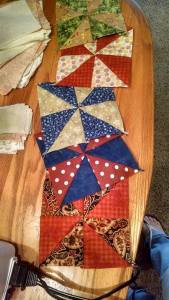 When I pulled it back out, I began making pinwheels for the center of the blocks. Twenty pinwheels seemed daunting, but using a sewing machine, (not sewing by hand, you silly rabbit!) the pieces came together fairly quickly, but still….there was twenty of them.
 Now, I had to cut these square pinwheels and turn them into octagons. Not owning a special ruler or being able to find one at JoAnn Fabrics, I spent hours figuring out how to do this. After I had a total meltdown, my husband quietly worked on the computer constructing a template for me. In the meantime, I found a
 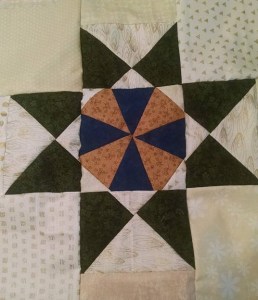 Next, I started working on the star points. They were time consuming, but they came together easily. The octagon/square was placed in the middle of the star points. Notice in this photo, the octagon still looks like a cross, and the completed square has two star points pointing up. Well, that’s also an illusion and won’t look like that for long.
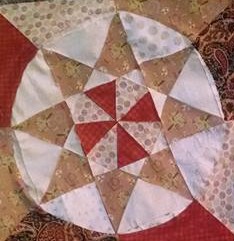 Since the octagon and the star points shifted with adding the frame, you can see in the finished square that the cross is gone and the star only has one point sticking up. This whole quilt is one big illusion.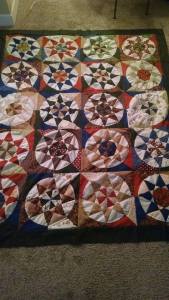
 Lori Crane